Russia threatens retaliation over Western seizures of shadow fleet vessels
Foreign Minister Sergei Lavrov accused European countries of piracy as Russia warned of retaliation over the detention of vessels carrying Russian oil.
By Larissa Bell ·
Russia has threatened retaliatory action against Western countries over the detention of vessels belonging to its so-called shadow fleet, according to The Moscow Times, an independent news outlet based in Amsterdam. Russian Foreign Minister Sergei Lavrov accused European states of piracy and said Moscow would respond to what he described as a policy of pressure and dictation.
Lavrov claimed the European Union was becoming a military alliance and accused it of seizing foreign ships and stealing their cargoes. He also challenged the terminology used to describe the vessels, saying that the term shadow fleet did not exist in international law. He criticised the oil price cap for restricting European companies from working with Russia's fleet and promised a "mirror and asymmetric response".
Western countries stepped up detentions of ships transporting Russian oil at the start of 2026, The Moscow Times reported. France, Sweden and the United Kingdom are among the countries involved. The interceptions have taken place across several maritime regions, including the Baltic Sea, the Mediterranean Sea and the Indian Ocean.
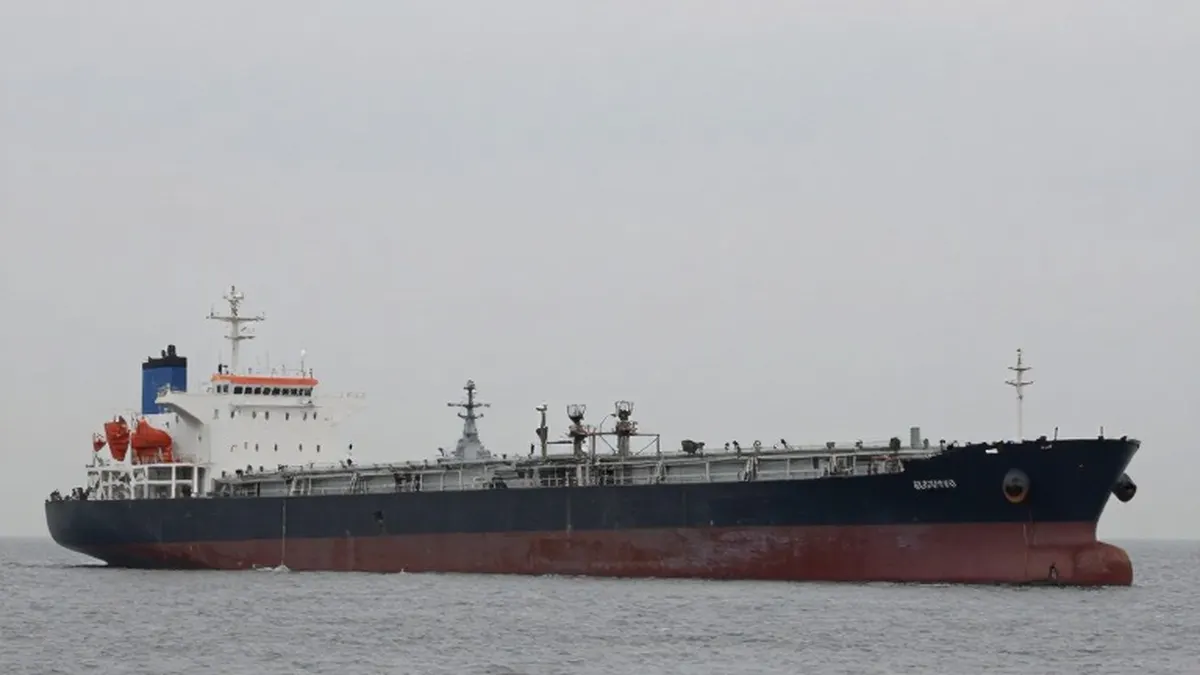
One case involved the DF Peak, a sanctioned shadow fleet tanker detained by the French Navy in the Indian Ocean. The vessel, sailing under the flag of Benin, was travelling to a port in Chile. Its detention made it the sixth tanker associated with the shadow fleet to be detained by France over the preceding year.
The DF Peak had belonged to Russian shipping company Sovcomflot and had undergone two name changes. A company from Hong Kong operates the tanker. Russia's embassy in France condemned the detention as piracy and called it a "gross violation of international law".
The dispute comes alongside other developments involving Russia's maritime activities. Ukraine's Defence Intelligence previously collected information about 28 shadow fleet vessels and released their captains' names. Earlier reporting also said Russia had expanded its shadow fleet of gas carriers to 25 vessels, adding second-hand ships and the first domestically produced tankers.
Russian and Iranian shadow fleets have also continued using forged websites to produce fake documents and imitate ship registries, maritime administrations and African state seafarer organisations to bypass sanctions during oil exports. Separately, the EU authorised military personnel serving in the Mediterranean under Operation IRINI, which seeks to prevent illicit arms supplies to Libya, to inspect tankers suspected of carrying Russian oil.
In another maritime case, a Swedish court upheld the arrest of the cargo vessel Caffa in the Baltic Sea. The court also permitted the ship's transfer to Ukraine as part of an investigation into the removal of grain from territories occupied by Russia.