Lithuania to hold Russian and Belarusian grain shipments pending origin checks
New regulations at the port of Klaipėda will delay grain exports by potentially months while authorities verify that shipments are not from occupied Ukrainian territories.
By Hiroshi Ferrari ·
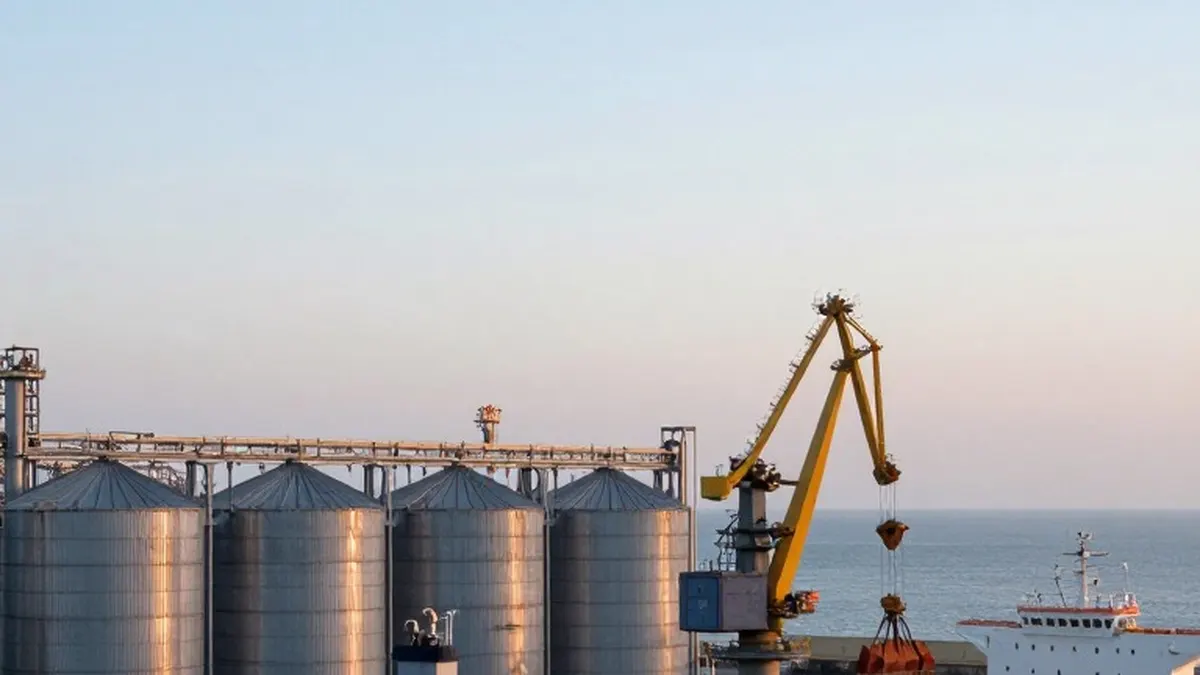
Lithuania is set to implement stricter controls on grain originating from Russia and Belarus that passes through its territory. Starting next week, shipments of wheat, barley, sunflower seeds, and maize leaving via the port of Klaipėda will be required to wait for customs clearance until specific origin tests are completed. A representative from Lithuania's Ministry of Agriculture indicated that this procedure could result in delays of several months for exporters.
The Baltic state began inspecting these grain shipments in September. The move was driven by suspicions that a portion of the grain was actually harvested in Ukrainian territories currently occupied by Moscow. To address this concern, Lithuania is now enforcing a policy where goods cannot proceed through the port without verified proof of their origin.
According to the ministry representative, the testing process is complex because Lithuania does not currently possess a domestic laboratory capable of conducting the necessary analyses. Consequently, samples must be sent abroad for examination. The official noted that these tests can take two months or more to finalize. If the results reveal that the declared origin was fraudulent, the shipment will either have to be returned to the sender or destroyed.
Financial responsibility for these new measures falls entirely on the exporters. They will bear all costs associated with storing the grain while it waits for results, as well as the expenses involved in testing, returning, or destroying the cargo. This adds a significant financial burden to the trade process, particularly given the extended timelines involved.
This tightening of rules comes against the backdrop of ongoing European Union sanctions. While the bloc prohibits the direct import of Russian grain, the transit of such goods through EU territory remains legally permitted. However, the Baltic states are increasingly seeking to halt or restrict this transit. This effort is partly a response to Moscow's increased reliance on Baltic export routes, a shift necessitated by Ukrainian attacks on vessels and infrastructure at Black Sea ports.
The change in logistics has already impacted global markets. Matt Ammermann, a commodity risk manager at StoneX, stated that Russian wheat exports are currently running at approximately half their usual volume. This decline persists despite Russian efforts to find alternative export channels to bypass disruptions in the Black Sea region.
Moscow has not yet commented on the legal status of grain harvested in territories that are internationally recognized as Ukrainian. The silence leaves ambiguity regarding how such products should be classified under international trade laws and EU regulations.
The situation has prompted other neighboring countries to consider similar actions. Latvia and Lithuania were previously considering halting the handling of Russian grain at their ports. This consideration was driven by the increased transit of grain through the two countries, which coincided with Ukrainian drone attacks on Russian ports in the Baltic Sea.
Estonia has already taken a more definitive step by introducing a ban on the transit of Russian and Belarusian grain through its territory. This move was a direct response to Russia's blockade of grain exports from Ukraine. The Baltic region is thus becoming a focal point for enforcing trade rules and monitoring the flow of agricultural goods from the east.
In related developments, the Security Service of Ukraine uncovered a scheme to legalize Ukrainian grain worth over UAH 60 million, or about US$1.4 million. The grain had been illegally exported from the temporarily occupied city of Mariupol. The heads of an Odesa-based company who assisted in selling the stolen grain have been detained, highlighting the complex challenges of verifying grain origins in the current conflict environment.