India seeks to mediate Black Sea food corridors as peace talks resume
India has offered to mediate food corridors in the Black Sea as Russia and Ukraine resume peace talks in Abu Dhabi, a move driven by economic interests and a desire for greater diplomatic influence.
By Hiroshi Ferrari ·
Ukrainian President Volodymyr Zelenskyy announced on Monday that India is prepared to help broker food corridors through the Black Sea. This statement followed a telephone conversation with Indian Prime Minister Narendra Modi. The news emerged just before the start of United States mediated talks in Abu Dhabi, where Russian and Ukrainian delegations are set to meet after a nine month pause in negotiations.
The proposal builds on discussions that Indian officials have conducted with both Kyiv and Moscow over recent weeks. External Affairs Minister Subrahmanyam Jaishankar spoke with Russian Foreign Minister Sergey Lavrov on the same day, focusing on the ongoing war and diplomatic initiatives. Analysts note that India has become more proactive in its diplomatic efforts, moving beyond rhetorical calls for dialogue to specific mediation proposals.
New Delhi has not released a formal plan, but previous statements suggest a focus on pausing strikes against shipping and energy infrastructure. In September, Jaishankar visited Kyiv and discussed non-attack possibilities. By early October, Ukraine received ceasefire proposals from India, Turkiye, Egypt, and the US. Ukrainian Foreign Minister Andrii Sybiha described the Indian proposal as the broadest because it covers both Black Sea shipping and energy infrastructure, unlike the US plan which focuses only on energy facilities.
India has direct economic stakes in resolving the conflict. The country is the world's largest importer of vegetable oils and relies heavily on Russia and Ukraine for sunflower oil. Recent attacks on commercial vessels have disrupted trade, with five Indian nationals killed and two missing in the Black Sea as of November 3. Sunflower oil imports fell to a four year low in September, and significant cargo volumes were delayed or cancelled due to port damage.
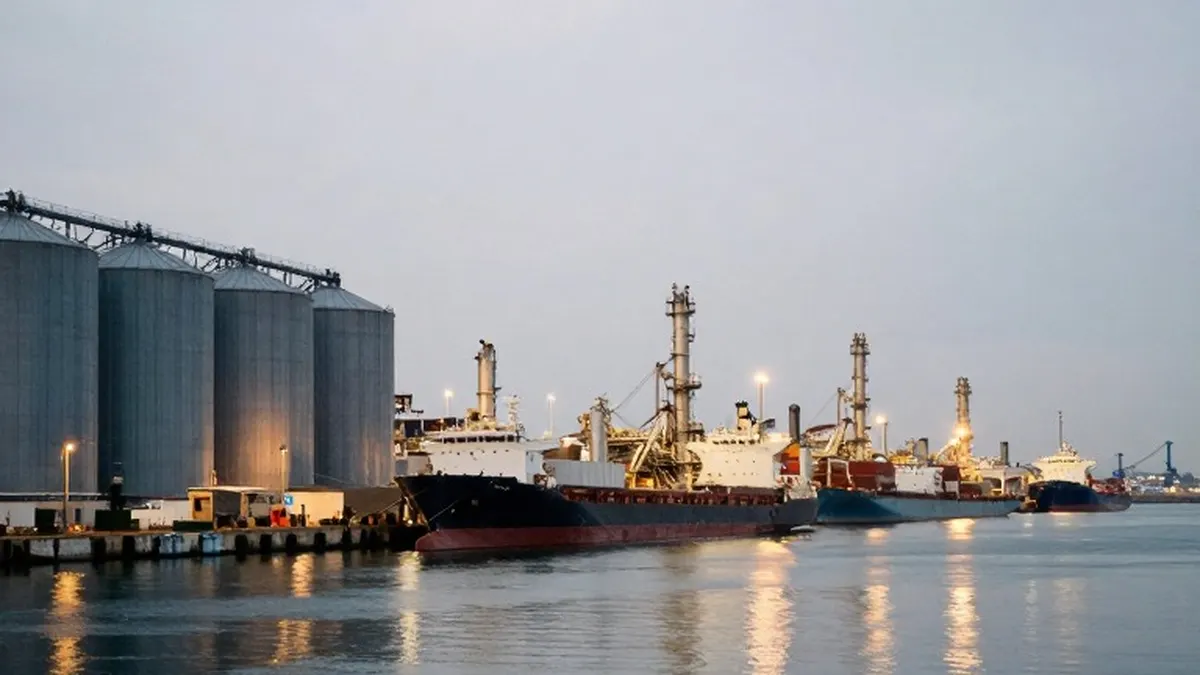
The disruption in the Black Sea has global implications. Before the 2022 invasion, a third of the world's grain exports passed through the region. This year, the conflict has evolved into a two way port war, with Russia striking Ukrainian Odesa ports and Ukraine targeting Russian grain terminals. Ukraine's Ministry of Agriculture cut its export forecast for the 2026-27 season by more than half. By mid-August, over 97 percent of grain export capacity in the region had been shut down due to attacks on shipping.
India's credibility as a broker stems from its strategic autonomy and working relationships with both Moscow and Kyiv. New Delhi has taken an even handed approach, summoning representatives from both countries to address incidents involving Indian citizens and crew members. Additionally, India is a major customer for both sides, importing significant volumes of sunflower oil and crude from Russia and Ukraine. This commercial leverage gives India a unique position in the diplomatic landscape.
However, challenges remain. India has not publicly confirmed the specific offer to mediate food corridors, leading to questions about the depth of its commitment. Ukraine has also raised doubts about India's neutrality due to its continued purchase of Russian oil. Furthermore, India lacks a physical foothold in the region, meaning it would need to rely on partners for ships, insurance, and inspection capabilities. The previous UN and Turkiye brokered grain initiative relied heavily on Turkiye's control of the Bosphorus strait.
The diplomatic field is crowded, with Turkiye, Egypt, and the US also presenting proposals. The Kremlin has described the Abu Dhabi talks as trilateral, with Washington as the sole mediator. A new corridor would require both sides to halt attacks, a significant shift from the 2022 agreement. Russia previously withdrew from that deal in 2023, and shipping conditions have only improved recently due to Ukrainian naval drone operations pushing Russian fleets away.
Negotiations in Abu Dhabi are expected to focus on difficult issues such as territory, which analysts describe as hard to compromise on. With high casualty numbers, Moscow faces domestic pressure, while both sides use the talks to influence the positioning of other nations. For India, successful mediation could enhance its geopolitical heft and global prestige, potentially countering recent criticism regarding its role in the war economy.