Zelenskyy: India prepared to mediate Black Sea grain corridors
Ukrainian President Volodymyr Zelenskyy announced that India is ready to act as a mediator in establishing food corridors to help unblock Ukrainian grain exports from the Black Sea.
By Hassan Ellis ·
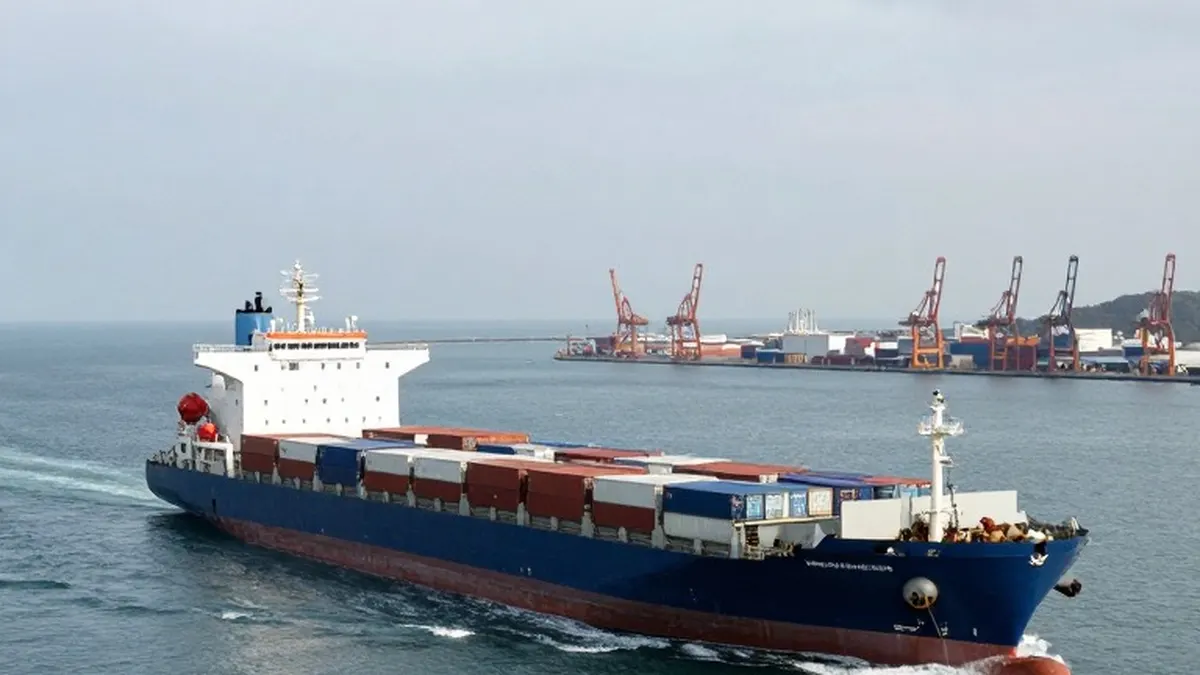
Ukrainian President Volodymyr Zelenskyy announced on Sunday that India is prepared to serve as a mediator in the establishment of food corridors. This diplomatic move aims to help unblock the flow of Ukrainian grain exports that have been hindered in the Black Sea region. The announcement follows a recent conversation between Zelenskyy and Indian Prime Minister Narendra Modi.
During their discussion, Zelenskyy briefed the Indian leader on the latest diplomatic developments surrounding the conflict. He stated that both nations are actively preparing for an upcoming meeting in Abu Dhabi. The Ukrainian president emphasized that Ukraine has maintained a constructive approach to negotiations and expects Russia to demonstrate a similar willingness to de-escalate the situation.
Zelenskyy highlighted the importance of India identifying specific steps it can take to support peace efforts. He noted that India could engage in dialogue with other world leaders to help bring the war to a conclusion. In this context, the president identified food security as a critical area where international cooperation could yield significant results.
The leaders specifically addressed the issue of Russia blocking grain exports via the Black Sea. Zelenskyy confirmed that India is ready to mediate the creation of food corridors and expressed confidence that these efforts would continue. He stressed that it is vital for Russia to understand the global impact of its actions, noting that the world economy and hundreds of millions of people are suffering due to blocked maritime routes.
Following their talks, the two leaders agreed that their respective teams would maintain close contact on these matters as well as other bilateral issues. This commitment to ongoing communication underscores the growing role of India in the diplomatic landscape of the conflict.
In the background of these developments, Türkiye and the United Nations are arranging new talks between Russia and Ukraine. The objective of these discussions is to negotiate a Black Sea ceasefire. These efforts aim to consolidate scattered initiatives to protect grain shipments while global food prices continue to rise.
According to Taras Vysotskyi, the Minister of Agrarian Policy and Food in Ukraine, the current blockade of Black Sea ports by Russia has severely impacted agricultural exports. He reported that Ukraine is currently exporting less than 50 percent of its potential grain volumes. This significant reduction highlights the urgency of finding a diplomatic solution to restore normal trade flows.
The involvement of India in mediating food corridors represents a new dimension in the international response to the crisis. By leveraging its global standing, India may help facilitate agreements that ensure the steady movement of essential food supplies to markets around the world.
Zelenskyy’s announcement reflects a broader strategy to engage additional international partners in the diplomatic process. The focus on food security serves as a tangible issue where progress can be measured by the volume of grain reaching global markets.
As preparations for the Abu Dhabi meeting continue, the cooperation between Ukraine and India signals a potential shift in how the international community approaches the blockade of the Black Sea. The success of these mediation efforts could have far-reaching implications for global food stability.
This development marks a significant step in the diplomatic efforts to resolve the ongoing challenges facing Ukrainian agriculture and the global food supply chain. The continued engagement of multiple nations in these talks offers hope for a sustainable resolution.