US reportedly relocates tankers from British base over Iranian threat
The reported aircraft transfers from RAF Mildenhall came as President Donald Trump described the Iran war as effectively over militarily and cited progress toward peace.
By Larissa Bell ·
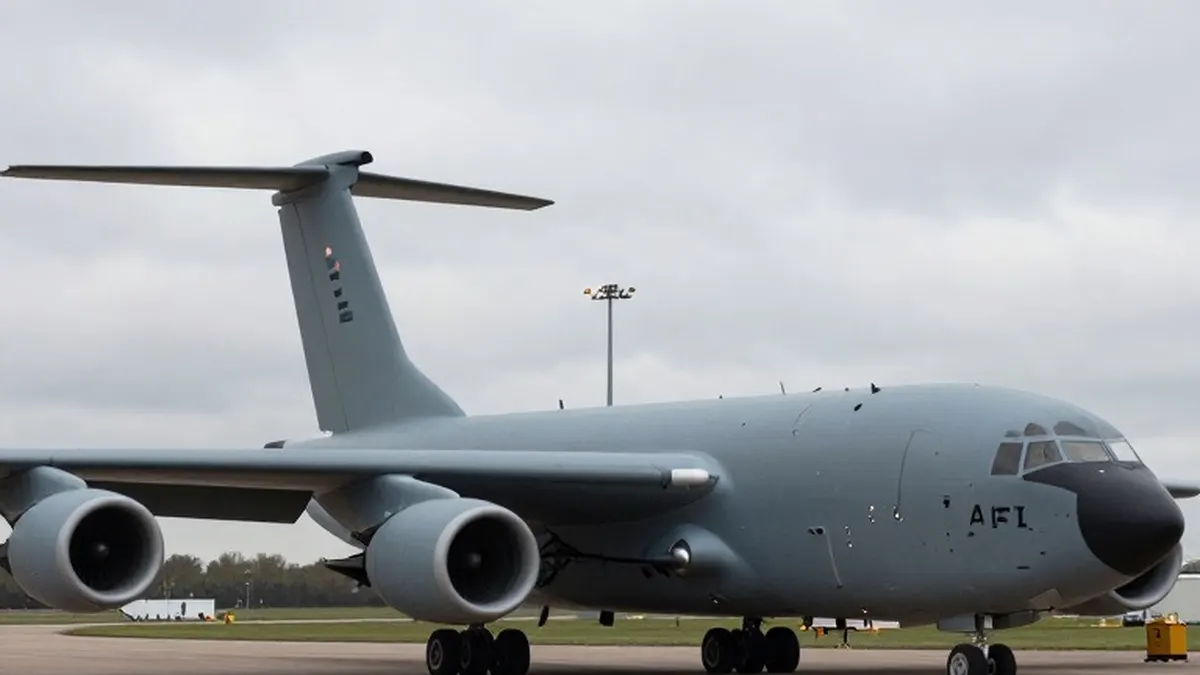
The United States moved refueling aircraft from RAF Mildenhall in Britain on Monday in response to a threat from Iran, The Wall Street Journal reported, citing flight records and people familiar with the situation. The transfers followed the withdrawal of American bombers from another British base last month.
Two tankers flew from Mildenhall to Germany on Monday morning, with additional aircraft relocating to Germany and other destinations later in the day, the Journal said. The nature of the threat remained unspecified, and US officials were discussing whether it was general or directed more specifically at the base.
The US Air Force declined to explain individual aircraft movements, telling the Journal that assets are relocated for various reasons. The White House directed questions to the Pentagon. A British defense ministry spokesperson said the ministry generally does not discuss other countries’ activities and that aircraft and equipment regularly move to meet operational needs.
In October, the US Air Force withdrew bombers from RAF Fairford after an investigation into an alleged terrorist plot targeting that base, which had supported operations against Iran. British officials have attributed arson and other attacks in Britain and elsewhere to proxies linked to Tehran. Many targeted Jewish communities, and officials have warned that continued Middle East conflicts could prompt Iran to broaden its British targets.
The reported Mildenhall transfers coincided with President Donald Trump’s assertion that the war was effectively finished militarily. Following a Monday meeting with Qatari Prime Minister Mohammed bin Abdulrahman Al Thani, Trump said Qatari-mediated negotiations were advancing and another US offensive appeared unlikely. He said Qatar, Saudi Arabia, the United Arab Emirates, Bahrain, Kuwait and others preferred maintaining the current situation, including American efforts to disrupt Iranian commerce at sea and on land.
Speaking at the White House, Trump nevertheless suggested Iran remained a danger to US allies. He said American involvement was intended to secure a lasting outcome and repeated his assertion that Iran would never obtain a nuclear weapon. When challenged about his repeated predictions that the conflict would soon end, he again emphasized that nuclear claim.
Meanwhile, the Financial Times cited a source briefed on discussions who said Israeli Prime Minister Benjamin Netanyahu was calling Trump daily to encourage renewed fighting. Regional leaders were urging negotiations and opposing escalation, that source said. A separate source familiar with the situation in Israel said Netanyahu favored restarting military action but disputed that he was pushing Trump to agree.
Iranian security chief Mohsen Rezaei rejected Trump’s account of diplomatic progress on X and demanded acceptance of seven Iranian conditions announced in August. They include guarantees against further threats, compensation, access to frozen assets, sanctions relief, an end to the US naval blockade, regional troop withdrawals and a permanent end to war against Iran and its allies.
Israel and the United States began the war on February 28, seeking to destabilize Iran’s leadership and destroy its nuclear and ballistic missile programs. Iran retaliated with regional missile and drone attacks and blocked the Strait of Hormuz, disrupting roughly one-fifth of global oil shipments. An April truce was followed by a US blockade of Iran-linked shipping and intermittent clashes over the strait.
The conflict and rising energy costs contributed to voters’ punishment of Trump’s Republicans in last week’s midterm elections, as Trump and Vice President JD Vance have publicly acknowledged.