Twelve Nations Test Ukraine Deployment
Nearly 3,000 troops from twelve European countries begin a two-week exercise in Poland to rehearse logistics for a potential post-war security force.
By Larissa Bell ·
European defense planners are moving beyond theoretical frameworks to test the operational mechanics of a proposed security force for Ukraine. The initiative aims to establish a multinational military presence on the ground should a peace agreement end the current conflict.
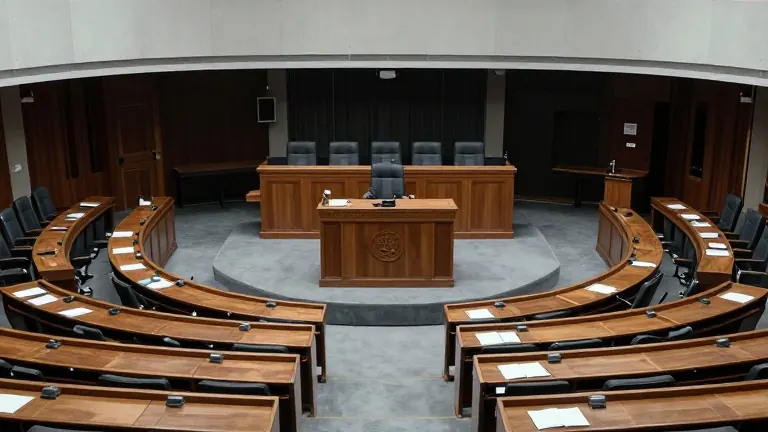
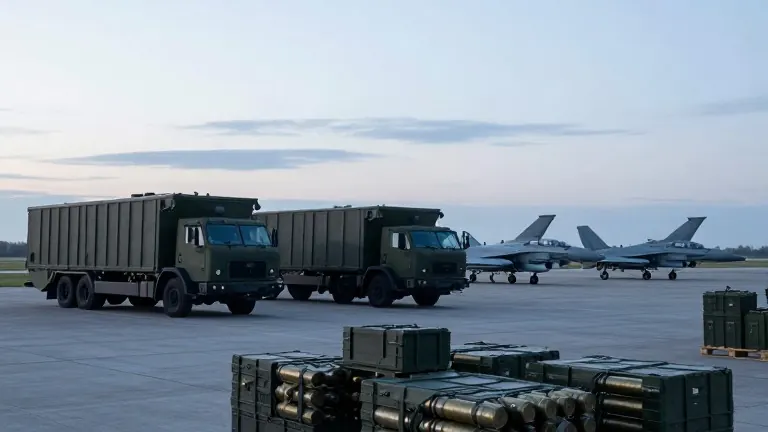
This month, nearly 3,000 personnel from twelve European nations will gather in Poland for a joint rehearsal. The exercise, designated Exercise Koalicja, runs from November 9 to November 22. It serves as a practical assessment of how these forces would move, protect, and supply themselves within Ukrainian territory.
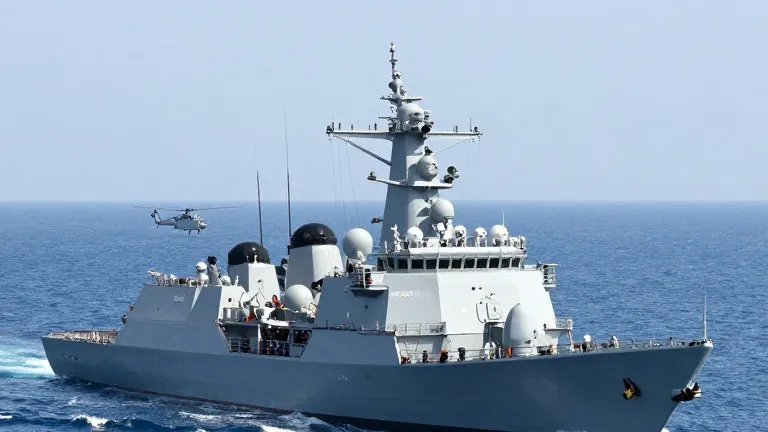
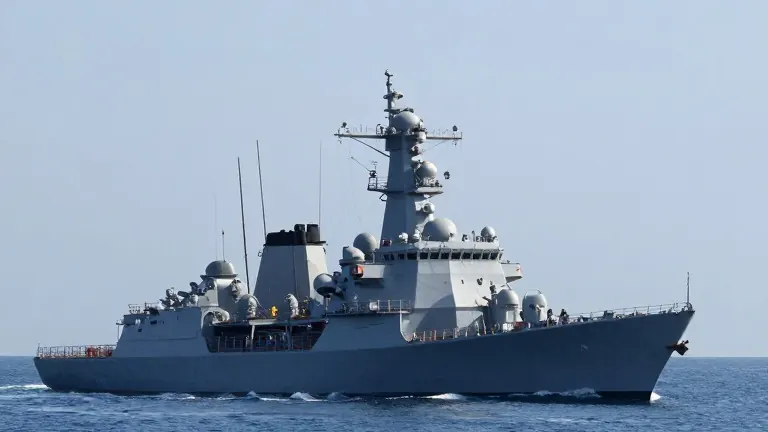
The participating countries include the United Kingdom, France, Belgium, Estonia, Germany, Lithuania, the Netherlands, Poland, Spain, Sweden, and Turkey. The UK contingent consists of 300 troops and two Royal Air Force Typhoons. Turkey has agreed to lead the maritime component of the mission.
Western officials describe the planned force as a reassurance mission rather than a combat unit. They specify that troops would not conduct offensive operations, monitor ceasefires, or operate under NATO command. Their primary role would be to bolster Ukraine's security and assist in rebuilding its armed forces.
The United States is involved in the planning discussions but will not contribute personnel to this specific mission. Russia has expressed strong opposition to foreign troops in Ukraine. Last year, President Vladimir Putin stated that such forces would become legitimate targets.
UK Defence Secretary Wes Streeting stated that the exercise demonstrates preparation for the end of the fighting. He described the force as real and ready to assist Ukraine once hostilities cease. He said, "This is not a hypothetical plan, it's a real force, ready to help Ukraine once the fighting stops."
Lt Gen Tom Bateman, the UK commander of the Multi National Force Ukraine, emphasized that the drill translates political commitments into military readiness. He noted that the force represents a serious commitment from the Coalition of the Willing nations to Ukraine's long-term stability.
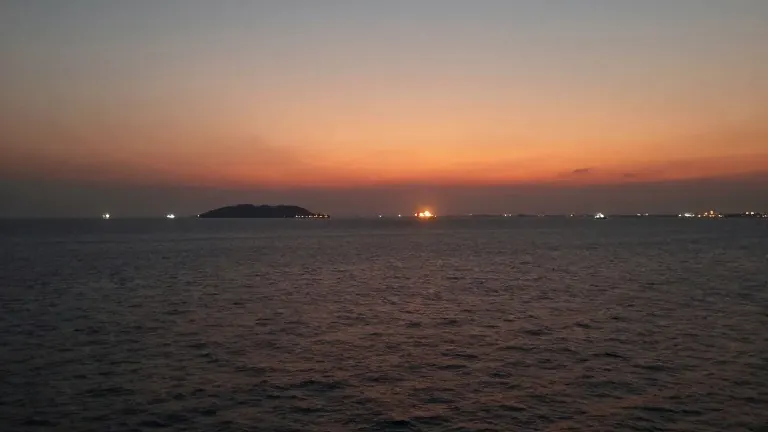
The exercise will also test command and control structures to ensure troops from different nations can function together effectively. Fighter jets will simulate procedures for reassuring commercial aircraft once Ukrainian airspace reopens. The maritime goal is to clear mines and resume Black Sea trade.
Western officials have declined to define specific rules of engagement for the force. They indicated only that the troops would be able to defend themselves if attacked. The final shape of the deployed force remains undecided, dependent on the circumstances of any cessation of hostilities.
Military experts have previously suggested that tens of thousands of troops might be required to guarantee Ukraine's security. Officials acknowledge that national contributions will vary based on political decisions. It remains unclear what specific training role Western forces would play for Ukraine's battle-hardened soldiers, who are currently assisting in the training of NATO forces.