Spain’s housing crisis drives first general strike in 14 years
Millions of workers joined a nationwide walkout over housing costs as Spain approaches a November 29 election that could bring the far right to power.
By Hiroshi Ferrari ·
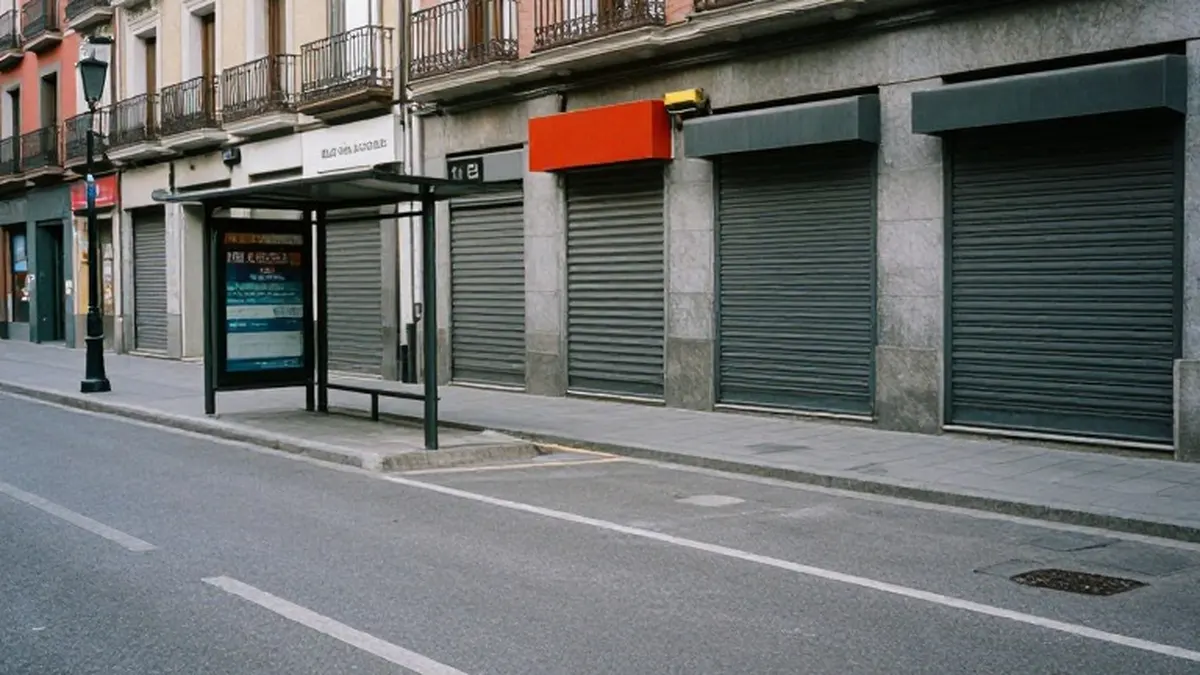
Spain’s first general strike in 14 years began on Wednesday, with millions of workers demanding government action to address the country’s housing crisis. The 24-hour stoppage comes less than three weeks before a national election that could bring the far right to power, placing housing at the centre of the political confrontation.
The walkout started at midnight and disrupted public transport across the eurozone’s fourth-largest economy. Businesses, factories and shops reduced their operations or shut altogether. Early incidents included roadblocks involving burning tyres in Barcelona, Spain’s second-largest city, and scuffles between police and picketers near the country’s main wholesale market outside Madrid.
UGT and CCOO, the two main unions organising the strike, said participation was widespread during its opening hours. In a statement shared on social media, they reported substantial stoppages in strategic industries, putting participation in the automotive and port sectors at 90 percent.
Average rents in Spain have nearly doubled in a decade, squeezing household finances and fuelling voter anger. A wave of mass demonstrations followed the forced eviction in September of Maricarmen Abascal, an 87-year-old Madrid resident who died several days later. Housing activists used the public outcry surrounding her eviction to mobilise support for a general strike.
Socialist Prime Minister Pedro Sanchez called the November 29 snap election after his minority government could not win parliamentary backing for housing measures put forward in response to the protests. In an interview published by La Vanguardia on Sunday, Sanchez described the strike as a demand for a shared response from every level of government to difficulties accessing housing, rather than an action directed against anyone.
Business groups rejected the stoppage, characterising it as an election-related protest. The conservative Popular Party, known as the PP, and far-right Vox also criticised it. PP leader Alberto Nunez Feijoo warned that proceeding before the election could permanently associate the unions with Sanchez. His party is ahead in opinion polls.
Feijoo also called the decision to strike a “serious mistake” following last month’s high-speed train collision in central Spain, which killed 69 people. His criticism came as the cost of renting continued to illustrate the financial pressures behind the housing protests.
Spain’s average gross monthly pay is roughly 2,460 euros. According to property portal Idealista, the average monthly rent for a 50-square-metre Madrid apartment reached 1,170 euros in October, nearly half that salary. The Youth Council of Spain puts that rental cost at 98.7 percent of an average young person’s income, far above the 30 percent threshold commonly recommended by housing specialists and public institutions.