Bank of England risks prolonged high interest rates, thinktank warns
The National Institute of Economic and Social Research says a cautious response to inflation could keep price growth above target until at least 2030.
By Hiroshi Ferrari ·
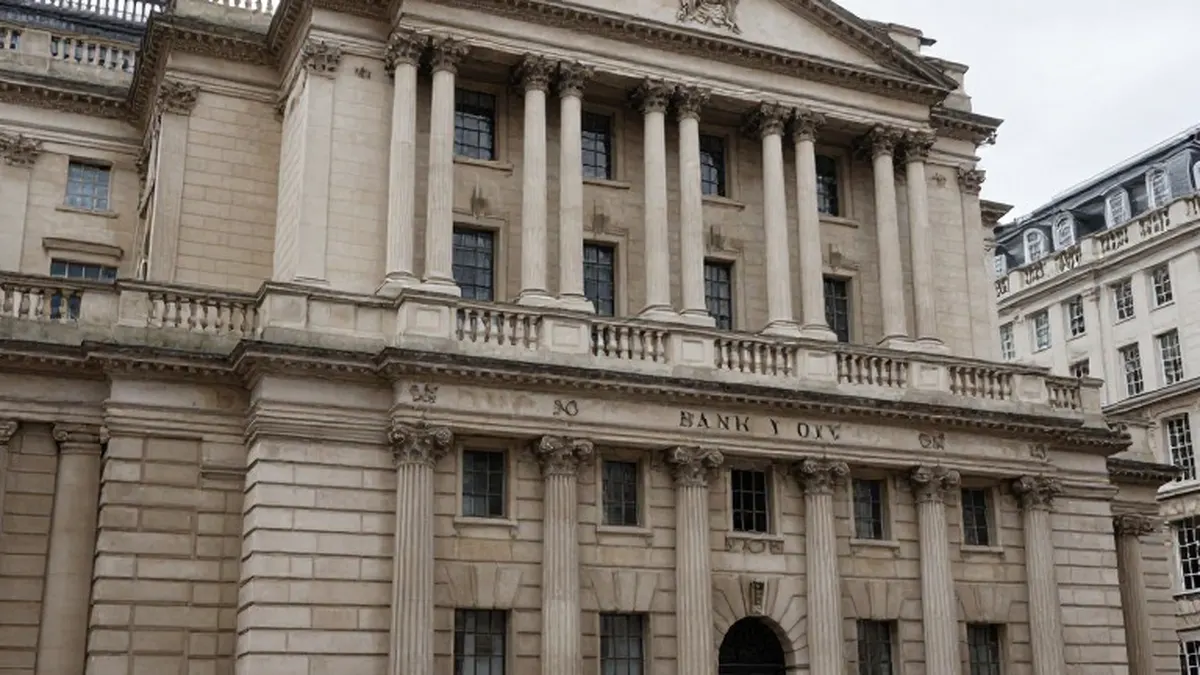
The Bank of England could leave Britain facing higher interest rates for longer by moving too cautiously against inflation, the National Institute of Economic and Social Research has warned. The thinktank criticised last week’s rate increase, saying the approach was likely to keep inflation above the Bank’s 2% target until at least 2030.
The Bank’s monetary policy committee raised borrowing costs from 3.75% to 4% and signalled that another increase could follow as it confronts inflationary pressures stemming from the Iran war. But Niesr director David Aikman said stronger action was needed to prevent rising prices from becoming a more lasting feature of the economy.
Aikman warned that inflation was expected to exceed 4% early next year, coinciding with negotiations over most pay awards for 2027. That timing could encourage workers to seek salary increases linked to inflation, increasing the risk of persistent price pressures. He said another quarter-point rate increase was unlikely to suffice and that delaying action would ultimately require the committee to do more.
UK inflation is currently 3.5%, with higher fuel costs pushing it further above the Bank’s target. Oil and gas prices have climbed sharply since the US and Israel began their war on Iran at the end of February. Brent crude has frequently traded above $100 a barrel in recent weeks, compared with roughly $70 before the conflict.
On Tuesday, Brent briefly fell below $90 a barrel, its lowest level since 31 August, after Donald Trump played down the need for military action against Iran at that point. Investor optimism subsequently faded as US inflation rose by 0.4 percentage points between September and October, showing continued pressure from energy costs. The S&P 500 was down 0.9% by early afternoon trading on Wall Street.
Niesr based its UK and global growth forecasts on oil costing $105 a barrel. It warned that shipping and refining problems would slow the fall in consumer prices despite the recent decline in crude. Institute economist Stephen Millard also said cheaper oil depended on Trump maintaining his new policy. Niesr forecasts UK growth of 1.6% this year, slowing to 0.9% in 2028 as inflation, borrowing costs and tight public spending undermine household and business confidence.
The institute also criticised chancellor John Healey for postponing difficult choices in last month’s budget. It said repeating next year the pattern of deferrals seen over the past decade would leave a £30bn gap in government finances. Aikman warned that markets would increase the cost of lending to Britain if spending in areas including defence appeared set to surge without offsetting savings.
Aikman said higher energy prices and rising global borrowing costs were creating simultaneous pressures that policymakers were failing to address. Although those pressures originated internationally, he argued that the response remained a domestic responsibility, with decisions being postponed on both monetary and fiscal policy.