Chinese military-linked university acquires Nvidia H200 chips despite US blacklist
Procurement records reveal that a Chinese defense-linked university purchased Nvidia H200 AI chips despite being on the US Entity List, adding to scrutiny of the company’s CEO.
By Larissa Bell ·
Northwestern Polytechnical University, a prestigious institution in China with strong ties to the military, purchased two of Nvidia’s high-performance H200 AI processors last month. The acquisition occurred even though the university is listed on the United States export blacklist, raising questions about enforcement of trade restrictions.
According to procurement records dated October 21, the university bought the chips for a total of 874,700 yuan, which is approximately 123,000 US dollars. The transaction was handled by Shaanxi Bosuan Network Technology, a domestic supplier, rather than through a direct purchase from Nvidia. These records were reviewed by the Reuters news agency.
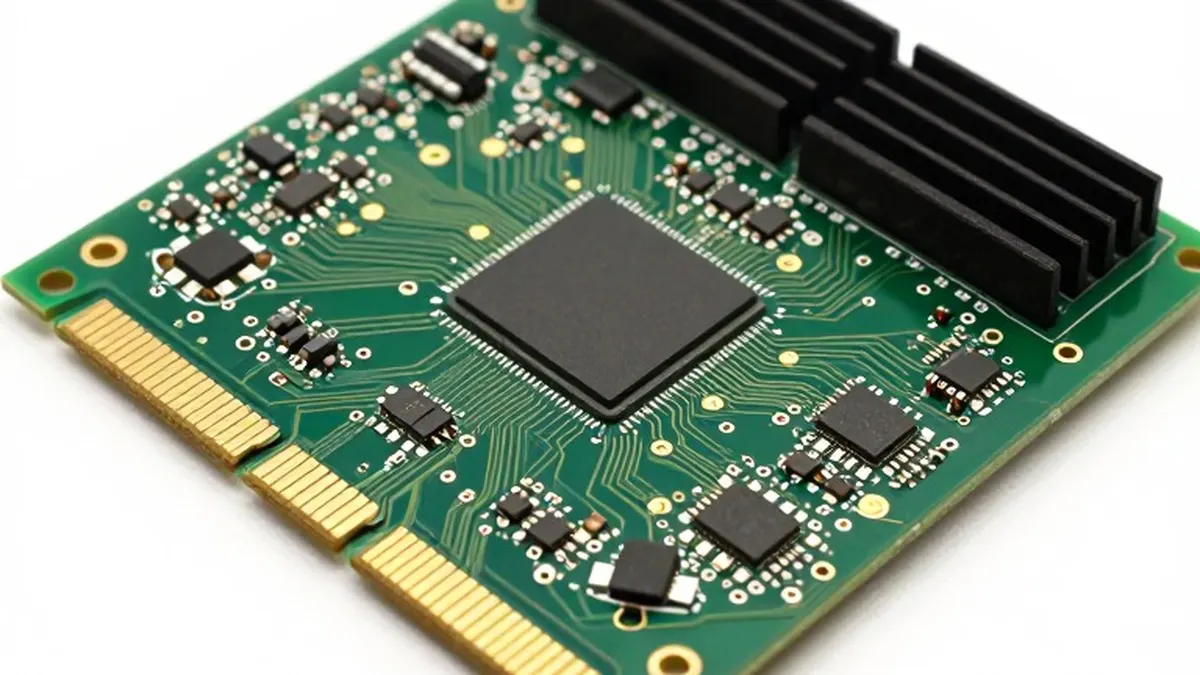
The H200 chip is one of Nvidia’s most advanced products, designed specifically for training and running complex artificial intelligence systems. Under current US regulations, exports of these chips require a license, which is typically denied to institutions on the Entity List, such as Northwestern Polytechnical University.
The university, located in the northwestern city of Xi’an, is part of the “Seven Sons of National Defense,” a group of elite universities focused on defense research. Washington’s Department of Commerce added the institution to its trade blacklist in 2001 due to its alleged role in missile proliferation. Restrictions were further tightened in 2019, establishing a policy of denial for most export licenses.
This is not the first time the university has accessed Nvidia technology this year. Procurement data indicates that Northwestern Polytechnical also secured access to H200 chips and other powerful processors through five separate contracts for rented computing capacity from Chinese firms. These findings suggest that Chinese institutions with military links are still obtaining US AI computing power, either by buying chips outright or by renting servers that contain them.
A broader review of 26 Chinese procurement and corporate records from this year by Reuters found similar patterns. Several universities and research institutions with close ties to China’s defense industry were found purchasing US-restricted Nvidia chips or renting access to Nvidia-powered services via domestic suppliers.
The situation unfolds against a backdrop of increasing scrutiny in Washington regarding Nvidia and its CEO, Jensen Huang. Huang has argued that maintaining sales to China helps preserve US technological leadership by keeping Chinese customers dependent on Nvidia’s hardware. However, some US lawmakers contend that access to these advanced chips accelerates China’s development of AI for weapons design and military modernization.
Pressure on Huang has intensified recently following reports that he was targeted by a Chinese spying operation. Republican Senator Kevin Cramer called for Huang to step down as CEO, citing the potential for extortion given the sensitivity of the company’s technology. Cramer stated that the risk is significant enough to warrant leadership change.
Three Republican congressional committee chairmen have requested a briefing with Huang on November 18 to discuss his reported contacts with an alleged Chinese intelligence operative. The incident involves Alice Huang, a former executive at a Singapore-based data center company, who has been accused of working for Chinese intelligence.
Jensen Huang, who co-founded Nvidia more than three decades ago, admitted on Sunday that he had been unfaithful to his wife. The company maintains that there is no reason to believe US national security or confidential information has been compromised. Nvidia’s board announced an independent investigation on Sunday to determine if the 63-year-old dual national was targeted by a foreign intelligence operation.