Slovak PM Robert Fico accuses Germany of blackmail over EU budget and Ukraine funding
Slovakia's leader claims Germany is using its veto power to force member states to agree on financing Ukraine's massive 2027 funding gap.
By Hassan Ellis ·
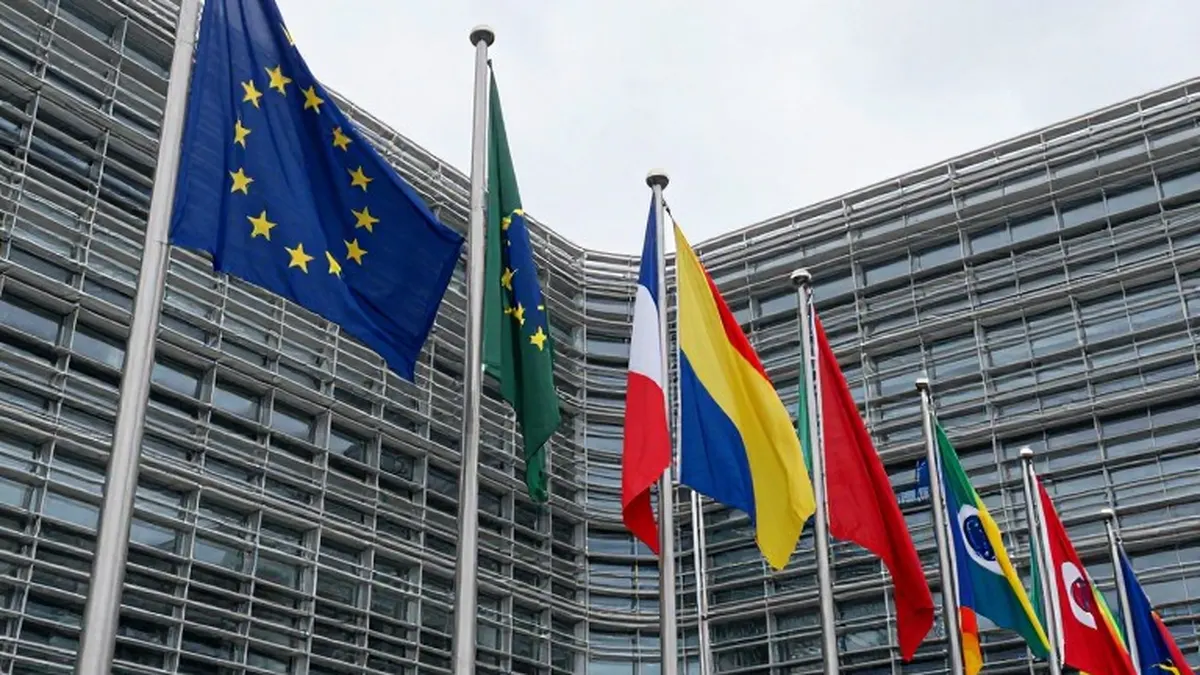
Slovak Prime Minister Robert Fico has launched a sharp criticism against German Chancellor Friedrich Merz, accusing the German leader of engaging in blackmail tactics. This dispute centers on Berlin's demand that negotiations regarding the European Union's upcoming seven-year budget be linked to a collective commitment by all member states to financially support Ukraine.
Merz recently outlined Germany's position in a letter addressed to European Council President António Costa, a document that several media outlets had already reviewed. In this correspondence, the German Chancellor made his support for the EU's 2028 to 2034 budget conditional. Specifically, he required that all member states agree to contribute to the funding needs of Ukraine, which is currently facing a significant financial shortfall.
The core of the financial issue involves a gap of 70 billion euros in Ukraine's budget for the year 2027. Fico responded to this development on November 10, asserting that the smaller nations must push back against what he perceives as an unfair pressure tactic. He emphasized the equal standing of his country in the decision-making process, stating that Slovakia holds the same veto power as the German federal chancellor.
The context for this disagreement dates back to December of last year, when EU leaders agreed to provide Ukraine with a loan totaling 90 billion euros. However, due to the scale of the ongoing Russian aggression, Kyiv has indicated that it requires an additional 70 billion euros in funding for next year. This growing funding gap has been acknowledged by Ukraine's allies within the European Union.
To address this need, the EU has promised to cover two-thirds of the required amount, which amounts to approximately 45 billion euros. The European Commission is currently exploring various options to fulfill this pledge. One specific possibility under consideration is the issuance of additional joint debt obligations. Brussels is hopeful that EU leaders can reach a consensus on this deal by the end of the current year.
Despite the broader agreement, four EU countries have signaled their reluctance to contribute to further financial assistance for Kyiv. These nations are Hungary, Slovakia, Bulgaria, and Czechia. Last year, Hungary, Slovakia, and Czechia successfully obtained an exemption from contributing to the interest payments on the previously agreed 90 billion euro loan, setting a precedent for their current stance.
The European Council also addressed this issue at a leaders' summit held on October 15 and 16. During this meeting, the council instructed the European Commission to prepare specific proposals for covering the 70 billion euro shortfall in Ukraine's 2027 budget. This directive highlights the urgency with which Brussels is approaching the matter.
The current standoff between Fico and Merz illustrates the ongoing tensions within the EU regarding the distribution of financial burdens. While Germany seeks to tie future budget approvals to immediate support for Ukraine, Slovakia and other dissenting members argue that they should not be forced into a position where their veto power is effectively threatened.
As negotiations continue, the focus remains on how the EU will structure the new funding mechanism. The potential use of joint debt is a significant policy shift that requires careful political maneuvering. The coming weeks will be crucial in determining whether a compromise can be reached before the end of the year.
The situation underscores the complexity of maintaining unity within the European Union while addressing the substantial financial demands of the war in Ukraine. Both sides maintain that their positions are justified, with Germany focusing on collective responsibility and Slovakia emphasizing procedural fairness in the EU's governance structure.