Senate moves permitting bill forward amid divide over energy and environmental protections
A bipartisan infrastructure bill cleared an initial Senate hurdle as supporters highlighted benefits for clean energy and opponents warned of weaker environmental and tribal protections.
By Hiroshi Ferrari ·
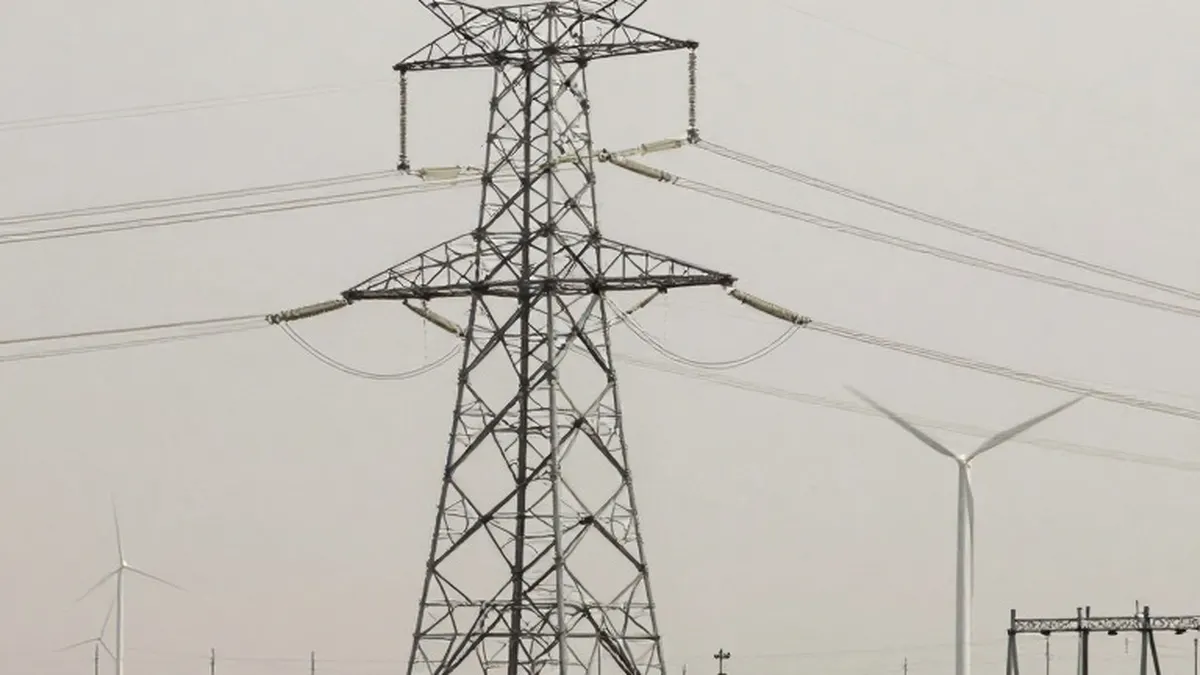
The US Senate voted 73 to 25 on Monday to open debate on legislation intended to accelerate major infrastructure projects, including gas pipelines and electricity transmission lines. The procedural vote advanced the Bipartisan American Affordability and Jobs Act, known as Baaja, without passing it. The proposal has divided climate advocates over whether faster construction of renewable energy infrastructure would justify reductions in environmental safeguards.
Donald Trump urged senators to support the 417-page measure, sponsored by two Republicans and two Democrats. Its supporters have a window to seek passage before Democrats elected in last week’s wave of victories take office in January. But House minority leader Hakeem Jeffries, expected to become speaker in the next Congress, said the proposal inadequately protected tribal sovereignty and needed more input from House Democrats.
Democratic sponsors Martin Heinrich and Sheldon Whitehouse said earlier on Monday that they had enough votes for passage. Heinrich said last-minute revisions would ensure tribal consultation and argued that competitive conditions would favor cheaper renewable power. Whitehouse said the legislation could prepare the ground for additional clean energy policies next year, when Democrats would hold majorities in both chambers.
Earthjustice, the Sierra Club and the ACLU oppose the measure, citing damage to environmental laws and the prospect of faster construction of gas pipelines and ICE detention centers. Indigenous organizations urged senators on Friday to reject provisions weakening federal obligations to consult tribes. Mark Macarro, president of the National Congress of American Indians, called the proposal an “existential threat to Indian country”. Protesters also gathered outside Chuck Schumer’s building over concerns that it would encourage datacenter construction.
The legislation would simplify federal requirements for interstate transmission lines while restricting reviews under several environmental and preservation laws. It would limit use of the Clean Water Act, shorten Endangered Species Act timelines and narrow reviews under the National Historic Preservation Act. Changes to the National Environmental Policy Act would reduce the actions requiring review and restrict who could sue. The ACLU warned that those changes could undermine legal efforts to halt expansion of immigrant detention.
The fossil fuel industry supports the bill. Earthjustice Action president Abbie Dillen said its accelerated process for gas pipelines would help companies expand capacity for liquefied natural gas exports and supply datacenters. The proposed Constitution pipeline through New York could benefit from changes to water permitting rules. New York denied that project a water quality permit in 2016, but Williams Companies revived it under Trump.
Some clean energy advocates see substantial gains from easier transmission construction and reforms to the process for connecting projects to the grid. Interstate transmission lines can take a decade to build. At the end of 2025, projects representing 2,060 GW of generation and storage capacity were awaiting grid connections. Rhodium Group’s Ben King said the bill could enable needed transmission and prepare for future climate policies following Trump’s repeal of clean energy tax credits.
The bill’s emissions effects remain uncertain. Rhodium Group projected lower domestic emissions, while Purdue engineering professor Kevin Kircher’s model projected an increase. Their differing assessments partly reflect expectations about which energy sources would secure grid connections. Rhodium assumed renewables would account for 85% of added capacity, drawing on a 2025 report. Kircher said some operators had since revised their queues and cautioned that models had not undergone peer review since the bill’s introduction on September 30.