Senate takes up bipartisan bill to accelerate energy project permits
Senators voted 73 to 25 to begin considering legislation that would speed infrastructure approvals, drawing industry support and opposition from environmental groups.
By Hiroshi Ferrari ·
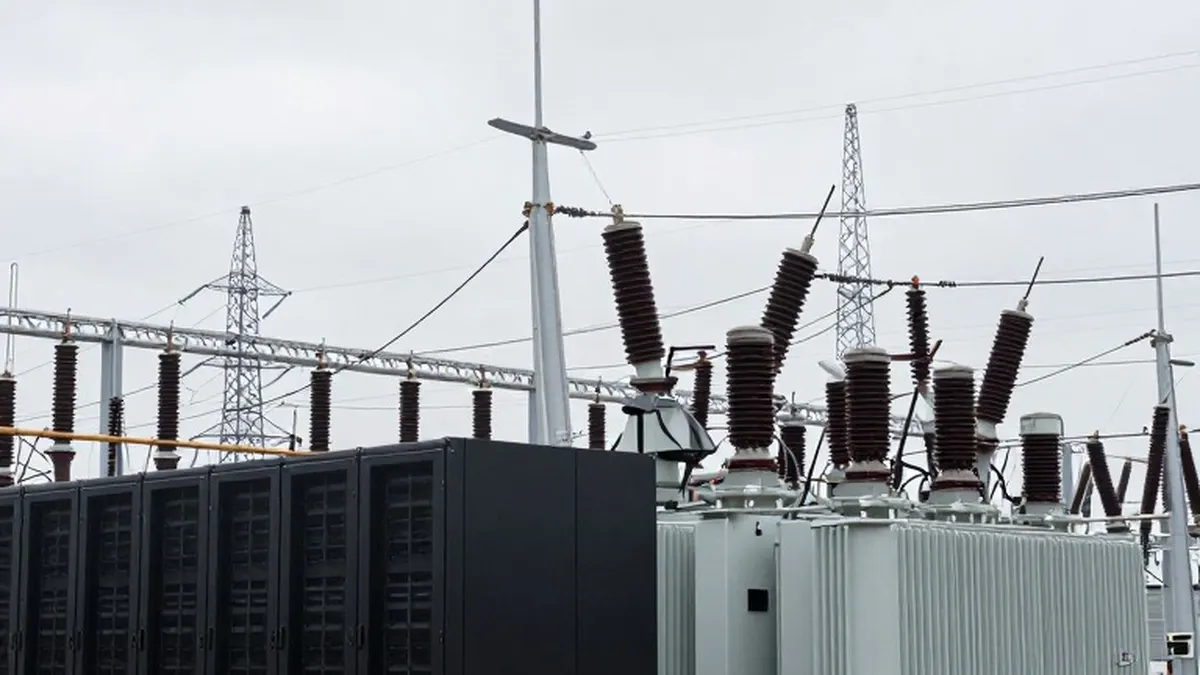
The Senate voted on Monday to take up bipartisan legislation intended to accelerate permitting for datacenters and other infrastructure, marking its first major action since last week’s election delivered a sweeping setback to Donald Trump and congressional Republicans. The 73 to 25 procedural vote moves forward a proposal aimed at addressing growing energy demand and lengthy waits for projects to reach the electricity grid.
The measure would shorten the approval process for major clean energy and fossil fuel developments while requiring datacenters to cover the energy costs they generate. Rising electricity bills and frustration over the large amounts of power consumed by artificial intelligence datacenters helped Democrats who campaigned on promises to impose tighter controls on the facilities.
Trump encouraged senators to support the legislation in a Sunday social media post, arguing that faster construction of pipelines, mines and power plants would strengthen American energy independence and reduce household costs. Major industry organizations representing both clean energy developers and oil and gas companies also back the proposal.
Environmental organizations have opposed the agreement, saying it would encourage long-term fossil fuel development, erode environmental protections and restrict communities’ ability to contest project approvals. Critics have also warned that it could substantially expand liquefied natural gas exports and accelerate construction of datacenters supplied by natural gas.
Democrats’ midterm gains could make passage more difficult during the remaining congressional sessions before the next Congress begins. Some Democrats want to use their stronger position to pursue legislation that expands clean energy while constraining oil, natural gas and mining development. New York Democrat Hakeem Jeffries, the House minority leader who is expected to become speaker in January, criticized the proposal last week. His office said it “falls short” in several areas.
The Sierra Club and National Wildlife Federation are among the groups objecting to restrictions on judicial review and proposed changes to the National Environmental Policy Act and Endangered Species Act. The environmental policy law requires federal agencies to assess potential project impacts and provides for public participation before approval. Supporters of changing that process argue that it contributes to permitting delays lasting years.
Four senators leading the energy and environment panels negotiated the agreement before the election and released detailed amendments on Saturday to attract support. They are Republicans Shelley Moore Capito of West Virginia and Mike Lee of Utah, and Democrats Martin Heinrich of New Mexico and Sheldon Whitehouse of Rhode Island. Heinrich said the legislation would save households billions in electricity costs, create jobs, reduce emissions and prevent corporations from shifting datacenter energy costs onto consumers. Capito urged lawmakers to act, saying national energy production would have to increase over the coming years.