New Zealand Voters Split Power Between Minor Parties and Incumbent Coalition
A record 131-seat parliament leaves Prime Minister Christopher Luxon with a one-seat lead, forcing a three-week wait for final tallies before negotiations begin.
By Larissa Bell ·
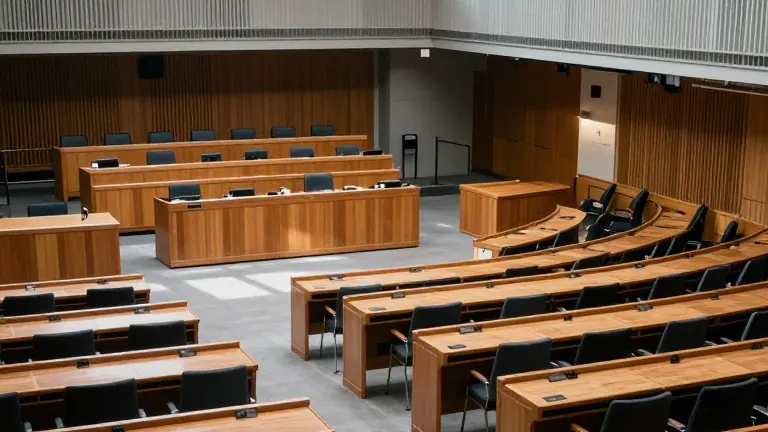
Sixty-seven seats. That is the current count for the conservative bloc led by Prime Minister Christopher Luxon in the New Zealand Parliament, a margin of just one seat above the 66 required for a majority. This razor-thin lead emerged after a general election that saw the two dominant parties lose substantial ground to minor factions, leaving the country without a clear governing path. The final outcome now hinges on the counting of nearly 400,000 special votes, a process that will take three weeks and conclude on November 27.
The election results marked a sharp decline for both the center-right National Party and the center-left Labour Party. National received 29.21% of the preferred party vote, while Labour captured 29.36%. Despite similar party vote percentages, National secured 42 seats by winning local constituency races, whereas Labour obtained only 36. This disparity in local victories left the left-wing bloc with just 57 seats, a deficit that makes a standalone government unlikely even after the final count.
The political shift was driven by increased support for smaller parties. Opportunity, a new unaligned group led by 38-year-old business consultant Qiulae Wong, won seven seats. This result was a major breakthrough for a party that had failed to enter Parliament in three previous attempts. Wong has stated she could work with either major bloc, positioning her party as a kingmaker in the upcoming negotiations. Other minor parties also gained ground, with the environmentally focused Greens winning 16 seats and the Indigenous rights group Te Pāti Māori securing five.
Luxon’s governing coalition also saw changes among its junior partners. The libertarian ACT party won 13 seats, and the populist New Zealand First party took 12. These groups, led by veteran politicians, have expressed criticism of Luxon’s political experience during his three years in office. With several senior National Party lawmakers, including the finance and defense ministers, set to leave politics, Luxon faces a more demanding list of policy demands from his coalition partners.
The uncertainty has prompted a pause in formal political activity. Luxon, who will remain in a caretaker government, told reporters to take a break for the next three weeks while officials count the special votes. These ballots, which include votes from New Zealanders living abroad, have historically added seats to left-wing parties. A shift in the count could hand the majority to the left, though that bloc would still likely need Wong’s support to form a stable government.
New Zealand’s unique electoral system requires voters to cast two ballots, one for a party and one for a local candidate. The country, with a population of 5.6 million, has a single-house parliament with no state or provincial legislative bodies. If the final tally fails to produce a viable government, the nation may face a fresh election. For now, the focus remains on the detailed count of the remaining ballots, which will determine the exact composition of the 131-member parliament.