New Zealand Voters Leave Government Formation to Months of Uncertainty
The country faces a three-week wait as special votes are counted, leaving the ruling conservative bloc with a one-seat lead that may not survive the final tally.
By Hassan Ellis ·
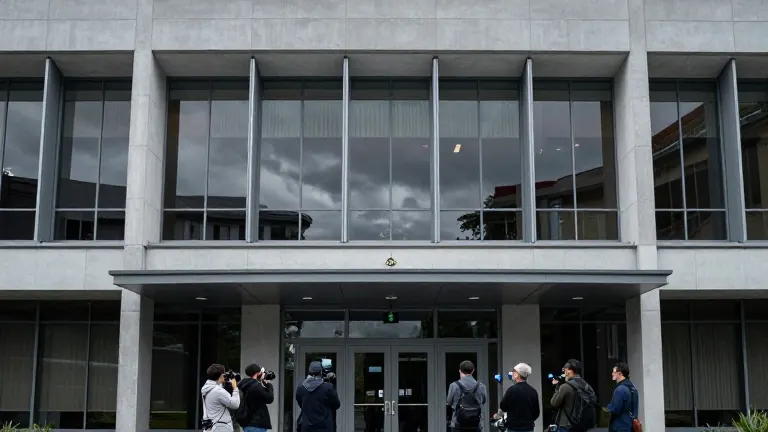
New Zealand has entered a period of political limbo after Saturday's general election failed to produce a clear winner. The result forces the country into a weeks-long waiting period while officials count remaining ballots, leaving the path to a new government uncertain.
The election marked the tightest race in years, dealing a heavy blow to the two dominant parties, National and Labour. Voters shifted support toward smaller parties on the political fringes, reducing the negotiating power of the major blocs. This fragmentation means either side must secure the backing of minor parties to reach a majority.
A new political force emerged as the decisive factor. Opportunity, a party led by 38-year-old business consultant Qiulae Wong, won seven seats. This is the party's first entry into Parliament after three previous failures. Wong stated that her group is unaligned with either the left or the right and is prepared to work with either side to form a government.
Prime Minister Christopher Luxon of the center-right National party currently holds a slight advantage. His conservative bloc holds 67 of the 131 total seats, which is one more than the 66 required for a majority. However, this lead is fragile. Luxon did not claim victory immediately, instead describing the situation with cautious optimism while he prepares to negotiate a second term.
The opposition, led by Chris Hipkins of the center-left Labour party, appears to fall short of a majority. The left-wing bloc currently holds 57 seats. To govern, Hipkins would likely need the support of Wong's party, a prospect that remains unlikely but possible depending on final counts.
Electoral officials began counting nearly 400,000 special votes on Sunday. These ballots include votes from New Zealand citizens living abroad. Historically, these votes have added one or two seats to left-wing parties. This process is expected to take three weeks, with final results scheduled for release on November 27.
The delay stems from the close nature of the results. Parties have agreed not to begin formal negotiations until the exact seat count is confirmed. The uncertainty was evident on Sunday, as the search query for who won the election became the most popular topic on Google in New Zealand.
Luxon blamed the economic dissatisfaction driving the vote on global shocks affecting New Zealand's trade-based economy. He noted that incumbent governments worldwide have faced similar anger over living costs. He urged the public to take a break from politics during the three-week counting period.
The outcome has significant implications for the National party's internal dynamics. Several senior lawmakers, including the ministers of finance and defense, the speaker of parliament, and the attorney general, are expected to leave politics. This loss of experience adds to the challenges Luxon faces in managing a three-party government.