Suspect Detained After Maronite Prayer Hall in Nahariya Vandalized
A court has extended the detention of a suspect accused of damaging a Maronite Christian site in Nahariya, citing strong evidence of religiously motivated offenses.
By Hiroshi Ferrari ·
The Krayot Magistrate's Court in Israel has ordered the continued detention of a suspect identified as Keren for an additional three days. This decision follows allegations that he vandalized a Maronite Christian place of worship in the coastal city of Nahariya. The ruling was issued by Judge Orit Kantor, who noted that the suspected motivation of religious hatred significantly increased the severity of the charges.
The extension of detention was agreed upon by the representative of the Nahariya police and attorney Irena Luria, who represents Keren on behalf of the Public Defender's Office. In a related incident that occurred in September, a resident of Haifa was indicted for vandalizing a church and assaulting a police officer, highlighting a pattern of recent offenses against religious sites in the region.
Judge Kantor expressed a firm conviction regarding the strength of the case against the suspect. She stated that at the current stage, there are reasonable and strong grounds to believe that Keren committed the attributed offenses. The judge emphasized that her assessment is that these acts were driven by religious hatred, which in her view amplifies the danger posed by the suspect and the gravity of the crime.
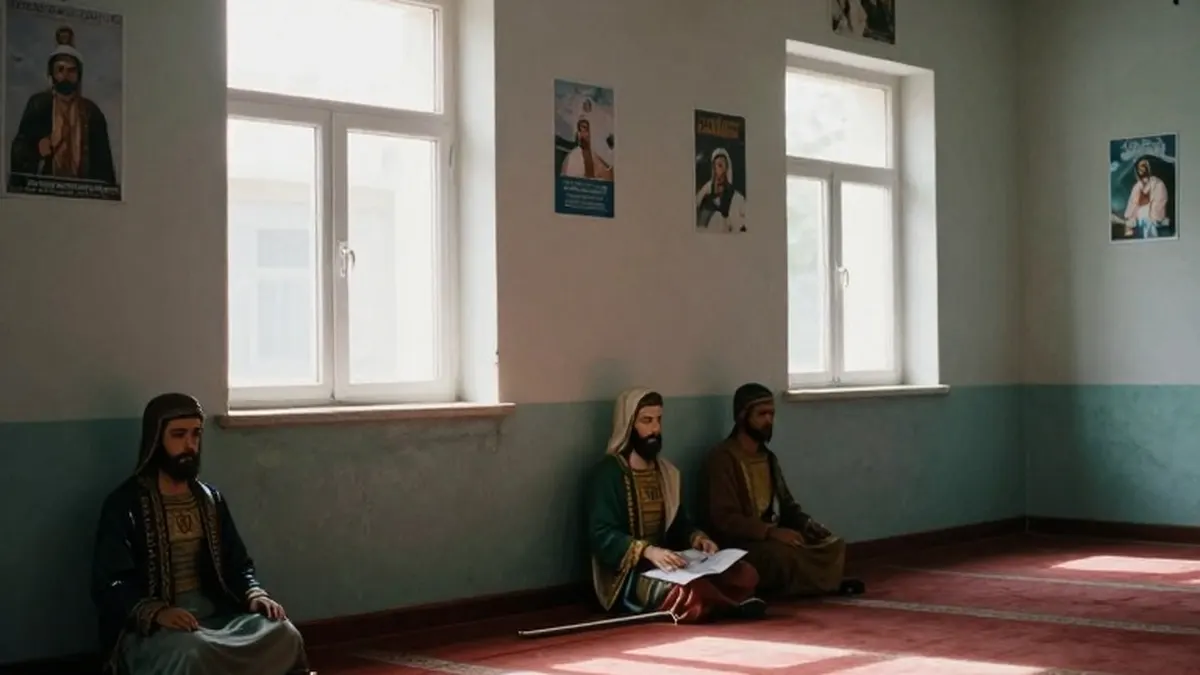
Keren is scheduled to appear before the court again on Thursday, November 12. The vandalism incident took place on Sunday, November 1, and caused significant shock within the local community. This group is primarily composed of former members of the South Lebanon Army. Worshippers who arrived at the prayer hall on that morning discovered broken statues and defaced religious pictures inside the building.
Father Yosef Yaakov, the spokesman for the Maronite community in the Holy Land, provided details about the scene. He reported that a note written in English had been left on the altar, in which the perpetrator asked for forgiveness. The Maronite eparchy in Haifa, which serves as the diocese for the community, issued a strongly worded statement condemning the incident.
The eparchy stressed that the vandalism was a violation of the sanctity of the worship space. They affirmed the right of believers to practice their religion freely, safely, and with dignity. Church officials called on the authorities to conduct a thorough investigation to identify those responsible and bring them to justice. Additionally, they demanded specific measures to protect the site and prevent similar incidents from occurring in the future.
This event follows a series of other cases involving damage to Christian places of worship across Israel. In August, police arrested a suspect after crosses and statues were smashed at St. Anthony's Church in Jaffa. Concerns over the protection of religious sites have also emerged in Jerusalem, where seven suspects were arrested in August for incidents involving an Armenian church and Muslim graves.
The Nahariya prayer hall operates on municipally owned property located next to a city park. It serves as a central location for the Lebanese Maronite community for prayers and religious ceremonies. The community in the area numbers approximately 1,100 people. While several dozen worshippers typically attend Sunday prayers, hundreds gather for major religious holidays.
The incident has drawn attention to the security and preservation of minority religious sites in Israel. The combination of physical damage to sacred objects and the discovery of a note on the altar has prompted community leaders to seek greater assurance regarding the safety of their congregations and their places of worship.