Middle East diplomacy: Iran shortens Strait of Hormuz reopening timeline
Tehran proposes a two-day framework for resuming nuclear talks and maritime transit, while China dispatches an envoy to the Gulf and Yemeni displacement exceeds 300,000.
By Hiroshi Ferrari ·

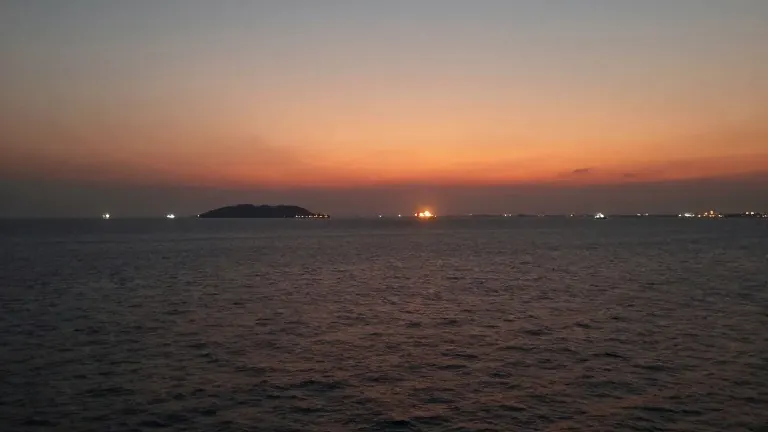
Ordinary travelers and global energy markets face a compressed window for stability as Iran announced Monday it can reopen the Strait of Hormuz within two days. This timeline reduces the previous seven-day estimate for implementing a negotiated agreement with the United States. The change affects the flow of crude oil and commercial shipping through one of the world's most critical waterways.
Tehran stated that the two-day plan remains contingent on Washington meeting specific demands. These conditions include lifting the blockade of Iranian ports and removing sanctions on oil sales. Iranian officials also require a ceasefire agreement that extends to Lebanon. Ships passing through the reopened strait must follow a route agreed upon by Iran and Oman while traveling under Iranian supervision. Esmail Baghaei, a spokesperson for the Iranian Foreign Ministry, described the move as a demonstration of good faith, though he did not confirm that the U.S. had accepted the proposal.
The diplomatic shift occurs amid mixed signals from Washington. President Donald Trump has publicly oscillated between supporting negotiation and threatening heavy aerial bombardment of Iran. Iran’s top diplomat expressed hope Sunday that the U.S. would prioritize diplomacy over other paths. The region braces for potential renewed conflict as mediators work to finalize the details of the agreement.
China is increasing its direct involvement in the region by sending a special envoy to Iran, Oman, and Saudi Arabia in early to mid-November. Foreign Ministry spokesperson Mao Ning stated the envoy would focus on easing tensions and promoting stability. President Xi Jinping told Omani Sultan Haitham bin Tariq Al Said on Monday that the Gulf should not become an arena for great-power rivalry. China relies on the region for a large share of its oil imports, driving its interest in maintaining predictable energy flows.
The humanitarian fallout continues in Yemen, where the International Organization for Migration reported that more than 300,000 people have fled renewed fighting. Combat between Iran-backed Houthi rebels and Saudi-backed government forces has broken a four-year truce. Taiz province is receiving displaced families, while more than 56,000 have fled south to Aden. Abdusattor Esoev, head of the IOM mission in Yemen, noted that many families are arriving with little more than the clothes on their backs and urgently need shelter and food.
In Gaza, two men died in separate Israeli airstrikes in the south early Monday, according to Nasser Hospital. One victim was killed in a home, while the other died in a tent. The Israeli military did not immediately respond to a request for comment. Since the October 2025 ceasefire halted major fighting, approximately 1,580 Palestinians have been killed, bringing the total death toll to more than 74,500, according to Gaza’s Health Ministry.