Iran rejects reports of US talks, ties Hormuz reopening to seven demands
Tehran says it is awaiting a clear US response to its conditions for peace talks, while Washington argues that economic pressure has removed the need for major combat operations.
By Larissa Bell ·
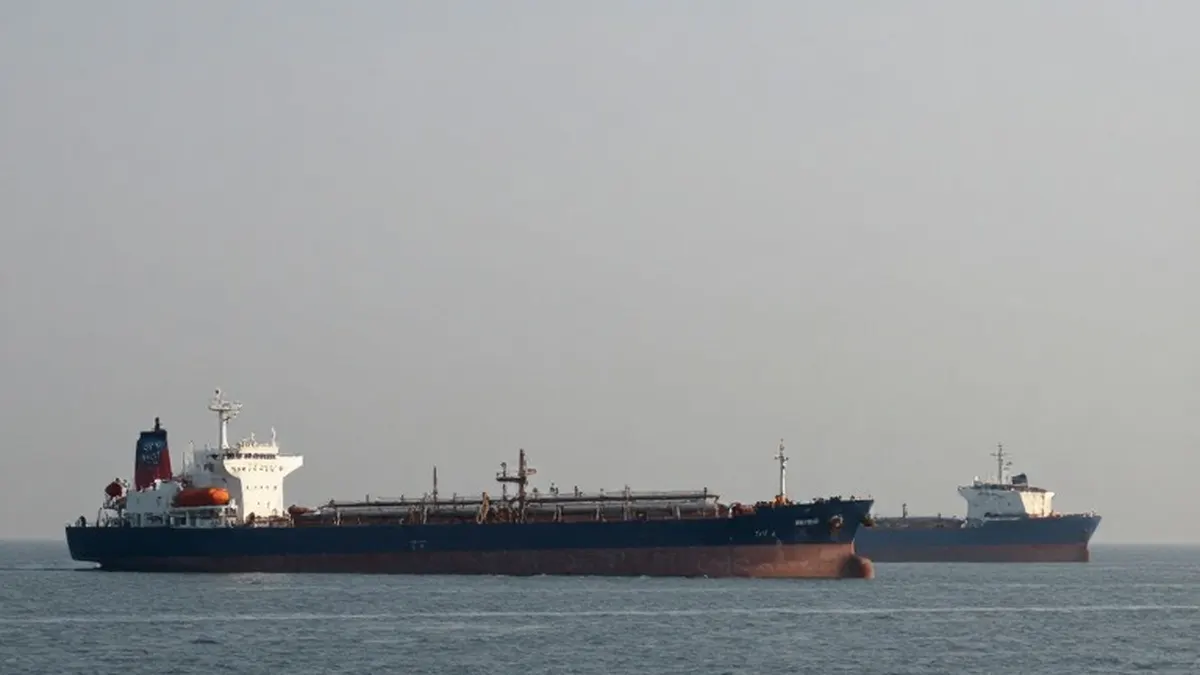
Iran has denied that negotiations with the United States are taking place and says the Strait of Hormuz will remain closed until Washington meets its seven conditions. Security chief Mohsen Rezaei said on Tuesday that Tehran was still awaiting a clear response to its demands, challenging growing expectations of a diplomatic breakthrough.
Speaking to Lebanon’s Al Mayadeen TV, Rezaei rejected reports of continuing negotiations or a meeting in Qatar. He accused Washington of promoting the prospect of talks to relieve economic pressure and lower oil prices. The initial US response to Iran’s conditions, he said, had been inadequate and deceptive.
Tehran has not made its full list of demands public. However, Rezaei and Foreign Minister Abbas Araghchi have said the conditions include removing sanctions, lifting the US naval blockade and ending fighting across all fronts, particularly Israeli attacks on Lebanon. Araghchi has said the strait could reopen within two days if those requirements are fulfilled.
In remarks to Iran’s state news agency IRNA on Tuesday, Araghchi argued that neither military action nor tougher sanctions would resolve the conflict. He called for respectful diplomacy that addressed Iran’s demands, saying the conditions set out in its two-day proposal remained available for consideration.
The Iranian statements followed comments by US President Donald Trump that he saw “positive momentum” towards ending the war and believed further attacks on Iran were unnecessary. Trump met Qatar’s prime minister, Sheikh Mohammed bin Abdulrahman bin Jassim Al Thani, at the White House on Monday. Qatar has a central mediation role in the conflict.
Hours after that meeting, Sheikh Mohammed held discussions in Paris with Saudi Arabia’s foreign minister and four senior European diplomats as Group of 7 foreign ministers gathered there. France’s Foreign Ministry said the discussions would address the Iran crisis and its economic and security consequences. US Secretary of State Marco Rubio told reporters in Paris that Washington remained open to diplomacy and said economic pressure was currently making major combat operations unnecessary.
Meanwhile, Iran’s Islamic Revolutionary Guard Corps claimed three oil tankers caught fire on Tuesday after hitting naval mines on what it described as an unauthorised route through the eastern strait. The UK Maritime Trade Operations agency separately reported incidents involving two tankers, including one struck by an unidentified projectile northeast of Oman’s Lima village.
Maritime monitoring firms had reported at least 37 ship attacks in and around Hormuz in November, the largest monthly tally since the war began. Now in its ninth month, the US and Israel’s war on Iran has unsettled global markets, interrupted oil and gas supplies and driven prices higher worldwide.