Hezbollah defines Iran survival as trigger for rejoining US-Iran conflict
A senior Lebanese official stated the group will only re-enter a renewed American-Iranian war if the Iranian regime faces an existential threat, while simultaneously rebuilding its forces with tens of millions in new Iranian funding.
By Larissa Bell ·
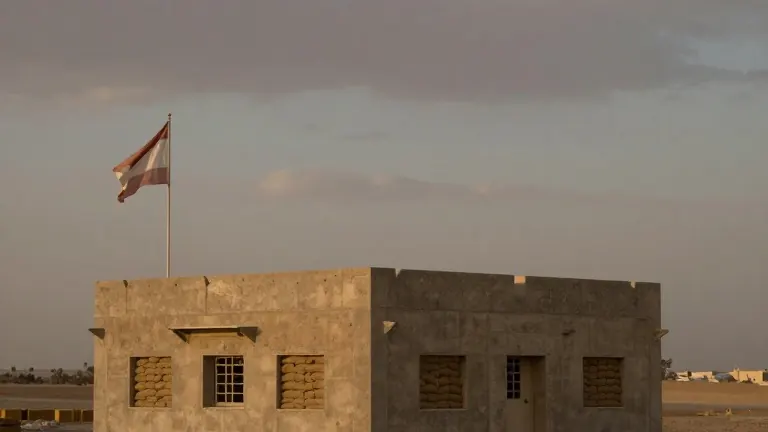
A senior Lebanese official said on Saturday that Hezbollah will not join a renewed military conflict between the United States and Iran unless the survival of the Iranian regime is directly at risk. The assessment, reported by the United Arab Emirates state-owned news outlet The National, clarifies the specific conditions under which the group would re-engage in hostilities despite its reduced military strength.
The official explained that a clear threshold was established earlier in the year. When the war in the region began, the group understood it would enter the fighting if Ayatollah Ali Khamenei were killed. That expectation was realized when Khamenei died in a joint US-Israeli strike on February 28. The official stated, “We knew earlier this year, when the war in the region first broke out, that Hezbollah would join the fighting if [late Iranian supreme leader Ayatollah Ali] Khamenei were killed,” and added, “We even informed the Americans about it.”
Hezbollah is currently preparing for a potential resumption of combat. According to Lebanese security personnel briefed on the group's activities, the organization has spent at least three months rearming following a lull in hostilities that began in June. Two sources told Reuters that the group is focusing on procuring explosives and producing drones capable of entering the security zone. One source, along with another close to Hezbollah, said the group received tens of millions of dollars from Iran to boost its capabilities. This sum is in addition to approximately $200 million that the group received from Tehran earlier this month.
The group is also working to restore command-and-control structures that collapsed during previous major battles, according to one security source and three other officials familiar with its operations. KAN news reported last month that Hezbollah operatives have maintained a presence in southern Lebanon's pilot zones, gathering intelligence and recuperating their fighting ability. However, Hezbollah's media office rejected the suggestion that its command systems had broken down when responding to questions from Reuters.
Washington maintains pressure on the group's finances. A US State Department spokesman said the administration would continue to restrict Hezbollah's funding through sanctions. A US Treasury spokesperson noted that Iran is depleting its funds and methods for transferring money.
Diplomatic efforts are also underway regarding the group's future. US President Donald Trump pledged to secure a full Israeli withdrawal from southern Lebanon if Beirut agrees to join the Abraham Accords, according to a senior Gulf diplomatic source cited by the Lebanese newspaper Ad-Diyar. The source described these American promises as official commitments. However, the newspaper did not provide supporting documents, identify the diplomat, or specify a timetable for implementation.
Senior Israeli officials responded to the report by insisting that Israel would not withdraw its forces before Hezbollah is disarmed.