Iran and Qatar enter third day of talks on two-day Hormuz reopening plan
Negotiators in Doha are working to finalize a diplomatic exit from the US-Israeli war on Iran before the November 3 US midterm elections.
By Hassan Ellis ·
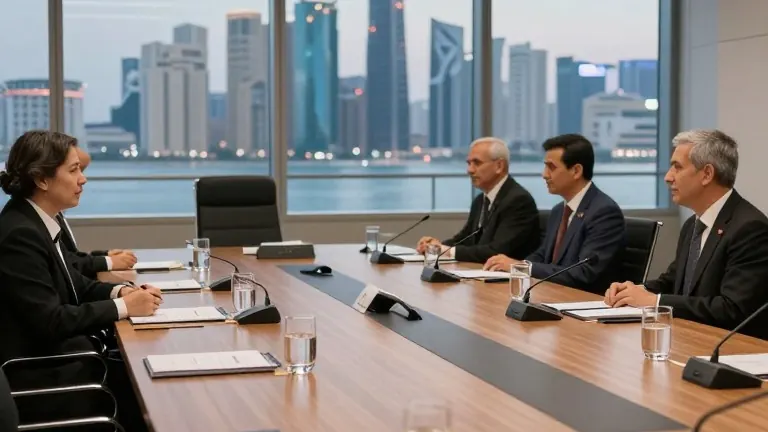
Iranian negotiators arrived in Doha on Sunday for their third straight day of discussions with Qatari mediators. The goal is to secure a deal that ends the ongoing conflict between the US, Israel, and Iran. An official briefed on the talks confirmed the delegation's presence in the Qatari capital.
The timing is sensitive because of the US midterm elections scheduled for November 3. President Donald Trump has stated that the United States will not launch new attacks on Iran before the vote. He described the current talks as productive but has not ruled out further military action after the election is complete.
Iranian Foreign Minister Abbas Araqchi described the negotiations as ongoing and progressing. He told state media that Tehran remains ready for both defense and diplomacy. Araqchi noted that discussions are continuing regarding a specific two-day proposal, though no final conclusion has been reached yet.
Al Jazeera cited Araqchi’s interview on Saturday, where he said Iranian and Qatari negotiators have developed a plan to reopen the Strait of Hormuz within two days of any agreement with Washington. This move would directly address one of the major disruptions to global oil supplies caused by the war, which has now lasted eight months.
Tensions remain high despite the diplomatic efforts. Ayatollah Mojtaba Khamenei, Iran’s Supreme Leader, ordered the armed forces on Saturday to prepare for any potential attack. The Iranian military subsequently announced steps to strengthen its readiness in response.
US Secretary of State Marco Rubio said on Saturday that President Trump has not yet decided whether to launch new strikes. Rubio indicated that the US prefers to resolve the conflict through diplomacy. Qatari mediators visited Tehran on Friday before moving the talks to Doha on Saturday, coordinating regularly with Washington throughout the process.
Araqchi expressed hope that rationality would guide the other side in prioritizing diplomacy. The conflict has already disrupted energy markets and spilled across the Middle East. Iran has warned it will strike US and Israeli targets in neighboring countries if new attacks occur.