Ethiopia's Medical System Faces Collapse
Resumed fighting in Tigray has overwhelmed hospitals, leaving thousands without care as international funding dries up.
By Larissa Bell ·
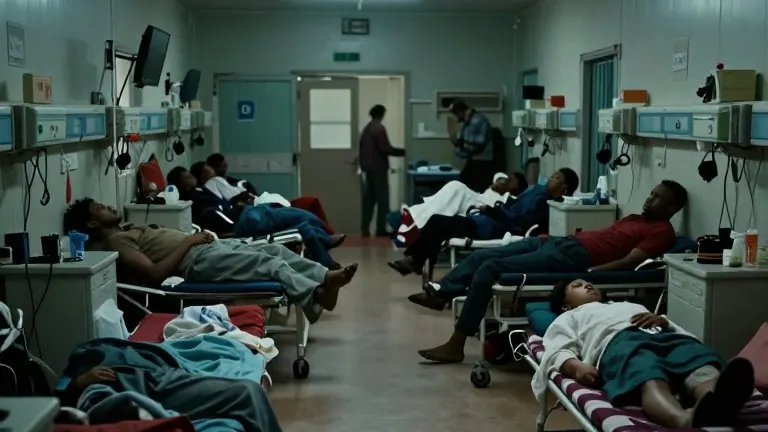
Healthcare infrastructure in northern Ethiopia is nearing the breaking point after a two-year ceasefire collapsed on September 24. As fighting between the federal government and Tigrayan rebels intensified, hospitals in Mekele, the regional capital, became overwhelmed by a surge of war trauma patients. A surgeon in Mekele described the situation as seven to eight days of chaos, noting that the emergency room was so crowded with victims of gunfire, drone attacks, and mortar shells that there was no space to move on the floors.
The resumption of hostilities has exposed the fragility of a health system that never fully recovered from the two-year Tigray war, which killed an estimated 600,000 people. In May, Tigrayan rebels ousted regional leaders, prompting the federal government to cut funds to the region, including to regional hospitals. Doctors in the area report they have not been paid in months. Tedros Adhanom Ghebreyesus, the director-general of the World Health Organization, stated that the violence is pushing an already fragile system closer to collapse. Tedros, who is Tigrayan and formerly served as Ethiopia's health minister, highlighted shortages of workers, medicine, and ambulances.
Attacks on medical facilities have become a widespread global concern, with data from the WHO showing more than 960 deaths in 19 countries due to attacks on healthcare facilities and workers so far in 2026. In Ethiopia, these attacks are not new. A report published in August by Physicians for Human Rights and the Organization for Justice and Accountability in the Horn of Africa found that 63% of over 600 health workers surveyed in three northern regions reported attacks on ambulances between 2020 and 2024. Additionally, 57% witnessed armed groups taking over clinics or hospitals. Lindsey Green, a researcher at Physicians for Human Rights, noted that these actions erode the norm of healthcare being protected during conflict.
The lack of recovery since the 2022 peace agreement has left the region vulnerable. An independent review of birth data from the 2020 to 2022 conflict period found that the maternal mortality rate per 100,000 live births increased fivefold compared to prewar levels. By 2022, 83% of clinics and hospitals could no longer serve pregnant women. A health worker in Tigray counted more than 100 women who died in childbirth over the past year, attributing the deaths to a lack of medicine, providers, and fuel for ambulances.
International funding cuts have compounded the local crisis. The dismantling of USAID shortly after Donald Trump took office in 2025 removed a key source of support for global health initiatives. Ayoda Werede, a physician with Health Professionals for Tigray, said that while the Ethiopian military has not targeted health centers in this latest outbreak, unidentified groups have stolen supplies, including medication, equipment, and mattresses. Werede warned that the system is stretched beyond capacity. The surgeon in Mekele said many doctors have left the country, stating, "We've lost our sense of being secure." NPR reached out to Ethiopia's Foreign Ministry and the Office of the Prime Minister but did not receive a response.
The conflict has created a vacuum where opportunistic theft and targeted strikes continue. Health workers report that armed groups occupy facilities to seize or destroy resources, making access to care more difficult. One worker in Mekele recalled Ethiopian forces occupying a hospital and forcing staff to step on the uniforms of Tigrayan rebels. With the peace agreement failing to stop the violence, the region faces a cycle of destruction and inadequate recovery. The combination of renewed war, unpaid staff, and reduced international aid has left medical teams with limited options to treat the growing number of injured civilians and fighters.