Ethiopia border conflict displaces over 50,000 as Kenyan communities strain under the weight of refugees
Violence in the Moyale region has forced tens of thousands to flee into Kenya, creating a humanitarian crisis that is testing local resources and regional stability.
By Larissa Bell ·
The violent clashes along the Ethiopia border have displaced more than 50,000 people, according to recent estimates from the Kenya Red Cross. The conflict, which erupted in the disputed Moyale area, has driven residents across the border into Kenya, where they face urgent needs for shelter, food, and medical care. While a government assessment in late October recorded approximately 36,000 displaced individuals, the figure has climbed sharply as the situation evolves. These numbers include both those in temporary settlements and those staying with host families, though a final verified total has yet to be confirmed.
The root of the fighting lies in a long-standing dispute between Ethiopia’s Oromia and Somali regional administrations over land and administrative control. Tensions flared around October 18 following the raising of the Somali regional flag in the contested zone. For many fleeing the area, the political nuances are secondary to the immediate struggle for survival. One resident, Hawa Hassan, described leaving her burned home behind and witnessing a young girl shot near a wall, a memory that highlights the sudden and brutal nature of the violence.
In Kenya, the influx of refugees is placing significant pressure on local communities. Families that initially opened their doors are now stretching scarce supplies to feed many more people. Some households that once cooked for six are now serving up to thirty individuals. This strain is compounded by fears that the violence might spill over, leading some Kenyan residents to move further inland after hearing gunfire and seeing stray bullets land near their homes.
Aid agencies are working to manage the crisis, but resources remain tight. Kenya’s acting commissioner for refugee affairs, Mwasaru Mercy, noted that there were no specific contingency food stocks for this abrupt incident. A multi-agency team has been deployed to coordinate with local authorities and the UN High Commissioner for Refugees. While a formal refugee camp has not yet been established due to security concerns, registration and needs assessment are ongoing for the thousands of arrivals, many of whom are women and children.
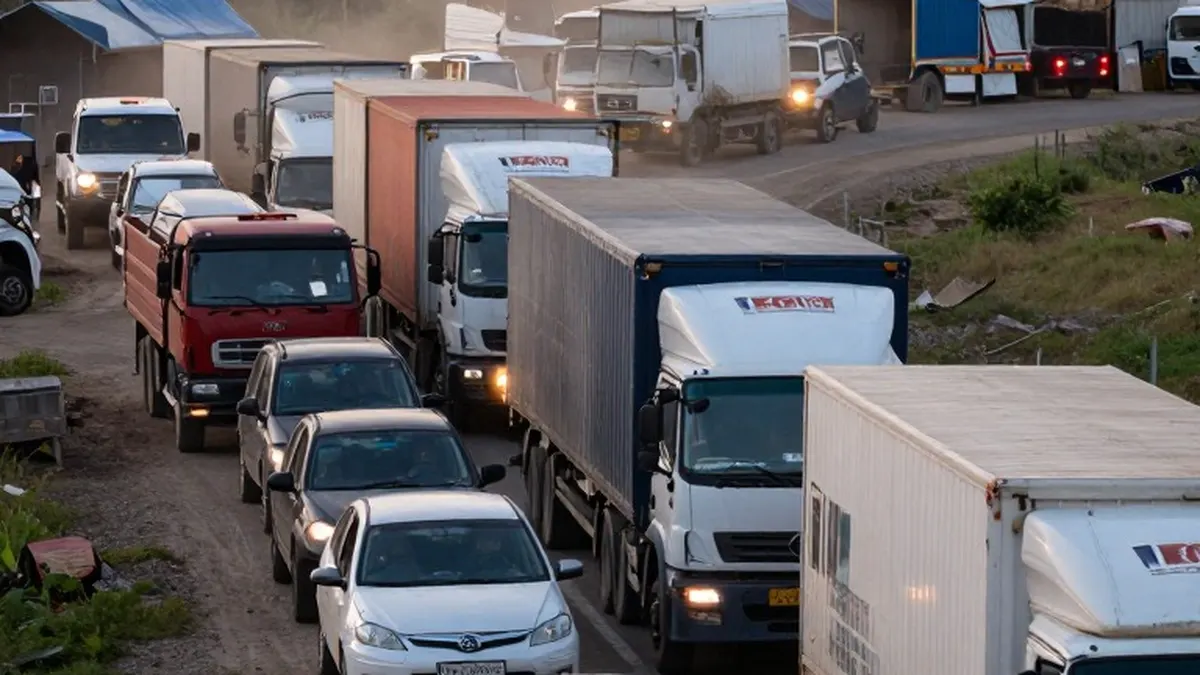
The economic impact of the conflict is also being felt in the border town of Moyale, a key trading point between Kenya and Ethiopia. Trucks carrying goods between Mombasa and Addis Ababa have been stranded for nearly two weeks, disrupting supply chains. Business activity has slowed, and price rises of approximately 20 percent have been reported as supplies become harder to move. Bank closures have further complicated the circulation of currency, adding to the economic burden on traders and residents alike.
Security officials are taking steps to bolster protection along the border. Kenya’s Inspector General of Police, Douglas Kanja, announced the deployment of additional officers during a visit to Moyale in early November. He reported that about 10,000 people were staying in temporary shelters and public institutions, distinct from those in host families. Kanja also confirmed the death of one Kenyan citizen from a stray bullet and noted that an Ethiopian man had also died from gunshot wounds sustained in Kenya.
Analysts warn that the conflict exposes deeper ethnic and political divisions within Ethiopia, potentially making it a broader regional security concern. Dr. Abdiwahab Sheikh Abdisamad, a security analyst, noted that perceptions of expansionism and cross-border armed activity are deepening mistrust. As the fighting continues, the ability of host communities to absorb the cost of displacement becomes increasingly difficult, with residents stating they are now effectively caring for two towns simultaneously.
Humanitarian efforts are also underway inside Ethiopia, where the Red Cross Society has provided emergency supplies worth about 30 million Ethiopian birr to 1,000 households. These supplies include tarpaulins, blankets, and kitchen sets. Despite these efforts, many displaced people remain in precarious conditions, waiting for a ceasefire that will allow them to safely return home. Until then, they depend heavily on the generosity of Kenyan neighbors and international aid organizations.