Brent crude settles above $116 after Iran threatens Gulf infrastructure
Traders priced in new US strikes on Iran, pushing the international benchmark to its highest level since April.
By Larissa Bell ·
Global energy consumers face higher costs as the price of Brent crude oil settled just over $116 per barrel on Friday. This level marks the highest price for the international benchmark since April. The increase places a direct financial strain on households and businesses that import fuel.
The surge followed reports that the United States is planning renewed military action against Iran. These operations are reportedly scheduled for a window after the November 3 midterm elections. This timeline suggests Washington is moving away from diplomatic efforts. Richard Hunter, a broker at Interactive Investor, said this shift in strategy was enough to trigger the price spike. He noted the conflict is now in its eighth month.
Iranian officials warned that any new joint offensive by the US and Israel would trigger retaliation. Tehran listed specific targets for potential strikes. These include oil facilities, undersea cables, data centers, and artificial intelligence infrastructure in the Gulf. The threat to digital infrastructure marks a new category of assets at risk in the conflict.
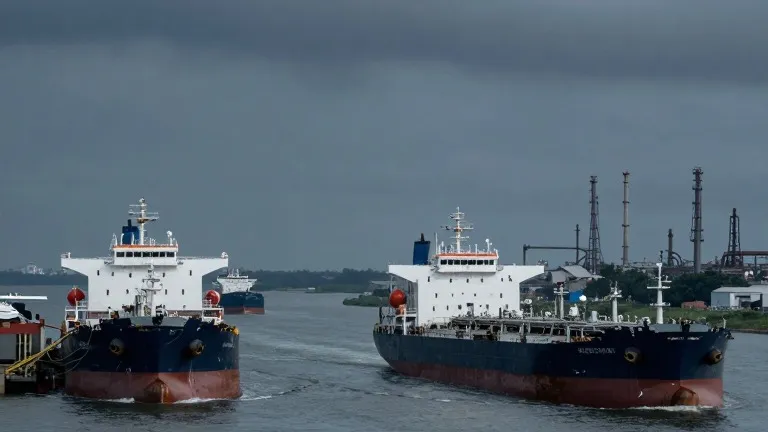
Violence in the region intensified earlier this week. The Islamic Revolutionary Guards Corps claimed it struck four commercial ships in the Strait of Hormuz on Wednesday. This waterway serves as a critical chokepoint for global oil shipments. Susannah Streeter, chief investment strategist at Wealth Club, said projectiles continue to threaten maritime traffic. She warned that the journey through the strait remains dangerous for commercial vessels.
The US State Department ordered some diplomats and their families to leave Saudi Arabia. This move reflects growing instability in the region. The kingdom has faced continued attacks from Houthi rebels based in Yemen. Streeter indicated that these attacks have intensified this week, adding another layer of complexity to regional security.
The current price represents a continued period of elevated costs. In February, before the war with Iran began, Brent crude traded at approximately $72 per barrel. By the end of April, tensions had driven the price to $126 per barrel. The market is now absorbing these higher levels as the conflict persists.
Supply concerns extend beyond the Middle East. Streeter noted that Ukraine’s bombardment of Russian diesel refineries is also impacting global energy supplies. This additional pressure complicates an already volatile market. Traders are weighing the risks of further supply disruptions as they price in the latest developments.
More Business · World news · Business Watchdog · Report a business · Got a Story?