Women Share Stories of Resilience at WIZO Conference in Tel Aviv
Participants in a new support program describe the challenges of rebuilding family life after escaping abusive relationships in Israel.
By Hassan Ellis ·
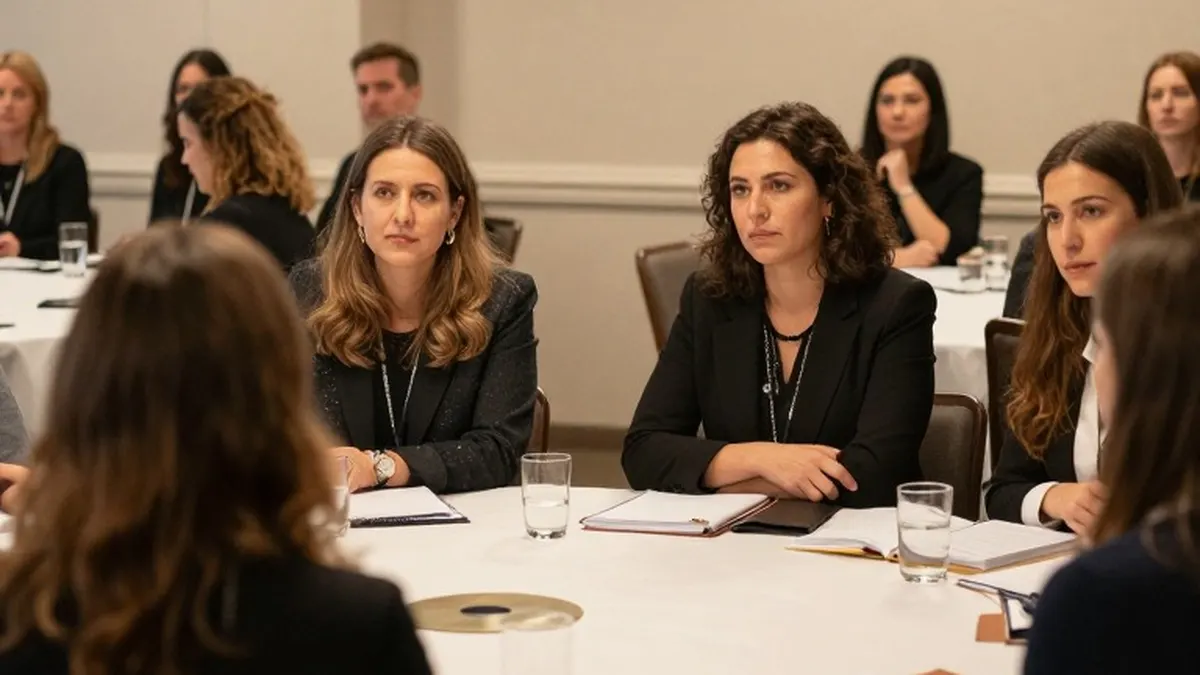
Three women gathered in Tel Aviv on Tuesday to share their experiences of rebuilding their lives after leaving abusive relationships. They spoke at a conference hosted by the Women's International Zionist Organization, or WIZO, which focused on the long-term process of recovery. Their testimonies highlighted that healing extends far beyond the immediate physical separation from a partner, involving the complex tasks of managing daily routines and helping children feel secure again.
The event took place in the lead up to the International Day for the Elimination of Violence against Women, which is observed on November 25. The conference examined three key areas: prevention, protection, and rehabilitation. For the panelists, true recovery meant finding a sense of belonging and a community that understood the timeline of their personal growth.
One participant, a mother of three, emphasized that the public often misunderstands the speed of recovery. She noted that people frequently assume victims can simply snap out of their situation, but the reality is more gradual. She valued the support network that provided a space where others noticed her presence and waited to see how she was doing.
Another speaker, a mother of two, identified loneliness as the most difficult aspect of leaving a shelter. She explained that abuse erodes positive feelings, making it hard to describe the experience to those who have not lived through it. She credited the Tzomchot Yachad program, which translates to Growing Together, for providing not just a community but also healing and new opportunities.
The program connects women with weekly meetings and volunteer support while assisting them in accessing rights, finding employment, and strengthening their parenting skills. It operates through twelve communities across Israel, supporting approximately two hundred women and three hundred of their children as they establish independent lives.
The challenges faced by these women are both practical and emotional. Many must secure housing and work after their lives have been interrupted, often while dealing with debts incurred during the abusive relationship. Dr. Shlomit Kaminka, founder and CEO of the Israeli Society for Human Resource Management, stressed the role of workplaces in this process. She explained that managers and human resources staff often see employees more than their families do, giving them a unique opportunity to notice changes in behavior.
Kaminka described a training initiative developed with WIZO to prepare human resources professionals to recognize warning signs and respond sensitively. She advocated for a bottom up approach to set facts on the ground. Meanwhile, Yasmin Rubin Cooper, director of the Drawing the Lines initiative, highlighted the growing involvement of grassroots organizations and the essential role of men in prevention efforts.
A third panelist, a single mother who immigrated to Israel alone, shared her journey of overcoming fears about her son, who has special needs. She had worried about leaving him during group activities when he was not yet verbal. Months later, she described a child who was talking, participating, and asking for his friends even during the war. She found friendship and community through the group, which helped alleviate her guilt about raising her son without strong family connections.
The discussion also touched on the broader context of rebuilding security while living through war. Adi Yoffe, a business futurist, argued that anticipating the future requires examining forces beyond day to day concerns, such as geopolitical changes and technological developments. These disruptions have made it harder to predict even the immediate future.
WIZO data indicates that eighty one percent of survey respondents reject the idea that domestic violence is a private matter. Half of those surveyed believed violence had increased since October 7. World WIZO CEO Marsel Asulin called for a government response with clear policies, targets, and budgets, stating that the fight against violence cannot rely solely on public vigilance or civil society. One of the mothers concluded that with sustained support, a whole family can be reborn.