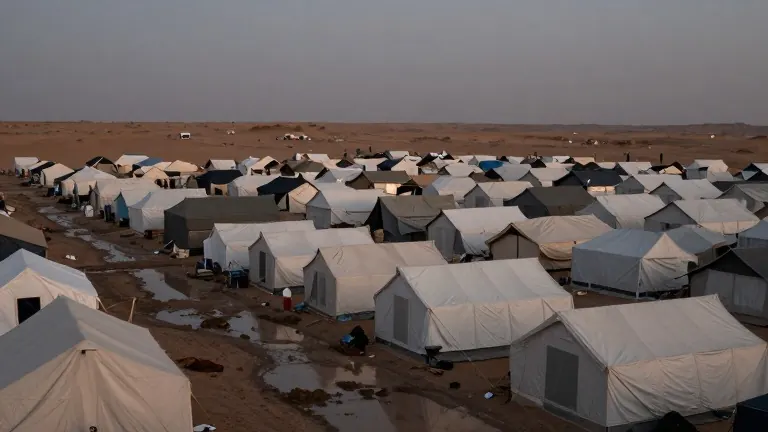
Abu Dhabi Talks Begin With US Optimism on Ukraine Peace
Senior US officials express cautious optimism as trilateral negotiations in Abu Dhabi aim to bridge gaps between Washington, Kyiv, and Moscow.
By Hiroshi Ferrari ·
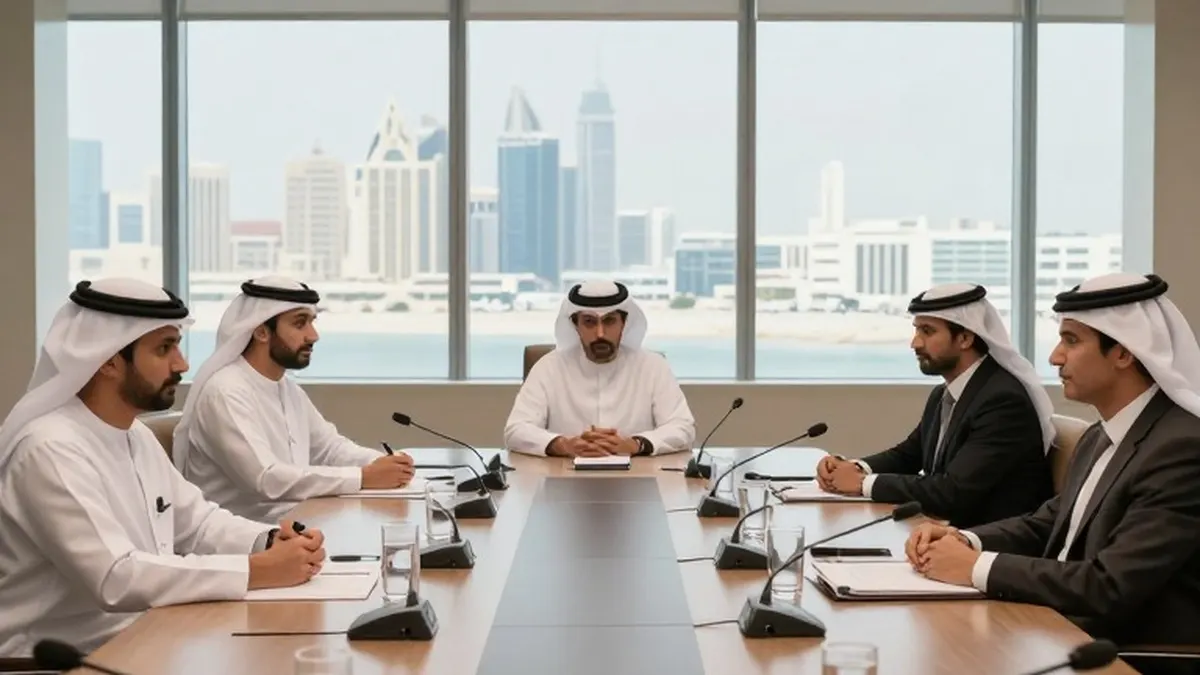
Negotiations between the United States, Ukraine, and Russia commenced in Abu Dhabi on November 10, marking a significant diplomatic effort to end the ongoing war. Senior US officials described the atmosphere as one of cautious optimism, stating that there is now a real opportunity for serious progress toward a settlement. This positive outlook stems from recent signs of increased willingness on both sides to reach an agreement.
President Donald Trump has instructed his representatives to prioritize a lasting peace over a rapid but fragile truce. In recent months, contacts between the parties have intensified, with daily and sometimes multiple daily communications. One official noted that the current position allows for a genuine attempt to conclude the conflict, although a final settlement is not expected from the two-day meetings in Abu Dhabi.
The primary objective of the talks is to clarify positions and identify remaining disagreements. Ukraine’s chief negotiator, Rustem Umerov, emphasized the goal of achieving lasting peace. His Russian counterpart, Vladimir Medinsky, stated that Moscow views ending the war as beneficial for both nations. The central challenge remains convincing both sides that a cease-fire will not allow the other to rearm for future conflict.
Washington is exploring various measures to ensure security, including consultations, crisis communications, and military transparency. US envoy Steve Witkoff highlighted the importance of building upon existing European security institutions. A key demand from the US is for Moscow to accept security guarantees for Ukraine modeled on NATO’s Articles 4 and 5. Any US guarantee would ultimately depend on decisions by President Trump and Ukrainian President Volodymyr Zelenskyy, though Trump prefers Europe to bear the financial burden.
Territorial issues, specifically regarding Ukraine’s eastern Donetsk region, remain a focal point. Russia demands the entire region, while Ukraine proposes a cease-fire that freezes current front lines. Although both sides have shown some private flexibility, Zelenskyy has repeatedly rejected ceding territory still held by Ukrainian forces. US officials stressed that territorial arrangements and security guarantees must be negotiated in parallel.
European partners, including Germany, France, Britain, Italy, NATO, and the EU, are participating in the Abu Dhabi meetings. Their initial consultations with US representatives will be separate from the trilateral talks with Russia. EU foreign policy chief Kaja Kallas emphasized that any agreement requires EU participation, noting that a European security architecture already exists. Moscow remains distrustful of European governments, whom it blames for derailing earlier talks in Istanbul.
US officials reported that Moscow has sent positive signals regarding a postwar security framework, with one official stating this is the first time they see a real desire from Russia to finish the war. However, skepticism persists among European analysts. Sam Greene, a professor at King's College London, wrote that negotiations may serve as a means for Russia to win the war rather than end it. Kallas similarly expressed doubt, suggesting Russia was pretending to negotiate without showing goodwill.
The proposed framework may include gradual sanctions relief as an incentive for Moscow to honor the agreement, with provisions for reinstatement if violations occur. The US aims to move quickly due to the mounting toll of the war, but officials cautioned that sustainable peace requires difficult compromises. Further meetings between Putin and Zelenskyy could follow depending on the outcome in Abu Dhabi.
Humanitarian efforts are also part of the diplomatic push. Recent cease-fires, such as the six-day truce in Oleshky, have allowed for civilian evacuations and aid delivery. As winter approaches, Russian attacks on energy infrastructure threaten millions with outages. UN Assistant Secretary-General Mohamed Yahya warned that emergency assistance cannot replace a destroyed electricity grid. Washington seeks to turn these intensified contacts into a structured process that addresses both the territorial dispute and the conditions for lasting peace.