Washington dismisses Iranian peace terms as US downplays need for new strikes
US officials characterize Tehran's settlement conditions as unrealistic while maintaining that economic pressure, rather than new military attacks, is the preferred path forward.
By Larissa Bell ·
The United States has moved to minimize the likelihood of a new military campaign against Iran, even as Washington sharply criticizes Tehran's conditions for a political resolution. President Donald Trump described the conflict as effectively over on Monday following a meeting with the Qatari prime minister at the White House. He cited growing momentum toward an end to the hostilities, a tone that has become more conciliatory since the Democratic Party secured a significant victory in the US midterm elections on November 3.
The Democratic campaign had focused heavily on opposition to the war and the resulting rise in energy prices. However, the US assessment of ongoing diplomatic efforts was quickly challenged by Iranian officials. Mohsen Rezaei, a former commander in the Islamic Revolutionary Guard Corps and current secretary of Iran’s Supreme National Security Council, disputed the American narrative in a television interview.
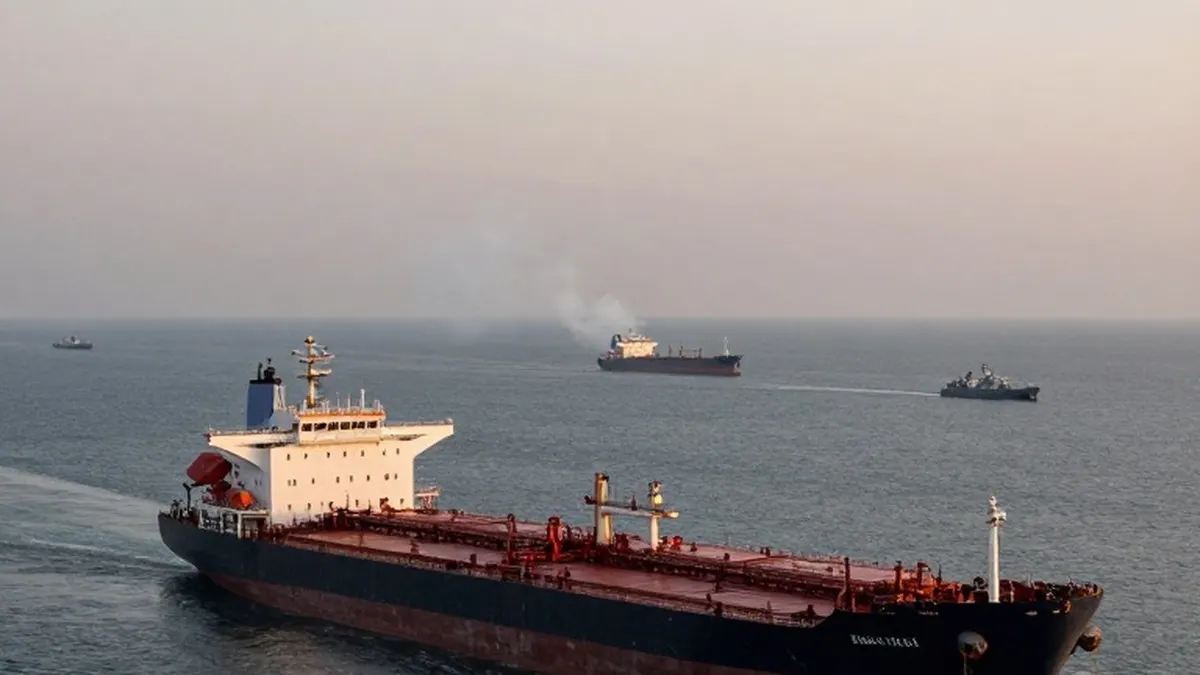
Rezaei stated that Iran was not currently conducting negotiations with the Americans. He noted that Tehran remained committed to a seven point proposal outlined in the summer, which included provisions for reopening the Strait of Hormuz. The IRGC reported on Tuesday that three oil tankers had caught fire after striking mines in the strait, highlighting the continued volatility in the region.
Despite the Iranian claim that no talks were active, Rezaei said that Iran’s conditions had been communicated to Washington. He described the initial American response as insufficient and deceptive, adding that Tehran was still waiting for a clear and explicit reply.
US Secretary of State Marco Rubio offered a direct rebuttal to Iran’s demands on Tuesday. Speaking to reporters during a G7 foreign ministers' meeting in Paris, he labeled the Iranian terms as absurd and not serious. Rubio argued that Iran should be the one paying reparations for destabilizing the region for long periods, rather than demanding them.
The secretary noted that Iran was demanding large amounts of cash, which President Trump had already indicated would not happen. The two nations remain at odds over the Islamic Republic’s nuclear program and control of the Strait of Hormuz. Financial considerations played a major role in the June memorandum of understanding, a framework for a final settlement that ultimately collapsed over Iran’s desire to control traffic through the strait and impose fees.
Rubio explained that the administration is not rushing to strike a deal because it believes it holds the upper hand in the waterway. Both sides have imposed competing blockades. While Iran has attacked commercial ships linked to US Gulf allies, the United States is providing military escorts for vessels leaving the area. Rubio characterized the Iranian strikes as a nuisance rather than a decisive battlefield victory that would force US concessions.
Regarding oil flows, Rubio stated that on some nights, 80 to 85 percent of pre conflict volumes were exiting the strait. He attributed the gap to the fact that Iranian oil was consistently the only petroleum product not getting out. This dynamic has influenced market expectations, with oil prices dropping significantly after the Democrats took control of Congress, leading investors to expect constraints on further US military action.
Brent crude, the international benchmark, fell almost 15 percent in the week leading up to Tuesday, closing at $91.37 per barrel. US gas prices, however, saw a smaller decline of only four percent over the same period. Gulf partners are preparing for an uncertain environment where sporadic strikes continue without a formal settlement, a situation that could deter investment. Saudi Arabia is also dealing with intense missile and drone attacks from Yemen’s Houthis.
Rubio dismissed concerns that Gulf states were facing an economic crunch, pointing instead to the severe pressure on Iran. He described the US strategy as an economic war on Tehran, noting that the administration believes it is achieving its objectives through financial means without the need for major combat operations.