Rubio claims US economic strategy eliminates need for Iran combat
The US Secretary of State stated that sanctions and naval blockades are successfully pressuring Iran, reducing the necessity for military strikes.
By Hiroshi Ferrari ·
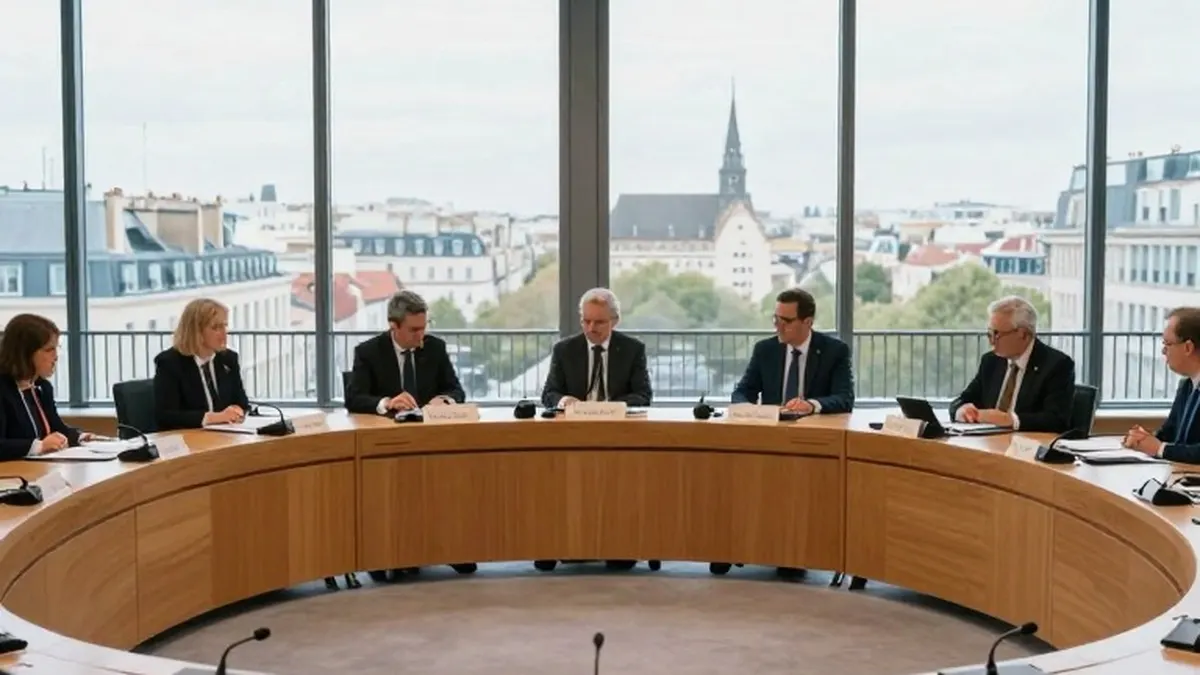
US Secretary of State Marco Rubio told reporters in Paris on Tuesday that he briefed G7 allies on the effectiveness of American economic measures against Iran. Rubio explained that the combination of sanctions and a naval blockade is functioning so well that President Donald Trump no longer feels the need to launch major combat operations. The Secretary of State emphasized that the current approach is achieving significant results without the need for kinetic military engagement.
Rubio actively rejected the idea that avoiding military action represents a stalemate or a return to the status quo. He described the economic pain being inflicted on Iran as extraordinary and noted that this pressure compounds over time. According to Rubio, the impact is growing daily, a view that has been corroborated by regional allies in the Middle East who have provided similar assessments to the President.
"We don't need to conduct military strikes if we're achieving the same objective through economic means and economic pressure. That's not a stalemate," Rubio said. He further highlighted that Iran has never previously faced such a significant inability to sell its energy products in the global market as it does today.
These comments follow remarks made by President Trump on Monday, where he indicated a plan to postpone military strikes. Trump cited appeals from regional countries, including discussions with Qatar's prime minister at the White House, as factors in his decision. The President stated that he did not believe military action was currently necessary, although he maintained that the US remains prepared to act if circumstances change.
"At this point, taking the military action doesn't seem to be a very necessary thing. But we're locked and loaded, ready to go for any reason that changes," Trump said. This stance reflects a broader consensus among some of his top advisers who favor economic pressure over direct military confrontation.
A person familiar with the administration's thinking noted that newly installed White House chief of staff Stephen Miller and Treasury Secretary Scott Bessent prefer the economic route. While Vice President JD Vance favors reaching a deal with Iran, the President is currently convinced that a tenable agreement is not possible at this stage. The White House did not respond to requests for comment regarding the internal dynamics of this decision-making process.
The political implications of the conflict have become apparent following last week's midterm congressional elections. Trump acknowledged that the Iran war was one reason for the Republican defeat. Vice President Vance, who is viewed as a potential successor when Trump's term ends in two years, was more direct in his assessment, stating that the war was the primary reason for the loss.
The United States has maintained sanctions against Iran for decades, primarily targeting the country's oil revenue, its acquisition of weapons components, and funding for business enterprises controlled by the Islamic Revolutionary Guard Corps. While Tehran had previously weathered these sanctions, the recently imposed naval blockade has caused severe economic damage to the Iranian economy.
Despite the intense pressure from Washington, Iran's top security official Mohsen Rezaei stated that there are currently no negotiations taking place between Tehran and the US. Rezaei made these remarks during an interview with the pro-Iran broadcaster Al-Mayadeen, highlighting the current diplomatic silence between the two nations.