Ukrainian Foreign Minister Calls for Joint Resistance to Moscow's Narrative
Andrii Sybiha urges Ukraine and Poland to strengthen their bond and continue resolving historical disputes, particularly regarding the Volyn tragedy, to prevent Russia from exploiting past divisions.
By Larissa Bell ·
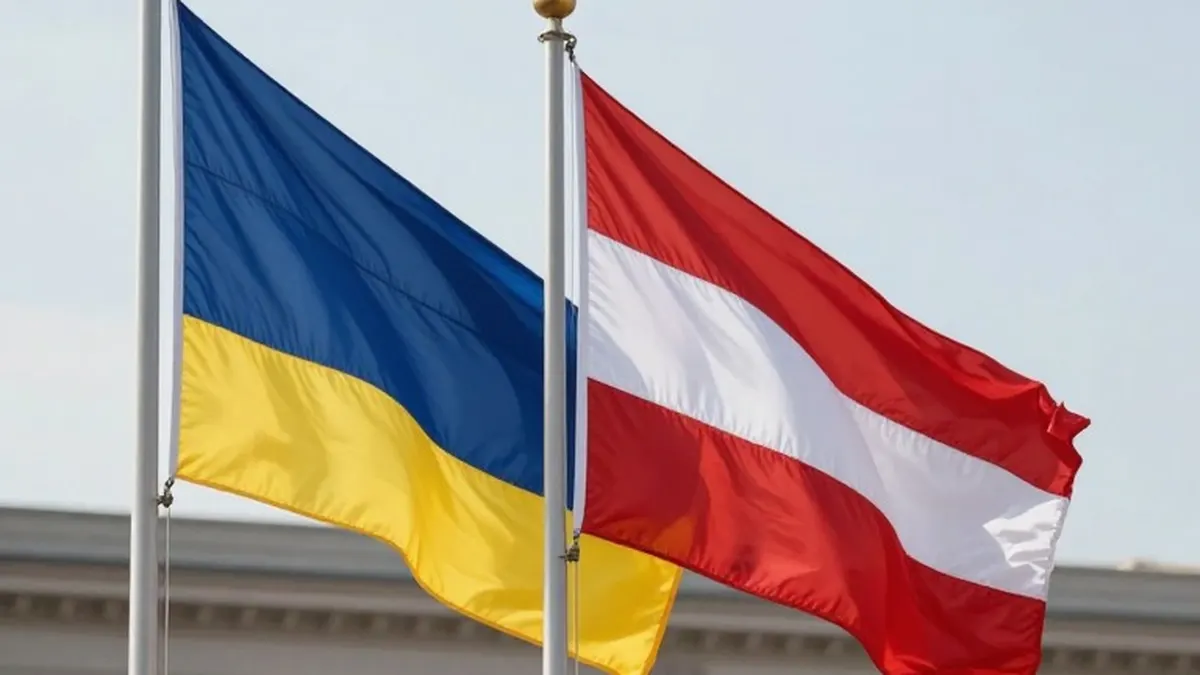
Ukrainian Foreign Minister Andrii Sybiha has called on Warsaw and Kyiv to maintain their mutual trust and resist efforts by Moscow to undermine the relationship between the two nations. Speaking to the Polish newspaper Rzeczpospolita, the minister highlighted significant progress in addressing complex historical issues, emphasizing that both countries are determined to define the substance and tone of their partnership independently.
Sybiha argued that the Kremlin is actively trying to diminish the importance of the initial months following Russia's full-scale invasion. According to the minister, Russia aims to sow doubt among citizens and convince them that the previous solidarity was a mistake. He stressed that both nations are wise enough to see through this strategy and have sufficient respect for one another to withstand it. The minister noted that the two countries will decide their own path without surrendering that right to an enemy.
The foreign minister acknowledged that heated debates are a natural component of any democratic society. However, he warned that anti-Ukrainian rhetoric should not be used as a tool for political struggle. Sybiha observed that Moscow is counting on these internal divisions to weaken the region. His goal is for Ukraine to unite people across all European countries rather than becoming a source of division.
A central part of the discussion concerned the Volyn tragedy, which Sybiha described as a deep wound for both nations. He noted that many Poles expect an objective view of the events from that era, along with proper commemoration of victims and the burial of their loved ones. He also reminded the audience that Ukrainians remember those who died or were forcibly deported during the same period. The minister insisted that the memory of one nation should not undermine the memory of the other.
Sybiha stated that these shared principles have allowed both countries to move from general declarations to concrete actions. He claimed that historic progress has been made, with efforts in this area reaching an unprecedented scale for the first time. The minister emphasized that the Kremlin must not be allowed to cynically exploit the pain of families affected by past violence and deportations.
Resolving difficult historical issues does not imply forgetting, Sybiha explained. Instead, it requires the courage to seek the truth. He referenced Pope John Paul II, who called on both nations to prioritize what unites them over what divides them. This sentiment, the minister concluded, remains a guiding principle for the current diplomatic efforts.
Recent developments have supported these diplomatic statements. In July, Ukrainian President Volodymyr Zelenskyy announced that archives from the Security Service of Ukraine and the Foreign Intelligence Service of Ukraine, related to the events in Volyn, would be opened to researchers. This move was intended to provide greater transparency into the historical record.
Following the archival announcements, practical steps were taken in August when Ukrainian and Polish experts completed exhumations at the sites of the former villages of Ostrivky and Volia Ostrovetska. These joint efforts demonstrate the tangible commitment to addressing the past while strengthening the current alliance against the common threat posed by Russia.
The remarks by the Ukrainian foreign minister underscore the importance of historical reconciliation in the broader context of the ongoing war. By working together to clarify the past, Ukraine and Poland aim to build a stronger foundation for their future cooperation and regional stability.
As the two nations continue to navigate these sensitive topics, the focus remains on ensuring that the lessons of history are used to foster unity. The collaboration between Kyiv and Warsaw serves as a model for how neighboring countries can handle difficult legacies while facing external challenges.