Polish survivors urge German society for aid as reparations talks stall
Victims' groups in Poland are calling on German citizens and organizations to provide direct financial support to remaining Nazi persecution survivors while official government negotiations remain unresolved.
By Hiroshi Ferrari ·
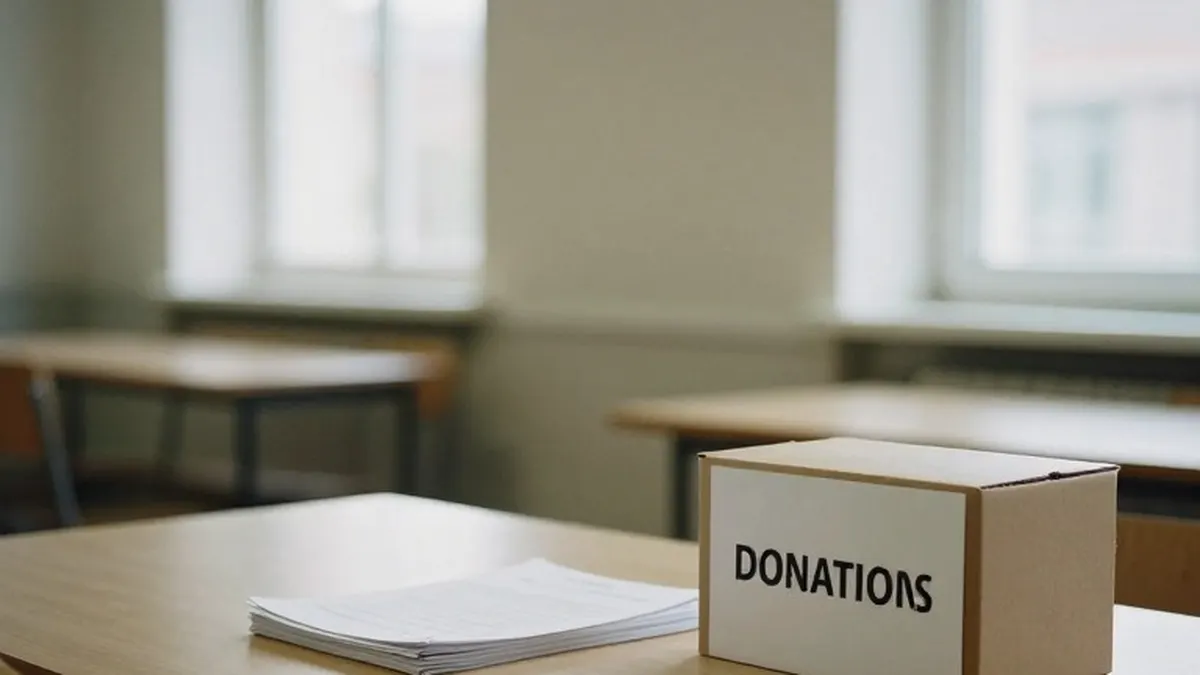
Polish victims' organizations have issued a poignant appeal to German civil society, urging them to provide humanitarian support to the remaining survivors of Nazi persecution. The open letter, published on November 5 on the website of the Foundation for Polish, German Reconciliation, highlights the urgent need for assistance among an aging population. The signatories noted that approximately 50,000 survivors continue to live in Poland, including former concentration camp inmates, prisoners, and individuals who were deported for forced labor.
The organizations emphasized that many of these survivors are now over 90 years old and face increasing challenges from illness and rising living costs. The appeal, distributed in German, Polish, and English, warned that further delays in providing aid could mean help arrives too late for many individuals. While the German government has acknowledged its moral responsibility, a formal decision on federal reparations has yet to be made, prompting the groups to seek direct support from businesses, foundations, and private citizens.
The issue of war reparations has strained German-Polish relations for decades. Following the democratic transition of 1989 and German reunification, the federal government provided 500 million deutschmarks to Holocaust victims in Poland, supporting more than one million people. Additionally, former forced laborers received payments from the EVZ Foundation. Despite these measures, many in Polish society view the compensation as insufficient given the scale of the atrocities committed during the war, which resulted in the deaths of an estimated six million Polish citizens, including three million Jews.
Poland's right-wing Law and Justice Party made reparations a central policy goal after coming to power in 2015. The government estimated the country's war losses at 6.2 trillion zloty and officially demanded this sum from Berlin in October 2022. Since the center-left government led by Donald Tusk took office in December 2023, Warsaw has distanced itself from the specific monetary demand but continues to expect a creative solution from Germany. Foreign Minister Radek Sikorski has indicated that Poland is looking for such a resolution.
Negotiations have remained difficult, with former German Chancellor Olaf Scholz's offer of 200 million euros in the summer of 2024 being rejected by Tusk as inadequate. Subsequent talks have not yielded a final agreement. In a declaration following government consultations in December 2025, Berlin promised to analyze possibilities for additional support. However, as of September 2026, German officials stated that no decision had been made regarding a humanitarian gesture, and the current draft budget reflects this indecision.
Germany's opposition Greens party continues to push for a resolution. Co-chair Franziska Brantner stated that her parliamentary group's request to secure funding for a humanitarian gesture was rejected by the budget committee. She expressed hope that the coalition might change its position during the committee's final review session. Brantner emphasized that the party remains determined to ensure the gesture is implemented.
Public sentiment in Poland remains strong on this issue. A recent German-Polish Barometer survey, conducted for the 25th year, found that 53% of respondents believe the suffering of the Polish people is not sufficiently acknowledged in Germany. Only 18% felt that Germany had done enough to address these historical wrongs. This persistent sentiment underscores the importance of the issue in contemporary Polish society.
The Foundation for Polish, German Reconciliation believes the new appeal may mobilize German civil society to act directly. Following a previous appeal in May, hundreds of Germans donated amounts ranging from 50 euros to several hundred euros. More than 35,000 euros have been collected, allowing for one-time assistance to be provided to several individuals in need. While the foundation's chairman, Jakub Deka, described the amount as a drop in the bucket, he noted that every contribution helps.
The urgency of the situation was highlighted by the recent death of Jerzy Tarasiewicz, a long-time leader of a victims' association in Gdansk. Tarasiewicz, who was born in 1942 on a German farm where his parents were forced to labor, passed away in late September at the age of 84. In a January interview, he had lamented that the Germans were waiting for the survivors to die. Deka said Tarasiewicz's death serves as a painful reminder that the victims can no longer wait for official government action.