Trump seeks Iran war repayment from Israel and Gulf allies
The US president says countries protected by American forces should cover the war’s costs, while analysts expect investment demands rather than direct reimbursement.
By Hiroshi Ferrari ·
United States President Donald Trump says Washington will seek repayment for its war on Iran from countries he says benefited from American protection, explicitly including Israel for the first time. His demand follows midterm election losses for Republicans that Trump has acknowledged were partly driven by public dissatisfaction with the conflict.
In an interview with CBS News correspondent Ross Douthat that aired Sunday, Trump said those countries would cover all American war expenses. He argued that Israel would not have survived without US military intervention against Iran. Trump has since described the war as effectively finished militarily while continuing to defend his decision to launch it.
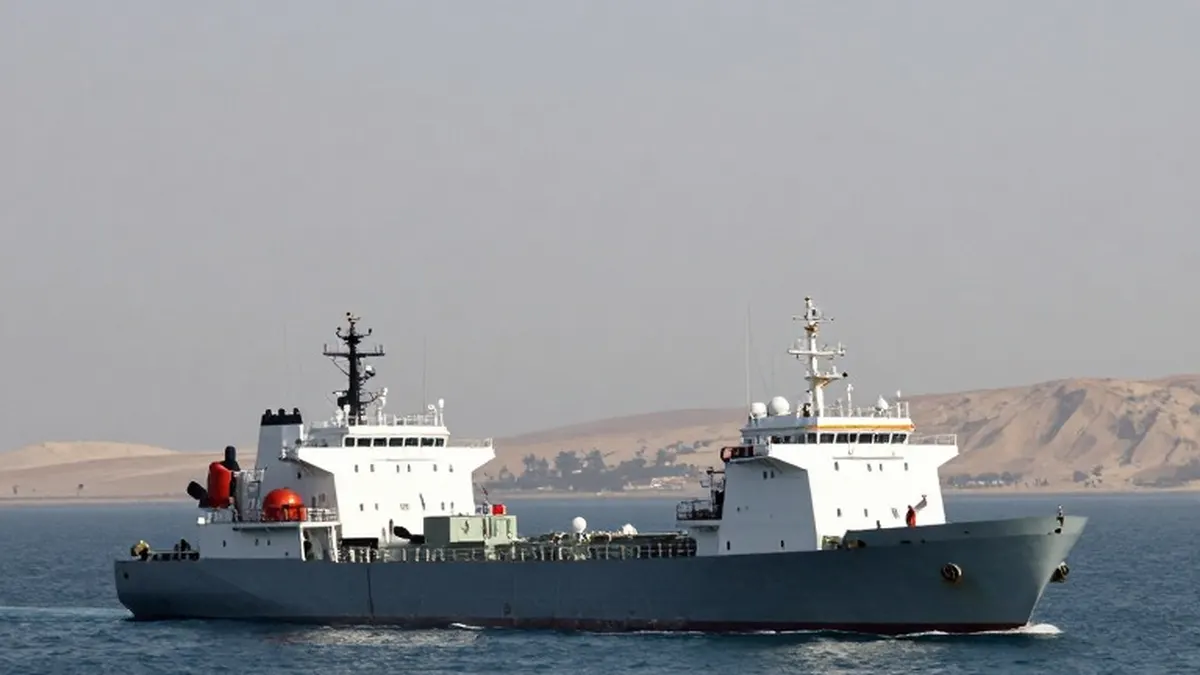
Trump had previously identified Saudi Arabia, the United Arab Emirates, Qatar, Bahrain and Kuwait as countries that should reimburse Washington. In July, he linked that demand to US protection of the wealthy Gulf region, where American forces have escorted vessels around the Strait of Hormuz. Israel joined the US in launching the war, but Gulf countries say Washington did not inform them of its plans. They have faced Iranian retaliation and, through the Gulf Cooperation Council, urged a diplomatic settlement.
The US military put American spending on the conflict at $47.1 billion as of mid-October. That figure excludes repairs to damaged US military bases across the Middle East, leaving the full bill potentially higher. The Congressional Budget Office estimated in September that each additional month of fighting would cost another $2 billion to $3 billion.
Analysts interviewed by Al Jazeera questioned whether the comments would translate into direct demands for payment. Neil Quilliam, an associate fellow at Chatham House, viewed them primarily as a political message. Bader al-Saif, an assistant professor at Kuwait University and a Chatham House associate fellow, said Gulf governments would likely interpret the remarks as aimed at an American audience.
Regional security analyst Stefan Lukas likewise linked Trump’s statements to efforts to redirect attention from the election results. He considered large compensation payments from Arab allies unlikely, but suggested Trump might press Israel for economic concessions. Trump has announced that US aid to Israel will end after this year. Lukas said the president’s position partly reflected his belief that Israel had drawn him into a disastrous conflict.
Repayment could instead be presented through trade and investment arrangements, analysts said. Al-Saif suggested Trump might count existing Gulf investment pledges toward compensation. Farid Boussaid, an assistant professor at the University of Amsterdam, said Washington could seek commercial investment in the US, additional purchases of American weapons and investments involving close associates of Trump’s financial dealings.
Gulf governments would likely resist direct reimbursement demands after sustaining financial losses and damage to civilian and military infrastructure, according to the analysts. Quilliam said leaders could point to their existing defence cooperation, investments and economic partnerships with Washington. Gulf countries also help maintain several major bases used by US forces.
Israel is also unlikely to become a significant financial contributor to Washington, said Marzieh Kouhi Esfahani, an assistant professor at Durham University. Despite continued intelligence sharing and regional security coordination, she said a substantial payment demand would conflict with Israel’s established position as a recipient of American support and its current resource constraints.