From Prototype to Fleet: The Hidden Challenges of the Global Drone Boom
While building drones has become accessible, experts warn that creating reliable, safe, and compliant operational systems requires deep expertise and a focus on human judgment over rapid market entry.
By Hiroshi Ferrari ·
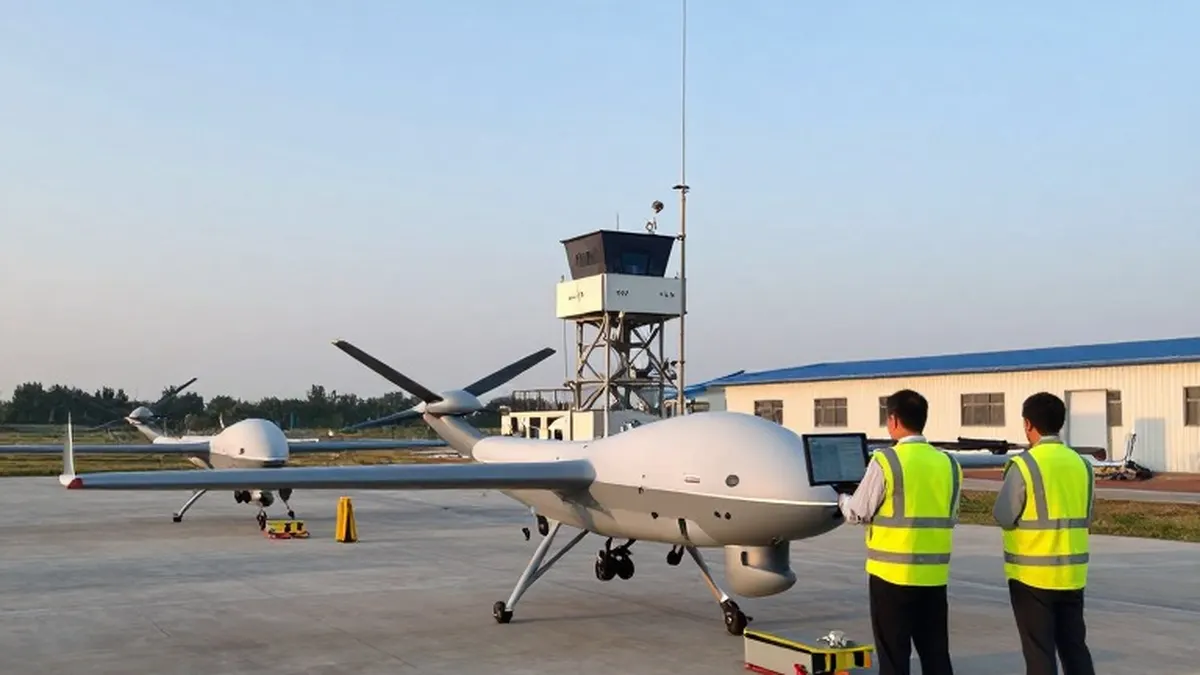
The barrier to entry in the unmanned aerial vehicle industry has lowered dramatically in recent years. Thanks to readily available components, widely shared technical knowledge, and inexpensive development tools, almost anyone can now build and fly a drone. However, the ease of construction often masks a more complex reality. Transforming a simple aircraft into a reliable, safe, and legally compliant operational system remains a significant hurdle for developers and operators alike.
The global race to dominate this sector is intensifying. New companies are entering the market at a rapid pace, substantial investments are flowing into the industry, and traditional defense manufacturers are being compelled to adapt their strategies. Despite this surge in activity, a fundamental gap persists between creating a functional aircraft and delivering a robust operational capability. This distinction is particularly critical in crowded and complex airspace, where both military and civilian traffic must coexist safely.
Bridging this gap requires a multidisciplinary approach. Success depends on deep expertise in aviation, engineering, command and control, safety protocols, and regulatory frameworks. It also demands a thorough understanding of user needs. When organizations feel pressure to reach the market quickly, they often compromise on development and testing phases. Such shortcuts can undermine system reliability and increase safety risks, a concern that grows more urgent as artificial intelligence and autonomy advance in aviation.
The integration of AI into unmanned systems introduces new layers of complexity. Not every task that AI can perform should be entrusted to it. Industry leaders emphasize the need to clearly define where human involvement is required, who holds accountability for decisions, and where the boundaries of autonomy lie. While technology can expand capabilities, it cannot fully replace the value of professional judgment and accumulated experience.
A drone is best understood as a complex system of systems, fundamentally different from traditional missiles or manned aircraft. As these platforms increasingly operate alongside other aircraft and even interact with other unmanned systems, clear professional standards are essential. Experts argue that a drone must be treated as an aircraft, and its operator as a trained pilot, including during operations that extend beyond visual line of sight.
Investors in the sector also need to adjust their expectations. An impressive presentation or a successful flying prototype does not automatically prove technological maturity or commercial potential. Venture capital funds and new entrants should seek guidance from professionals with hands-on experience in drone development, testing, and market integration. Understanding the technology is just as important as financing it.
At the national level, unmanned systems represent a strategic domain that demands sustained investment. This includes funding for human capital, research and development, testing infrastructure, training programs, and regulation. Close cooperation between industry stakeholders and operational entities is vital for long-term success.
In Israel, the establishment of a dedicated branch for unmanned systems within the IDF is viewed as a positive step. However, organizational change must translate into tangible operational capability. A shared professional training framework, potentially led by the Israeli Air Force, is needed to establish common standards, knowledge bases, and professional terminology across all branches that operate unmanned systems.
Ultimately, the winners of this technological race will not necessarily be those who build the fastest drone or secure the largest investments. The true victors will be the countries and companies that succeed in building a complete ecosystem of knowledge, resources, and operational experience. As more systems become unmanned and AI-driven, the importance of the human factor only grows. Leadership, independent thinking, and professional judgment remain essential, making the person behind the drone more critical than ever before.