Duchess of Edinburgh tours Rohingya camps in Bangladesh
The Duchess of Edinburgh visited Cox's Bazar to observe support services for displaced women and children from Myanmar.
By Hiroshi Ferrari ·
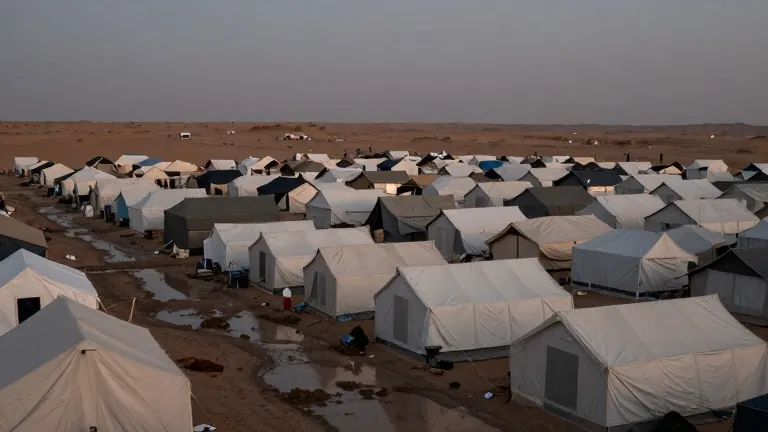
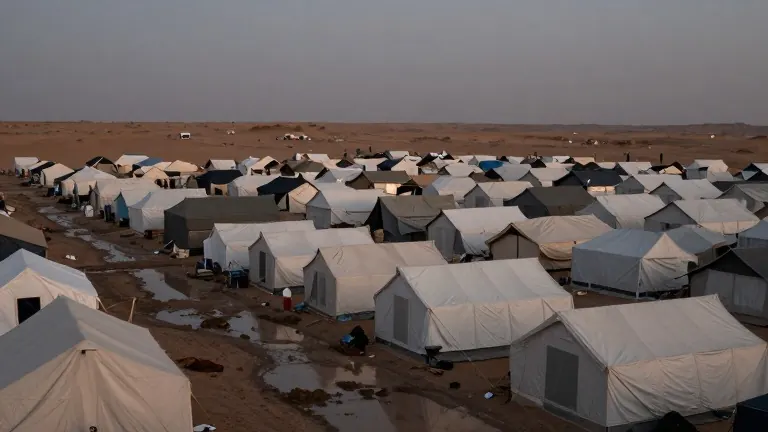
The Duchess of Edinburgh arrived in Cox's Bazar, Bangladesh, to assess the support systems currently in place for displaced individuals from Myanmar. Her visit focused on the extensive refugee camps that have become home to a massive population seeking shelter from conflict.
During her tour, Sophie heard detailed briefings on initiatives designed to assist women and girls. These efforts align with her ongoing commitment to the Women, Peace and Security agenda, as well as the UK's Preventing Sexual Violence in Conflict Initiative.
She spent time in Camp 4, where she met with local children. The duchess took the opportunity to learn about their educational progress and daily experiences while living in the camp environment.
Her itinerary included a stop at a learning center operated by Unicef. The visit highlighted the importance of educational access for young refugees who have been displaced from their homes.
Sophie also visited a Women and Girls' Safe Space. This facility is managed by the International Organisation for Migration and provides a secure environment for residents to gather and access resources.
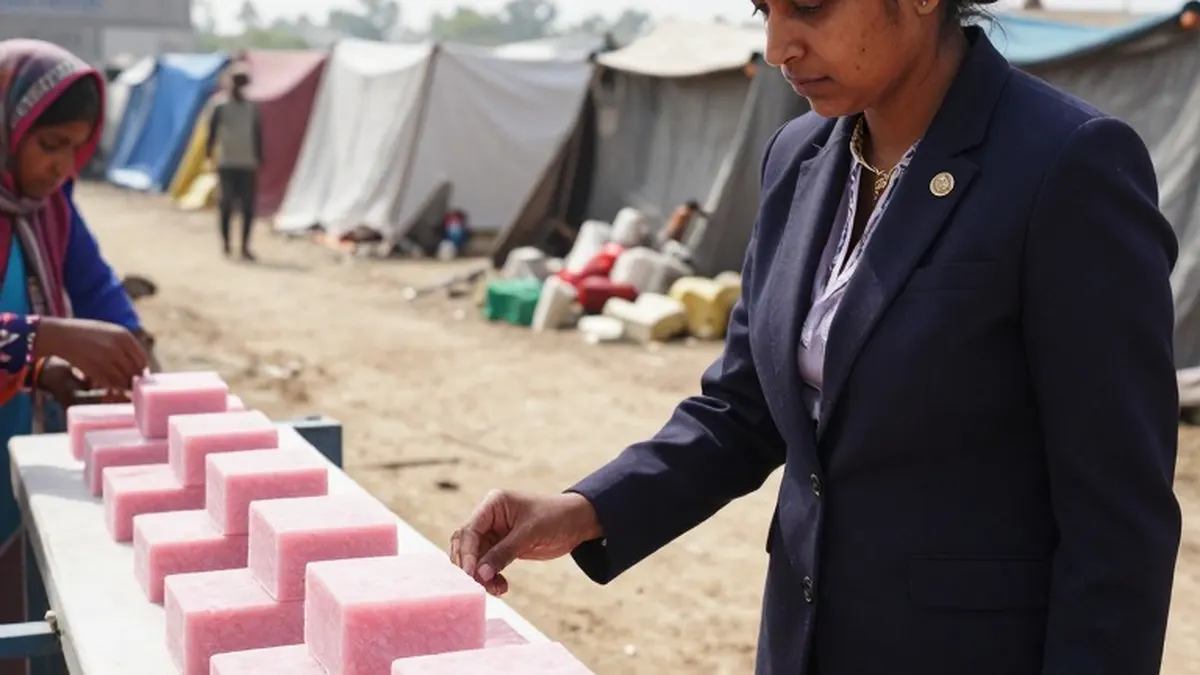
A key part of the tour involved observing a soap factory located within the camps. The facility is run by the Programme for Helpless and Lagged Societies, a non-governmental organization based in Cox's Bazar. The group works extensively with Rohingya refugees and vulnerable host communities.
The purpose of this specific visit was to demonstrate how livelihood programs can enhance the economic empowerment and self-reliance of Rohingya women. In areas where access to formal employment is restricted, such initiatives offer crucial alternative income streams.
The Duchess of Edinburgh participated in the production process by handling the soap. She watched as the pink blocks were manufactured and cut into individual units, gaining a practical understanding of the work involved.
The visit underscores the scale of the humanitarian situation in the region. Since 2017, more than 1.2 million Rohingya refugees have fled persecution and violence in Myanmar's Rakhine State. They have moved to the densely populated camps in Cox's Bazar, which is recognized as the world's largest refugee settlement.