Israeli Scientists Use DNA to Activate Synthetic Materials
Researchers at the Weizmann Institute have demonstrated that artificial gels can move and beat rhythmically by manufacturing their own motor proteins from DNA instructions.
By Larissa Bell ·
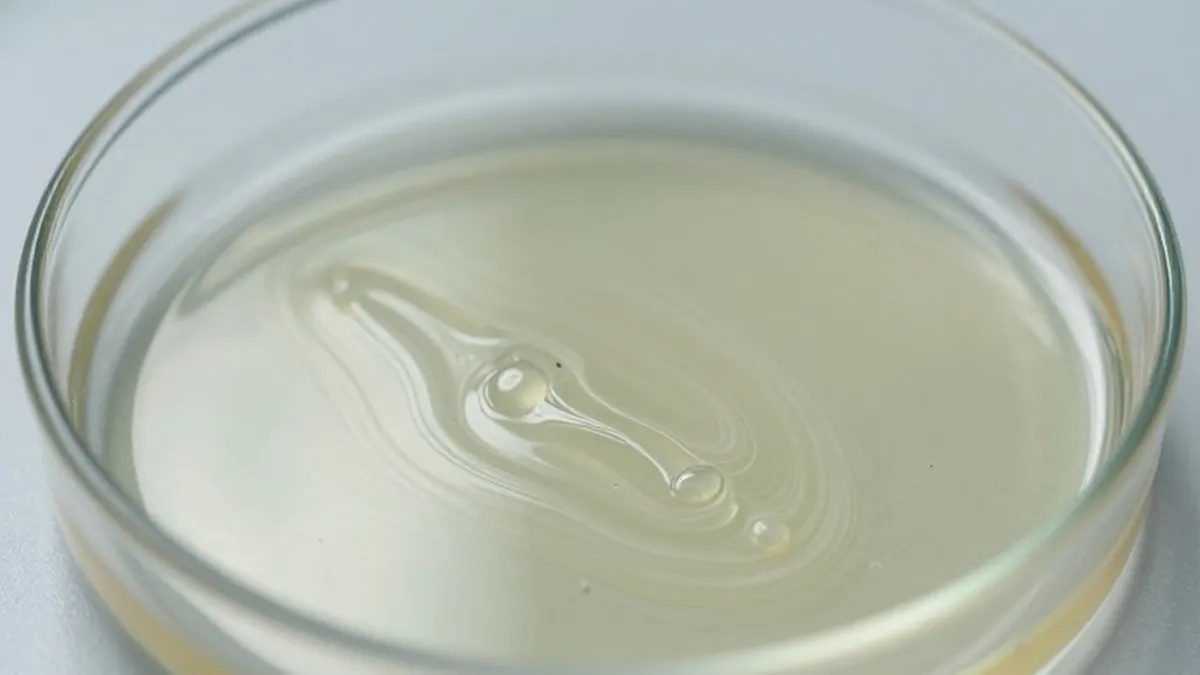
Scientists at the Weizmann Institute of Science in Israel have developed a method to bring non-living matter to life using DNA. The team created artificial materials capable of moving, changing shape, and beating in a rhythmic pattern. This breakthrough could lead to advanced medical therapies that target specific diseased cells, as well as soft robotics for internal devices and flexible prosthetics.
The work was led by Dr. Alexandra Tayar from the Chemical and Biological Physics Department. The findings were published in two separate peer-reviewed studies in the journals Nature Materials and Nature Physics. Tayar stated that the research could eventually allow for the design of active materials equipped with a genetic code. This code would enable the materials to change their own structure and function on demand without external input.
In the study published in Nature Materials, a team led by doctoral student Rochelle Silverman and staff scientist Dr. Erez Zerbib moved beyond simply mixing ready-made motor proteins into a gel. Instead, they added DNA containing the genetic instructions for these proteins directly into the artificial gel. The gel read the DNA and manufactured the motor proteins internally. As these microscopic engines activated, they pushed and slid protein tracks, causing the fluid to swirl and shift shape.
This approach demonstrates that synthetic materials can build their own moving parts and control their behavior from the inside out. By adjusting the amount and timing of the DNA instructions, the scientists could dictate the speed, start time, and shutdown of the material. To guide the motion, the researchers used specialized chip-patterning techniques to create microscopic channels and ridges in the glass container. These physical boundaries directed the self-powered material along predictable routes.
Silverman noted that the team programmed the material to move briefly before coming to a stop. This mechanism suggests a future where microscopic capsules could assemble their own motors, reach diseased cells, release medicine, and then safely shut down.
The second study, published in Nature Physics, focused on creating rhythmic beats. Researchers led by doctoral students Maya Levanon and Noa Goldberg introduced long DNA strands into a gel packed with microscopic motor proteins. As the motors churned, the DNA strands tangled and stretched until they snapped back. This back-and-forth movement created a smooth, rhythmic beat without the use of computer chips, batteries, or metal gears.
Levanon described the team as amazed to see such rhythmic waves emerge. She noted that the pulses became stronger as the DNA web grew denser and more tangled. For this coordinated motion to occur, the DNA strands needed to be long enough to connect neighboring swirls of fluid. The team also collaborated with physicists from the Technion Israel Institute of Technology to understand the role of the container's size.
Goldberg explained that the size of the waves was determined by the boundaries of the container, increasing in direct proportion to the vessel's dimensions. The speed of the beats depended on the number of tiny motors present. A minimum number of motors was required to tangle the DNA enough to start the cycle. Levanon explained that the oscillations arise from a delayed response of the DNA network, which stretches for about ten minutes before contracting and sweeping the material in the opposite direction.
These findings suggest that organized, synchronized motion from polymer networks could help nanomedicines penetrate biological barriers. Tayar highlighted that viscous mucus in the airways and reproductive organs is rich in polymers. While swimming through such fluids might seem difficult, the research suggests these molecular chains may actually synchronize motion in nature, making it more efficient. Tayar expressed hope that combining these tools will lead to smarter materials, including soft robots that change shape precisely and therapies that reach target cells more effectively.