Netanyahu urges national unity as 26th Knesset convenes amid security threats
Prime Minister Benjamin Netanyahu called for a national unity government at the opening of the 26th Knesset, warning against coalitions dependent on parties he believes seek to undermine Israel's Jewish identity.
By Larissa Bell ·
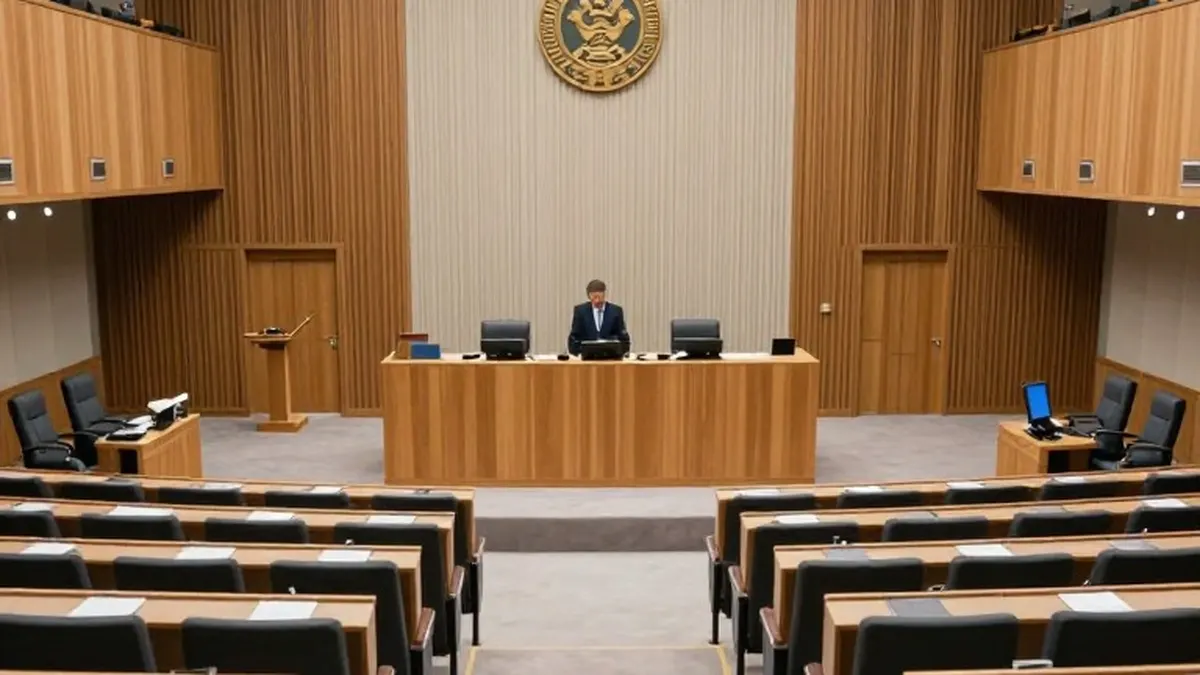
Interim Prime Minister Benjamin Netanyahu addressed the newly sworn-in members of the 26th Knesset on November 10, 2026, from the Chagall State Hall. Speaking at the opening of the new legislative term, Netanyahu emphasized the gravity of the current geopolitical landscape, describing it as a time of significant threats to the State of Israel.
He highlighted the ongoing struggle with Iran, noting that despite significant military strikes on the country's nuclear program and military infrastructure, Tehran remains committed to its nuclear ambitions. Netanyahu argued that the only permanent solution to this existential threat is the removal of the current regime. He credited the resilience of the Israeli public and the decisive actions of the government for achieving major strategic victories, including the elimination of key figures in the so-called Axis of Evil.
Looking ahead, the Prime Minister warned that Israel faces increasing international pressure to accept a nuclear-armed Iran and to withdraw from security zones in Syria, Lebanon, Gaza, and Judea and Samaria. He expressed concern that external forces may seek to impose a Palestinian state, which he described as potentially being Iranian-sponsored and aimed at undermining Israel's existence.
In response to these challenges, Netanyahu called for the formation of a national unity government. He argued that a narrow coalition would be insufficient to handle the magnitude of the threats facing the state. He specifically cautioned against forming a government dependent on Arab parties, particularly Raam and the Joint List, citing their ideological stances as incompatible with the preservation of the Jewish state.
Netanyahu quoted several members of these parties, including Mansour Abbas and Walid al-Huashla, to illustrate what he viewed as their fundamental opposition to Israel's Jewish character. He referenced statements about the 'democratic caliphate' and the concept of taqiyya, suggesting that these parties use diplomatic language as a cover for their true objectives. He noted that while these parties claim to seek social welfare improvements, their national ambitions remain focused on the destruction of the Jewish state.
The Prime Minister also addressed the Haredi parties, urging them to avoid a narrow government led by the left. He stressed the importance of preserving Israel's Jewish identity and the sanctities of the land, calling for broad consensus on issues such as the conscription law and the status of Torah students. He warned that promises made by a left-leaning government would likely evaporate once it was formed.
Netanyahu also called for a full investigation into suspicions of foreign actors influencing the recent election results, requesting that restrictions placed by the Attorney General be lifted. He emphasized that the new Knesset has a responsibility to ensure the future security and existence of the country through unified leadership.
Concluding his address, Netanyahu invoked the historical dreams of generations of Jews to establish a permanent state in the land. He reiterated that a national unity government, encompassing all parties committed to preserving a Jewish state, is the necessary path forward to ensure security, expand peace with neighbors, and achieve internal stability.