NASA sets $164,395 starting salary for new moon-bound astronaut class
The agency seeks candidates with master's degrees and three years of experience to support a 2028 lunar return.
By Larissa Bell ·
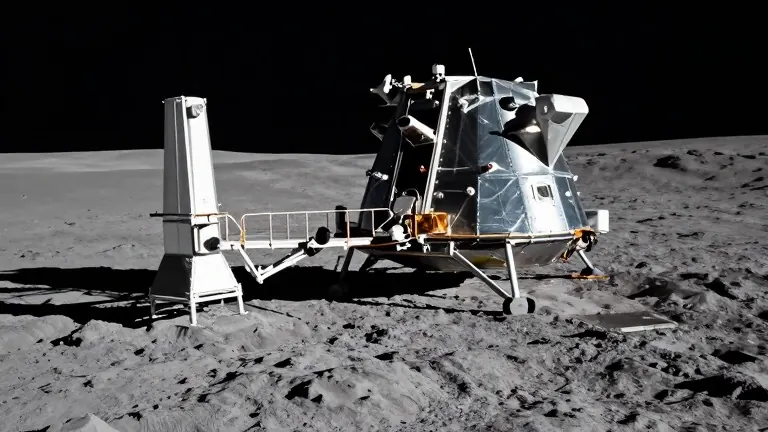
NASA is accepting applications for its next astronaut class with a specific mandate to live and work on the Moon. Administrator Jared Isaacman announced the opening on Saturday, noting that selected candidates will test spacecraft and operate within a future lunar base. The agency aims to return humans to the lunar surface by 2028, marking the first such landing since 1972.
The selection process remains highly competitive. For the most recent recruitment cycle, NASA reviewed more than 8,000 applicants and selected only 10 candidates. The current astronaut corps consists of 32 active members, part of a total 370 individuals selected by the agency since the 1960s. Isaacman stated that the new missions will demand technical excellence, sound judgment, teamwork, and courage.
Applicants must be U.S. citizens and hold a master's degree in a STEM-related field. The agency has recently expanded the definition of STEM to include master's-level nursing degrees. Anna Schneider, a NASA spokesperson, confirmed that nursing degrees were previously excluded from the minimum educational requirement. This change allows candidates with advanced nursing training to qualify for the program.
In addition to education, candidates generally need three years of related professional experience after completing their degree. NASA may waive these requirements for individuals currently in PhD programs in STEM, practicing doctors, or pilots with extensive flight experience. There is no official age limit for applicants. The application deadline is December 3, and the starting salary for the position is $164,395.
Selected astronauts will undergo two years of training. The curriculum will prepare them for difficult assignments, including landing near the Moon's South Pole. To achieve its 2028 goal, NASA is relying on private partners such as Blue Origin and SpaceX to develop the necessary spacecraft and systems. Isaacman expressed confidence on November 7 that the Artemis III mission will launch in 2027.
The agency’s focus on lunar habitation marks a shift from previous exploration goals. While the 2028 target date has been a subject of scrutiny, the reliance on commercial partners aims to accelerate development. The new class will join a corps that has operated continuously since the mid-20th century, expanding the pool of specialists available for deep space operations.