Murder of Ecuadorian journalist highlights growing dangers in the region
The killing of Tomás Beltrán in Manabí has intensified calls for better protection of the press as Ecuador faces a surge in gang-related violence.
By Larissa Bell ·
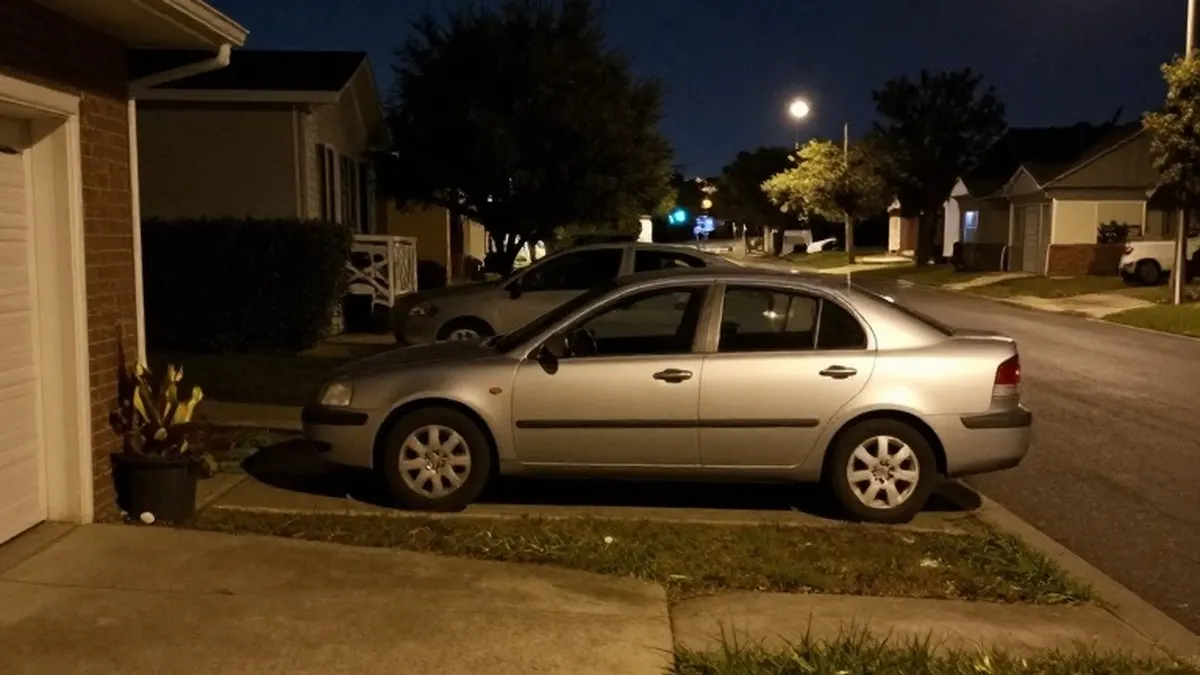
Tomás Beltrán, an Ecuadorian journalist, was shot and killed on Sunday night while maneuvering his vehicle into his garage. Beltrán operated a popular Facebook page that covered local news in Calceta, a small city in the Manabí province. This area, situated along the Pacific coast, has become a significant focal point in the ongoing gang warfare over drug trafficking routes. This conflict has fundamentally altered the security landscape of a country that was once considered among the safest in Latin America.
Authorities, including police and the public prosecutor’s office, have provided limited details regarding the incident. The only confirmed information is that the assailants were armed and fled the scene immediately after the shooting. It remains unclear whether the murder was directly connected to Beltrán’s professional activities, although he had previously reported on allegations of corruption involving local officials.
The incident has been cited by various press freedom organizations as the latest evidence of the rapidly deteriorating conditions for journalists in Ecuador. The previous year saw the deaths of six journalists in the country. Artur Romeu, the Latin America director for Reporters Without Borders, noted that Beltrán had informed the organization months prior about the threats he was receiving and his resulting fears.
Romeu stated that the organization participated in efforts to secure Beltrán’s safety. The journalist had been enrolled in a protection program managed by the public prosecutor’s office, though it is not yet known if that protection was active at the time of his death. Romeu urged the prosecutor’s office to prioritize the investigation into any link between the crime and Beltrán’s work, identify potential masterminds, and ensure the safety of his family and colleagues.
The civil society group Fundación Periodistas Sin Cadenas reported that at least 19 journalists have been forced into exile since gang violence escalated in 2023. Although Ecuador does not produce cocaine in the same volume as its neighbors Colombia and Peru, it has emerged as a major hub for trafficking, particularly through Pacific ports. Journalists have increasingly received death threats, including photographs of their homes and detailed information about their daily routines and family members.
María Fernanda Almeida, a project coordinator at the foundation, described journalism in Ecuador as an extremely high-risk profession. She highlighted that all of last year’s killings of journalists remain unpunished. Almeida also pointed to self-censorship as a severe consequence of the violence, noting that in coastal provinces, colleagues are increasingly reluctant to report on violent events.
The stance of the government under far-right president Daniel Noboa has also posed challenges for the press. Noboa has adopted a controversial iron-fist approach to gang violence, frequently declaring states of emergency and expanding the role of the armed forces. These measures have drawn widespread criticism from human rights groups.
Reporters covering military operations have faced various obstacles, including the confiscation of their phones, a search warrant executed at one reporter’s home, and threats from soldiers for filming them stop university students. Additionally, there have been reports that Noboa, a key ally of US President Donald Trump in Latin America, has pressured media organizations to dismiss critical journalists. Columnist Roberto Aguilar claimed he was fired from the newspaper Diario Expreso after the government reportedly threatened private advertisers with audits.
The administration of President Noboa did not respond to requests for comment regarding the recent developments. Almeida expressed concern over the current state of expression in the country, stating that the combination of violence and silencing makes the work of journalism all the more necessary.