Khor Mor drone strike exposes concerns over Iraq’s energy security
An attack that disrupted gas supplies and electricity generation in Iraq’s Kurdish region has intensified concerns about armed factions, political divisions and regional conflict.
By Larissa Bell ·
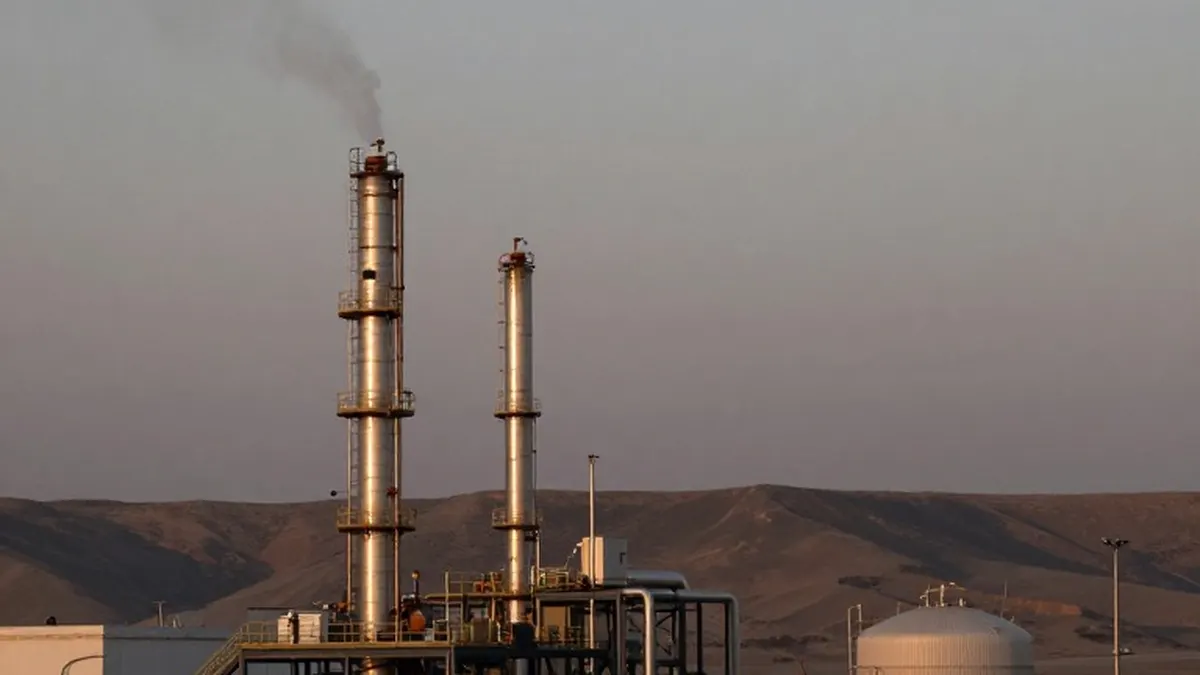
A drone strike on the Khor Mor gasfield in northern Iraq has renewed concerns about the protection of energy infrastructure as regional conflict and domestic disputes over armed groups put pressure on Baghdad. The attack occurred late on Sunday in Sulaimaniyah governorate, within the semi-autonomous Kurdish region.
The strike caused a fire and interrupted gas deliveries to several power stations. Regional officials said electricity generation in territory administered by the Kurdistan Regional Government, or KRG, initially fell by between 2,500 and 2,800 megawatts. Iraqi Prime Minister Ali al-Zaidi ordered a joint committee involving federal and KRG authorities to investigate who carried out the attack.
No organisation has claimed responsibility. The incident comes amid heightened tensions surrounding the US-Israel war on Iran and pressure on Baghdad to place weapons held by predominantly pro-Iranian Shia armed factions under state control. Kurdish authorities have attributed earlier attacks on Khor Mor to Iran-backed groups in Iraq, but responsibility for the latest strike remains unconfirmed.
The attack followed the Patriotic Union of Kurdistan’s announcement days earlier that it was withdrawing from the KRG, worsening its political confrontation with the Kurdistan Democratic Party. Mohammed Amer, a political science academic and KDP member, told Al Jazeera that the strike tested Iraq’s capacity to assert sovereignty, restrain armed groups and safeguard essential infrastructure. He said federal authorities were responsible for protecting the country’s territory and airspace and should hold those behind repeated attacks accountable.
Amer also called for faster action to bring weapons under government authority, warning that continued strikes could discourage overseas investment in Iraq’s energy sector. He pointed to previous drone and missile attacks on Khor Mor and argued that factions professing loyalty to Iran raised questions about Baghdad’s ability to exercise control across Iraqi territory.
Strategic affairs researcher Kadhim Yawer linked the attack to the confrontation between Iran and the United States, saying it sought to inflict economic harm on both the Kurdish region and Iraq. He said disputes over militia disarmament and divisions between the Kurdish parties could compound economic pressures. Yawer also argued that the departure of US-led coalition forces had increased security challenges, while opposition among some political figures to fully disarming militias gave those groups greater freedom.
Reuters reported that the drone attack originated in the Tuz Khurmatu area of Salah al-Din governorate, outside the semi-autonomous Kurdish region. Neither that launch location nor the attackers’ identities has been officially established. Political researcher Ghanem al-Abed urged the federal government to identify and punish those responsible.
Al-Abed warned that further attacks could have consequences beyond KRG-administered territory because Khor Mor also supports electricity generation in neighbouring Kirkuk and Nineveh governorates. He said resistance to disarmament heightened the danger of instability and warned that armed factions could draw Iraq into a wider confrontation if fighting between Iran and the United States broke out again.