NTSB Recovers Voice Recorder from Florida Jet Crash Site
The NTSB has recovered the cockpit voice recorder from the Florida jet crash that killed nine, a device that may reveal crucial details about the pilots' final moments in severe weather.
By Larissa Bell ·
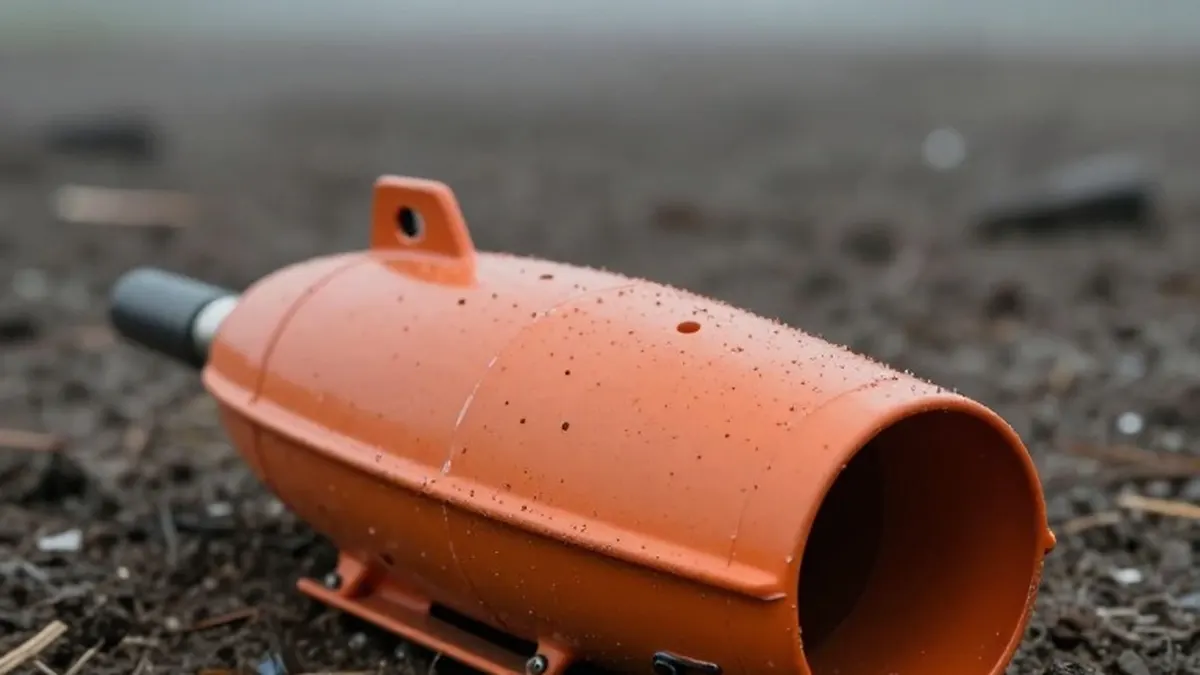
Federal investigators announced on Monday that the cockpit voice recorder from a business jet that crashed in Florida eight days ago has been recovered. The aircraft, a Learjet bound for the Bahamas, fell from the sky during severe weather on November 1, killing all nine individuals on board. The National Transportation Safety Board confirmed the discovery in a statement released on social media, noting that the device was located at the crash site in Palm Beach County.
The retrieval of the recorder is a significant development in the investigation. If the data stored on the device is intact, it may offer critical insights into the final moments of the flight. Specifically, the recording could reveal the communications between the pilots as they struggled with turbulence, ice accumulation on the wings, and the subsequent loss of control over the aircraft.
While the physical location of the recorder has been established, its functional status remains uncertain. The NTSB stated that the device is currently being evaluated at a laboratory in Washington. Early assessments based on photographs released by the agency suggest the unit may be in reasonable condition. Jeff Guzzetti, an aviation safety expert speaking to the Associated Press, observed that the orange-painted metal shell appeared to be in decent shape.
Guzzetti expressed optimism regarding the potential utility of the device. He noted that it is very plausible that the information on the recorder survived the impact. He added that if the data is successfully recovered and confirmed to be from the accident flight, it would be a major asset for investigators seeking to understand the sequence of events.
However, experts caution that the presence of a recorder does not guarantee it was operational. Guzzetti pointed to a previous incident in January 2025, where a medical transport plane crashed in Philadelphia, killing seven people. In that case, the NTSB recovered the voice recorder, but it was later determined that the device had likely not been functioning for several years prior to the crash.
The crash in Florida was captured on video by witnesses, showing the jet plunging nose-first into the ground. Air traffic control transmissions also recorded the disturbing exchanges between the pilots and controllers as they realized their situation was deteriorating. The voice recorder may provide additional context, particularly regarding the flight path. Investigators are interested in why the Learjet appeared to steer around a large storm cell only to head directly into a rapidly developing smaller one.
Physical evidence from the site has already indicated that the aircraft began to disintegrate before hitting the ground. Investigators reported finding pieces of the elevator, a key tail component responsible for controlling the plane's pitch, more than a mile away from the main impact crater. This fragmentation suggests the structural failure started while the jet was still in the air.
During the flight, the co-pilot communicated with air traffic controllers, describing the plane as being thrown up and down by more than 700 feet, or 213 meters. She requested a better route through the area to avoid the severe conditions. The investigation will now expand to include a review of maintenance records and any history of problems associated with the aircraft.
The NTSB will also conduct interviews with officials from Upper Jets, the company that operated the flight, as well as air traffic controllers and personnel from the airport in Austin, Texas, where the plane departed. While the agency typically completes crash investigations within 12 to 18 months, complex cases can take longer. The NTSB, with a workforce of approximately 400, is currently managing more than 1,200 active investigations.