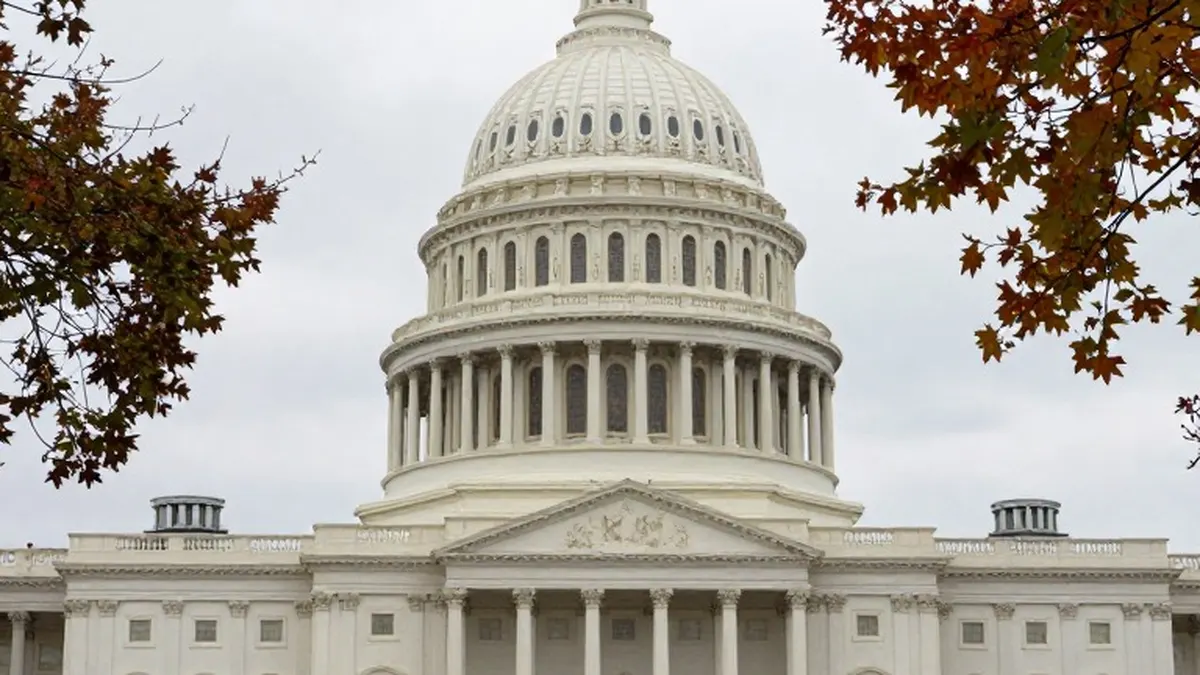
House Oversight Report Details Decades of Failures in Epstein Case
A new 137-page congressional report criticizes federal agencies for systemic negligence that allowed Jeffrey Epstein's crimes to persist, urging the Justice Department to resume key investigations.
By Larissa Bell ·
The US House Committee on Oversight and Government Reform released a comprehensive 137-page report on Tuesday, detailing what members describe as decades of mishandling in the federal government's response to the Jeffrey Epstein sex trafficking case. This document represents the most extensive legislative inquiry into the matter to date, focusing on the actions of authorities in South Florida and Washington, D.C.
The findings of the report condemn federal investigators and prosecutors for alleged negligence that allowed Epstein to continue his abuse from 2005, when his crimes first emerged in Palm Beach, Florida, until his death. Representative James Comer, a Republican from Kentucky who chairs the committee, described the discoveries as both heartbreaking and infuriating. He stated in a video address that the federal government failed the victims at nearly every turn and that much of the abuse could have been prevented had officials fulfilled their duties.
The inquiry, which concluded a 15-month investigation led by the Republican majority, relied on 19 transcribed interviews, subpoenas to various agencies and Epstein's estate, and a thorough review of financial records. The committee concluded that bureaucratic indifference, missed warnings, and compromised plea deals shielded Epstein and his associates while denying justice to survivors. A central point of criticism was the 2007 non-prosecution agreement in South Florida, which the report argued allowed Epstein to plead guilty to lesser state charges and receive a lenient 18-month sentence with work-release privileges.
According to the panel, Epstein continued to abuse women during this period. The report attributes these outcomes to poor judgment and Epstein's influence, while highlighting potential conflicts of interest involving former prosecutors Matthew Menchel and Bruce Reinhart. It notes that former US Attorney Alexander Acosta's hands-off approach left the investigation in the hands of potential Epstein loyalists within the US Attorney's Office for the Southern District of Florida.
The report also scrutinizes the conditions at the Metropolitan Correctional Center in New York, where Epstein died by alleged suicide in August 2019. It cites understaffing and institutional dysfunction as key factors, revealing that guards skipped 12 patrols and three inmate counts. Furthermore, the required 30-minute safety checks were not performed, leaving Epstein's cell in the Special Housing Unit unmonitored for nearly eight hours the night of his death.
Tova Noel, a former correctional officer who conducted Epstein's final cell check, testified that this lapse was simply the norm at the facility. The committee characterized the jail's culture as one where departures from established policies had become routine. To address these failures, the report urges the Department of Justice to re-interview key witnesses and investigate associates accused of criminal activity, including former Miami Beach Mayor Philip Levine and French hairstylist Frederic Fekkai.
The committee is also pushing for legislative changes to protect survivors. Comer stated that Congress must pass legislation allowing individuals with knowledge of sexual abuse to speak freely, regardless of non-disclosure agreements. The panel specifically recommended the passage of the Survivor’s Voice Protection Act and measures to grant survivors access to their unredacted personal files.
In a section addressing potential political conflicts, the report dismissed the committee's Democratic probe into President Donald Trump as an unfounded witch hunt. It suggested that Democrats were obsessed with implicating the president in the crimes of Epstein and his accomplice, Ghislaine Maxwell. This criticism comes as Democrats prepare to take control of the House in January following their victory in the November 3 midterm elections.
California Representative Robert Garcia, the top Democrat on the committee, has already announced his intention to chair the panel. He formally declared his bid in a letter to colleagues on Thursday, setting the stage for a potential shift in the committee's investigative priorities once the new session begins.
The report also raises questions about the transparency of records released under the Epstein Files Transparency Act, which was signed into law in November 2025. The committee noted that the rushed nature of the disclosure led to deficient redaction, which exposed sensitive information belonging to victims. These findings aim to establish a clearer path toward accountability and improved handling of similar cases in the future.