GCC Approves Joint Forward Command Centre in Kuwait
The Gulf Cooperation Council has authorized a new military command post in Kuwait to strengthen regional defense as questions arise about US security commitments during the ongoing conflict with Iran.
By Hiroshi Ferrari ·
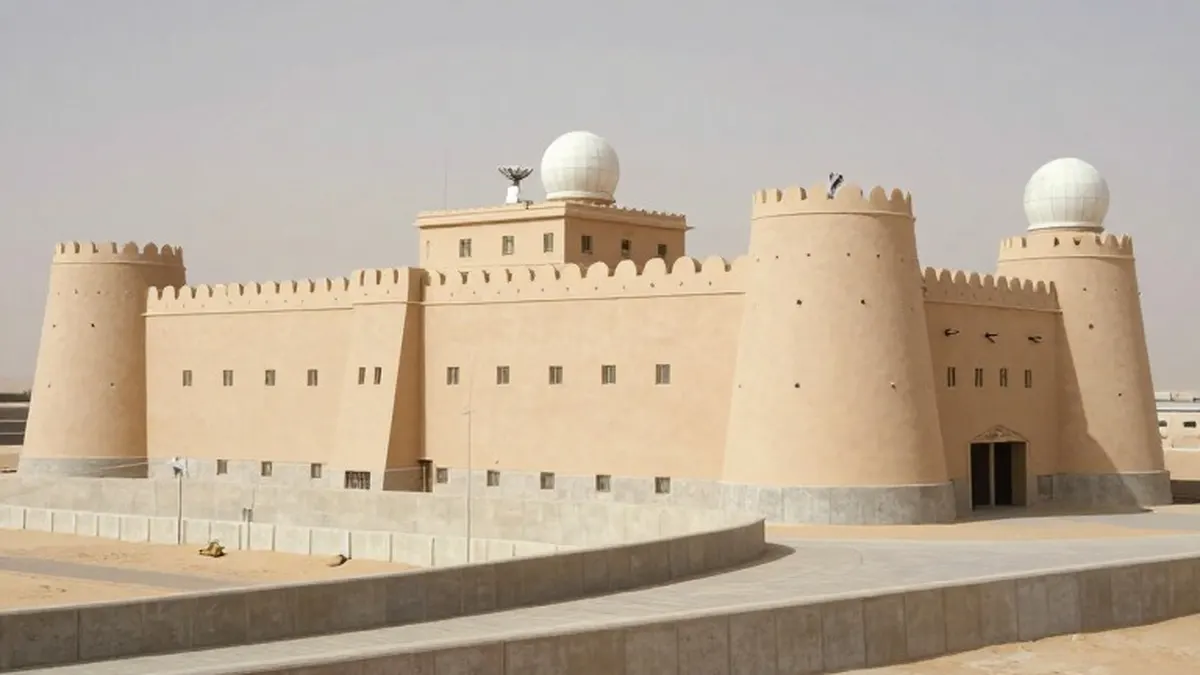
The Gulf Cooperation Council has approved the establishment of a new joint forward-command centre in Kuwait. This decision marks a significant step toward deeper military integration among the six member states. The move comes at a time when regional leaders are increasingly questioning the reliability of United States security guarantees in the midst of the war on Iran.
Kuwait was selected for the new facility despite the country facing severe challenges during the recent conflict. The state endured thousands of missile and drone strikes from Iran and Iraqi militias aligned with Tehran. GCC Secretary General Jasem al-Budaiwi announced the approval in a statement on Tuesday, noting that appropriate forces would be deployed to the centre, though he did not provide further specifics on the operational details.
The organization, which represents the Gulf states, established a joint defence agreement in 2000. That pact stipulates that an attack on one member is considered an attack on all. However, analysts note that the GCC's commitment to collective self-defence has historically been less rigid than that of the North Atlantic Treaty Organization. The new command structure aims to address the lack of a unified military command that has hindered the group's ability to respond to threats from multiple fronts.
Critics point to previous incidents where the GCC failed to mount a coordinated response. The organization did not react when Israel attacked Hamas negotiators in Doha, Qatar, in September 2025. It also struggled to address devastating missile and drone attacks by Houthi forces on Saudi Arabia. These gaps in collective defense have raised doubts about the practical viability of the new command centre, particularly given Kuwait's geographic vulnerability at the hook of the Gulf.
Before the war, Kuwait hosted approximately 14,000 US troops, more than any other nation in the Middle East. The country is home to two major military installations, Camp Arifjan and Ali al-Salem Air Base, both of which came under intense fire from Iranian forces. This raises a strategic question: how can the GCC defend a central command hub if the US military, with its superior resources, struggled to protect its own nearby bases?
In response to shifting security dynamics, Gulf states have turned to other external partners. Saudi Arabia activated the Mecca Pact with Pakistan and Turkey amid Houthi attacks, while the United Arab Emirates has strengthened its security relationship with Israel. For over half a century, the US has been the primary security guarantor for the region, but that role has been scrutinized following the US-Israeli war on Iran.
Gulf leaders from Saudi Arabia, Qatar, and the UAE lobbied the US against initiating the attack on Iran, but their pleas were largely ignored. In retaliation, Iran targeted Gulf states hosting US military bases. Many regional analysts now view the presence of American troops as a liability, making their host countries more attractive targets. Oman, which has no permanent US military presence, was the least affected Gulf state during the conflict.
A report by the US Department of War’s inspector general, published in September, highlighted the extent of the damage. It stated that hundreds of buildings and structures at US bases in Kuwait, Bahrain, Qatar, the UAE, Saudi Arabia, Iraq, Oman, and Jordan were damaged or destroyed by Iranian strikes. Current and former US officials suggest that the war exposed significant vulnerabilities in the strategy of positioning bases close to Iran, with some facilities unlikely to be rebuilt.
David Petraeus, a former CIA director and head of US Central Command, told Bloomberg in May that the US is less inclined to occupy these bases after seeing the intensity of Iranian firepower. He noted that the threat level is far greater than during his time as commander. Similarly, General Frank McKenzie, another former head of Central Command, argued in July that the US should relocate its Gulf bases to Israel and neighboring countries. He questioned the logic of keeping the Central Command forward headquarters in Qatar, just 100 miles from Iran, suggesting that the current positioning leaves assets dangerously exposed to missiles and drones.