Former Royal Military Police Officer Admits to Withholding Key War Crimes Evidence
Lieutenant Colonel John Harvey acknowledged before an independent inquiry that he failed to send disturbing photographs of Afghan casualties to experts for analysis during the Operation Northmoor investigation.
By Larissa Bell ·
A former senior investigating officer for the Royal Military Police has admitted to withholding potentially valuable information from a major war crimes investigation. Lieutenant Colonel John Harvey OBE, who served as the Gold commander of Operation Northmoor from 2016 to 2019, appeared before the Independent Inquiry Relating to Afghanistan on Tuesday, 10 November 2026. His testimony focused on specific photographic evidence that he described as not seeming right, yet which he did not forward to specialists for further scrutiny.
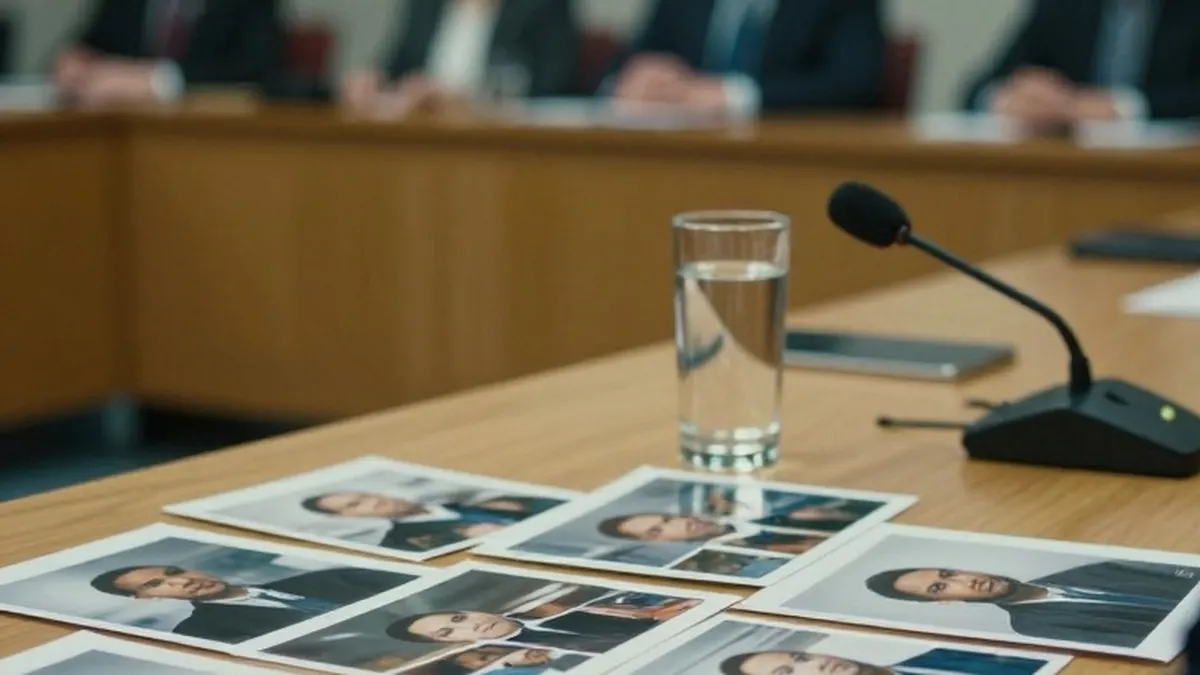
Operation Northmoor was a ten million pound investigation established in 2014 to examine allegations that UK Special Forces had committed executions in Afghanistan, including the killing of children. Despite the scale of the inquiry, the operation ultimately resulted in no prosecutions. During the hearing, the inquiry presented photographs of seventeen dead Afghan men who had been identified in military records as EKIAs, or Enemy Killed in Action.
The casualties were killed during two separate Deliberate Detention Operations in February 2011. The first set of images, taken on 7 February, showed nine men with signs of traumatic bleeding to the face or head. Many of the individuals were lying next to what appeared to be blood-stained pillows. Counsel to the inquiry, Oliver Glasgow KC, noted that while the images presented to the panel were low-quality copies, the original photographs accessed by Lieutenant Colonel Harvey were of JPEG quality.
Mr. Harvey acknowledged that he could have sent the higher-resolution images to experts. He stated that the photographs of dead Afghan males with apparent gunshot wounds to the head cried out for examination. Despite this admission, he conceded that the images were never submitted for further investigation. This omission occurred even after an SAS member had previously told an officer that the force had a policy of killing all fighting-age males on sight, regardless of the threat they posed.
The second set of photographs, taken on 9 February, depicted eight more EKIAs. Two of these men were lying in corners of a room, with one resting on what appeared to be bedding. A pillow next to his head was heavily stained with blood, and blood spatter was visible on the wall. Under questioning, Lieutenant Colonel Harvey accepted that these details, along with a blanket across one man's chest, could potentially suggest the pair were in bed and possibly sleeping at the time of their deaths.
Mr. Glasgow argued that the lack of further investigation deprived all parties of potentially valuable information that might have cleared the Special Forces of wrongdoing. Lieutenant Colonel Harvey agreed with this assessment. He added that the only reason parties might not want photographs examined is if they do not want the answers to come out. The inquiry continues to review the conduct and findings of the original military investigation.
The testimony highlights ongoing scrutiny regarding how evidence was handled during the initial probe. Lieutenant Colonel Harvey was awarded an OBE in 2020 for his work in this role, the same year he left the army. His admission that the evidence cried out for examination but was not acted upon provides a significant focal point for the current independent review of the Afghanistan war crimes allegations.