Three contract workers killed during maintenance at Indian iPhone parts plant
A fatal incident at a Tata Electronics facility in Tamil Nadu prompts investigations by Apple, Tata, and state authorities.
By Hassan Ellis ·
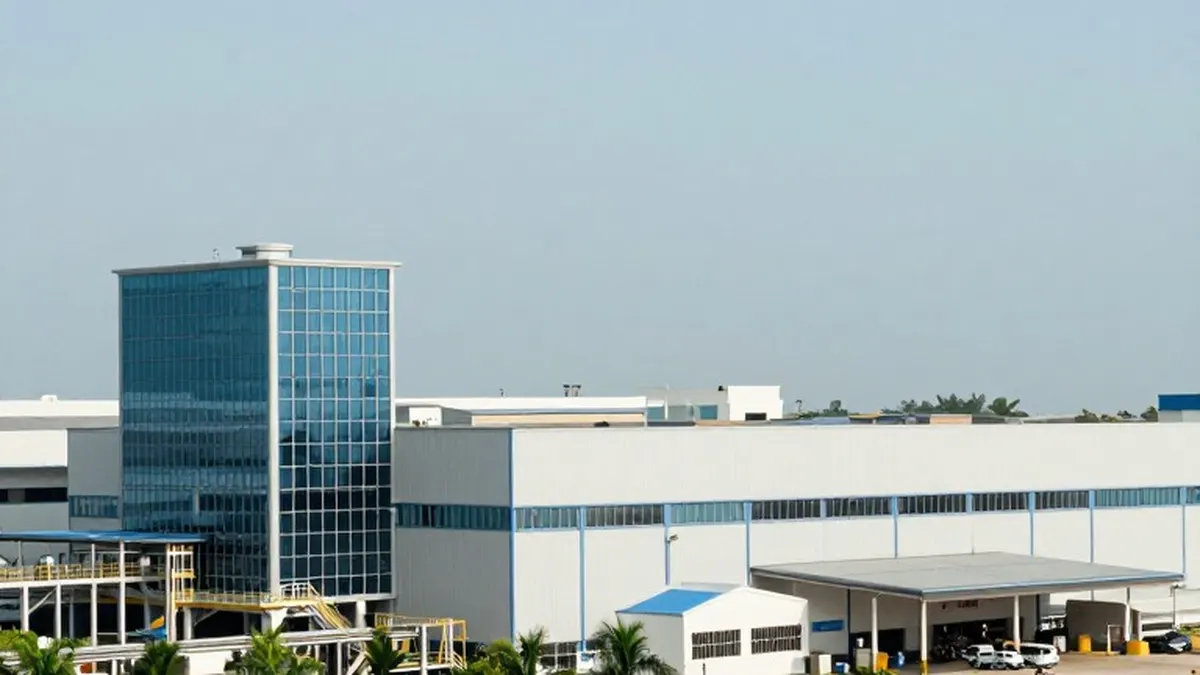
Three contract workers have lost their lives at a Tata Electronics manufacturing facility in southern India, marking the latest significant supply chain incident for Apple in the country. The deaths occurred at the plant located in Hosur, Tamil Nadu, which specializes in producing components for iPhones. This event adds to a series of challenges facing the electronics division of the Tata Group as it plays an increasingly vital role in global smartphone production.
The incident took place late on Monday, November 9, 2026. According to state officials and two industry sources with direct knowledge of the situation, the workers were engaged in maintenance activities on an effluent treatment plant when the accident happened. The specific cause of death was identified as gas inhalation while the workers were inspecting an external nano-filtration tank. The effluent treatment system is operated by Nalco Water, a subsidiary of the US-headquartered company Ecolab.
District official Dinesh Kumar confirmed the details of the accident, noting that the three deceased employees were contract workers. In response to the tragedy, Apple, Tata Electronics, and Nalco Water have all launched investigations into the cause of the deaths. Tamil Nadu industries minister Virudhai Magal Keerthana stated on social media that the matter would be thoroughly examined and that appropriate actions would be taken based on the findings of the inquiry.
Tamil Nadu has emerged as a crucial industrial hub in India, hosting manufacturing operations for numerous global corporations, including Foxconn, Hyundai, VinFast, and BMW. For Apple, the region is particularly significant as it now accounts for approximately 25% of the world's iPhone production. This shift represents a major expansion of manufacturing capacity beyond China, which has traditionally been the primary production base for the US technology company.
The Tata Electronics unit is responsible for roughly 40% of iPhone assembly in India, with the remaining production handled by Foxconn. Despite its growing importance, the Tata facility has faced several operational difficulties in recent months. These include a ransomware attack on an adjacent iPhone plant and concerns regarding water pollution. The ransomware breach reportedly leaked documents related to the then-unreleased iPhone 18 Pro, highlighting the security risks present in the complex supply chain environment.
The Hosur site has a history of setbacks. In 2024, a fire forced a halt to production at the components plant. Earlier this year, state authorities had warned of a potential shutdown due to alleged groundwater contamination, although they later dropped the matter. The current incident occurred while the facility was closed for the Hindu festival of Deepavali, meaning there has been no immediate impact on production schedules, according to industry sources.
Neither Tata Electronics, Apple, nor Nalco Water responded to requests for comment from news agencies regarding the specific details of the investigation. However, the involvement of multiple parties in the inquiry underscores the seriousness with which the incident is being treated. As Apple continues to diversify its manufacturing base to reduce reliance on China, incidents in India are closely watched by investors and analysts monitoring the stability of the global supply chain.
The deaths serve as a reminder of the ongoing challenges in scaling up production in new regions. While India has become a key player in iPhone manufacturing, ensuring safety and operational efficiency remains a priority for both the tech giant and its manufacturing partners. The outcome of the investigations by Apple, Tata, and state authorities will likely influence future safety protocols and maintenance standards at the facility.
As the region solidifies its position as a global industrial hub, balancing rapid expansion with robust safety measures will be essential. The incident in Hosur highlights the complexities involved in managing large-scale manufacturing operations, particularly those involving specialized equipment and third-party service providers. Stakeholders are expected to review their processes to prevent similar occurrences in the future.
The investigation is ongoing, with all parties committed to determining the exact sequence of events that led to the gas inhalation. The findings will help establish whether procedural failures or equipment issues contributed to the tragedy. Until further details are released, the focus remains on understanding the incident and ensuring that the workforce at the facility is protected as operations resume.