Datacenter Demand Drives 17,000-Mile Pipeline Expansion in US
A review of federal records links new gas lines to AI infrastructure and export needs, while enforcement of safety rules has declined under the current administration.
By Hassan Ellis ·
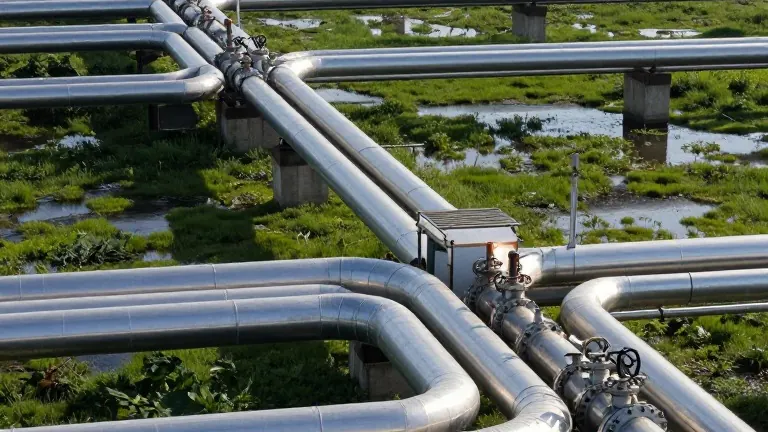
The construction of artificial intelligence infrastructure is driving a major expansion of fossil fuel pipelines in the United States.
A review of federal records by the Environmental Integrity Project identifies nearly 200 pipeline projects that are either proposed or under way. Together, these lines would add 17,000 miles (27,000km) to the existing network. The report attributes this surge to two primary factors: the need to power datacenters and the increased demand for natural gas exports fueled by the wars in Ukraine and Iran.
The growth in pipeline activity has accelerated over the past few years amid regulatory changes. The administration issued a memo in January stating it would refrain from taking enforcement action against companies that violate Pipeline and Hazardous Materials Safety Administration regulations. By 2025, the average number of initiated enforcement actions had halved, with only 117 recorded. The report indicates that more than 25 percent of the new projects have sought expedited environmental review. The administration is using tools such as the Defense Production Act to advance projects over state objections. In March, this act was used to restart the Santa Ynez oil pipeline in California, which had been shut down in 2015 after a spill damaged 150 miles (240km) of coastline.
The new infrastructure is designed to support energy-intensive digital operations. The pipelines could supply at least 98 gas-fired power plants proposed for datacenters. If all projects are completed, the network would move roughly 40 percent more natural gas per day than the current system carries. Most of the lines will transport gas across 42 states. Texas has the highest concentration with about 42 projects, followed by Louisiana with 27. Pennsylvania and Illinois each have nine.
Safety concerns have been raised by advocates and researchers. The United States currently averages about 1.7 pipeline accidents, spills, fires, or explosions each day. Alexandra Shaykevich, research manager with the Environmental Integrity Project, noted that the largest boom in decades coincides with deregulation. She stated that while pipelines usually operate safely, they can leak and explode, posing risks to communities. The report alleges that the administration is increasing accident risks by allowing companies to run pipelines at higher pressures in densely populated areas and by conducting fewer pressure tests.
Recent incidents illustrate the potential consequences of pipeline failures. In March 2023, a crack in a gas pipeline in West Reading, Pennsylvania, triggered an explosion at a chocolate factory that killed seven workers and injured 10 others. In October, two workers died in a pipeline explosion in New Mexico. The expansion also threatens federally protected wetlands. At least 81 of the new projects are expected to damage more than 19,000 acres (7,700 hectares) of such wetlands. This occurs while the administration seeks to strip 94 percent of federal wetland protections.
Local communities in southwest Louisiana face acute risks due to a dense concentration of pipelines serving export terminals along the Mississippi River. James Hiatt, executive director of For a Better Bayou, said the people living in these areas carry the risks while the profits go elsewhere.
More Business · World news · Business Watchdog · Report a business · Got a Story?