Cyprus leaders agree to new border crossings and cooperation
Greek and Turkish Cypriot leaders have reached a historic agreement to open new crossings and share resources, marking a significant step toward resuming peace talks on the divided island.
By Larissa Bell ·
Leaders from the Greek Cypriot and Turkish Cypriot communities have reached a significant agreement to open two new border crossings, coordinate emergency response efforts, and share archival materials. This development is part of a broader initiative supported by the United Nations aimed at reviving peace negotiations on the divided Mediterranean island.
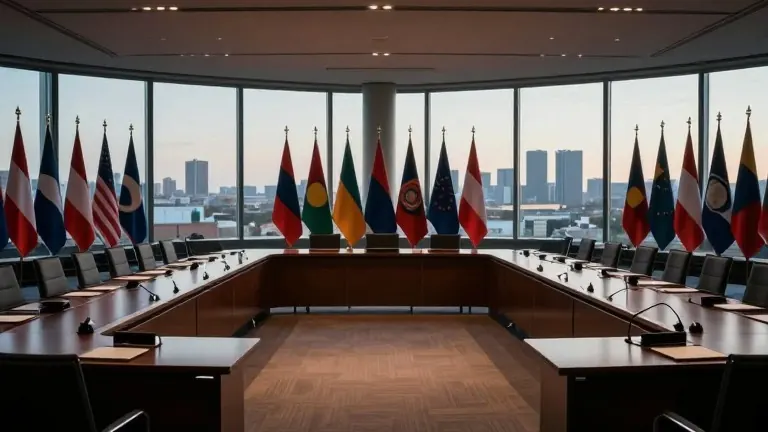
The accord was announced following a joint meeting between Greek Cypriot leader Nikos Christodoulides and Turkish Cypriot leader Tufan Erhurman. Both leaders met with United Nations special envoy Maria Angela Holguin on Monday within the UN-controlled buffer zone that physically separates the two communities. This meeting represents the first tangible sign of improved relations between the two sides after nearly ten years of diplomatic stagnation.
In a formal statement, the United Nations described the Monday meeting as positive. The organization noted that the two leaders intend to hold further discussions in the coming weeks. These future talks will take place in the presence of outgoing UN Secretary-General Antonio Guterres, who has been actively involved in mediating the conflict.
Speaking to reporters after the meeting, Christodoulides emphasized the urgency and seriousness of the current diplomatic push. He stated that the shared goal is to resume formal talks before the end of the secretary-general’s term, which concludes at the end of this year. His comments underscore the commitment of the Greek Cypriot leadership to making progress within the current timeframe.
Secretary-General Guterres initiated a new diplomatic drive in the summer to resolve the conflict, which has persisted for more than five decades. His strategy suggested that establishing new crossings could serve as a mechanism to build trust and confidence between the rival communities. However, the process has not been without friction, as the two sides have recently disagreed on the specific ground rules for conducting the peace talks.
According to media reports in Cyprus, this latest agreement will increase the total number of open crossings on the island to eleven. These crossings allow for the movement of people and goods between the northern and southern parts of the island, which have been separated since the conflict of 1974. The increase in access points is seen as a practical step toward normalizing daily life for residents on both sides.
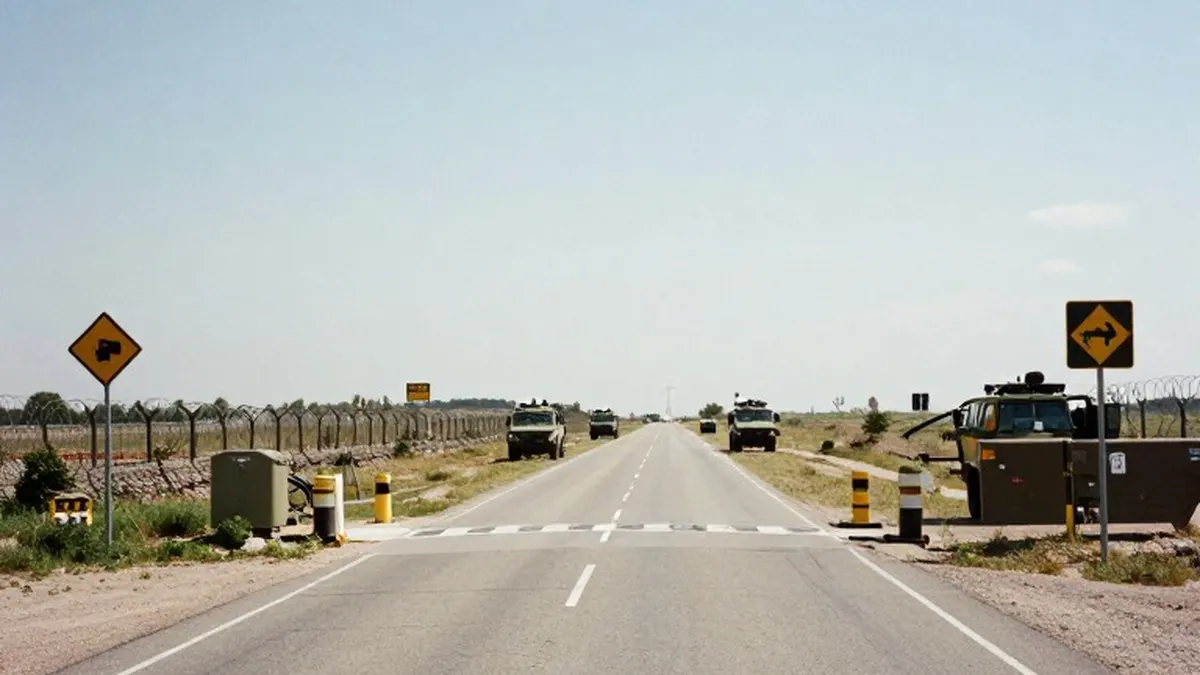
The island was divided in 1974 when Turkiye invaded and occupied the northern territory in response to a coup d'etat instigated by the then-military government in Greece. The division followed the collapse of a previous power-sharing administration in 1963. Since then, a UN Peacekeeping Force has monitored a 180-kilometer ceasefire line that separates the two communities, maintaining a fragile peace in the region.
Currently, Turkiye is the only country that recognizes the northern part of the island as an independent republic. Ankara maintains a significant military presence on the island, with more than 35,000 troops stationed there. This military footprint is a central point of contention in the ongoing negotiations, with Greek Cypriots generally opposing direct Turkish involvement and Turkish Cypriots viewing it as essential for their security.
Decades of negotiations have failed to achieve reunification, with the last official round of talks collapsing in 2017. The recent political shift in the north, where the election of a pro-unification leader last year generated renewed hope, has provided a new impetus for these diplomatic efforts. The current agreement on crossings and cooperation is seen as a foundational step in that renewed process.