US Prosecutors Link Slain Cartel Leader to Ryan Wedding's Drug Network
Federal officials reveal that a Mexican cartel boss killed last week helped Olympic silver medalist Ryan Wedding move drugs and evade capture for two years.
By Larissa Bell ·
The U.S. Department of Justice announced on Tuesday that Edgar Aaron Vazquez Alvarado, a cartel leader shot dead by Mexican police last week, played a critical role in assisting Olympic medalist Ryan Wedding in trafficking narcotics and avoiding arrest. The revelation was detailed in an indictment unsealed by federal prosecutors, which outlines how Vazquez, known by the alias El General, supported Wedding’s criminal operations during January 2026.
According to the federal case, Vazquez trafficked cocaine on behalf of Wedding’s enterprise. He also provided the organization with rotating code words that changed near daily. These codes were used to ensure safe passage through various law enforcement checkpoints. Additionally, the 42 year old leader allegedly paid Mexican public officials to slow down criminal investigations, tamper with evidence, and dismiss filed charges.
Vazquez’s assistance extended to helping Wedding personally evade U.S. law enforcement for a period of two years. The Justice Department stated that this support was essential to keeping the former Olympian out of custody. Vazquez was the founder of El Cártel Nuevo Imperio, a criminal organization based in Mexico City.
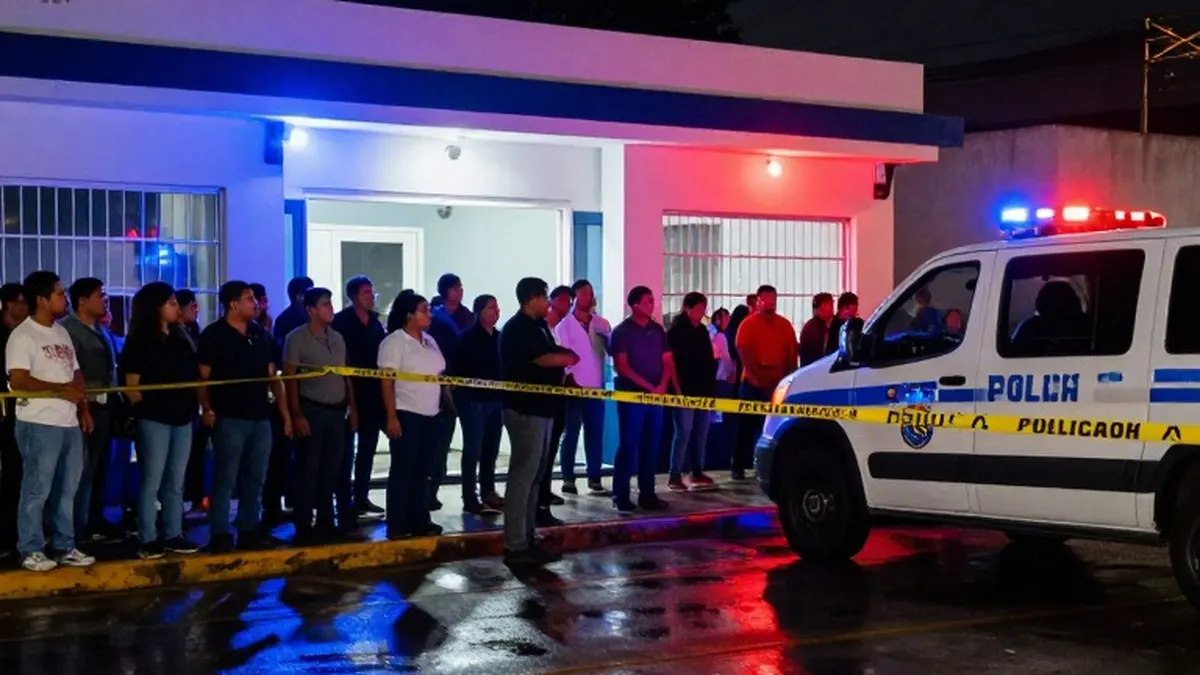
Mexican security forces shot and killed Vazquez in Naucalpan, Mexico, while attempting to serve an arrest warrant. Mexico’s Security Minister, Omar García Harfuch, stated that Vazquez fired on the security forces during the operation. Harfuch also noted that Vazquez was responsible for the death of a Mexico City police chief.
In a related announcement, the U.S. Justice Department issued a six count federal indictment against Roberto Gomez, a 51 year old U.S. citizen and gang member residing in Mexico. Prosecutors allege that Gomez has served as a drug supplier to international criminal organizations, including Wedding’s, for the past decade.
Gomez is accused of transporting cocaine, methamphetamine, and fentanyl from Central America to Mexico using planes and maritime vessels. He then used land based methods to move these substances into the United States and Canada. Among his alleged activities was an attempt to broker the sale of 1,000 pounds of methamphetamine between a supplier and Wedding, a deal valued at approximately $550,000.
Between 2024 and 2026, Gomez allegedly helped Wedding avoid apprehension by U.S. authorities. The department cited his connections with cartels, including the powerful Sinaloa Cartel, as well as relationships with individuals who had access to sensitive law enforcement information from both Mexican and U.S. agencies. These connections allowed him to obtain details about ongoing law enforcement operations.
If convicted on all counts, Gomez faces a mandatory minimum sentence of 10 years in federal prison and a maximum sentence of life. The United States has made significant progress in investigating Wedding’s international drug trafficking network, which allegedly operated as part of the Sinaloa Cartel.
A Mexican judge recently charged a former official with taking bribes to free an accused drug trafficker linked to Wedding. FBI Director Kash Patel has referred to the former Olympian as a modern day figure in the criminal underworld. Wedding was placed on the FBI’s list before his arrest and currently faces 17 felony charges across two indictments, including drug trafficking and murder.
The Justice Department confirmed that Wedding will remain in U.S. custody without bond as the case moves forward.