Google halts Finnish AI construction after wolf intrusion
Unauthorized forest clearing for data centers has displaced local wildlife, prompting regulators to stop work and forcing displaced wolves into nearby communities.
By Khalid Rahman ·
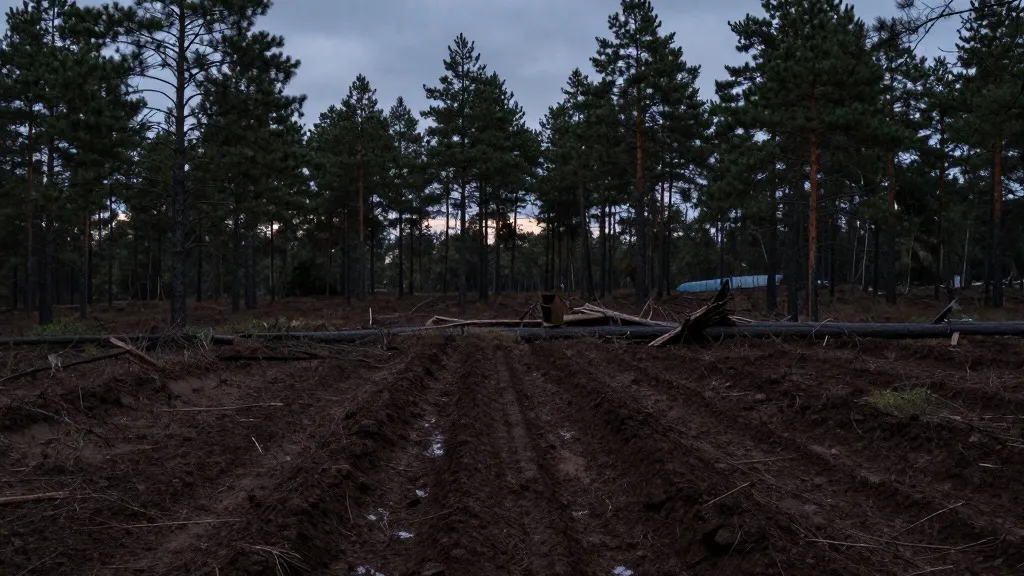
The Finnish Licensing and Supervision Authority has ordered Google to cease construction activities in two distinct regions, a regulatory pivot triggered by the displacement of local wolf packs into residential areas. The stop-work orders apply to sites near Muhos and Otanmäki, where the tech giant has been developing infrastructure for its artificial intelligence initiatives. This intervention marks a significant escalation in the friction between major AI developers and European environmental regulators, with the core issue now extending beyond land use to direct impacts on public safety and local ecology.
The timeline of this dispute began when Google initiated clearing operations for new data centers. In the Muhos area, the project has resulted in the transformation of approximately 816 acres of forest into a large expanse of mud. A separate site, located 55 miles southeast of Otanmäki, has seen roughly 500 acres of forest cleared. These actions were taken without full authorization, leading to a rapid deterioration of the local habitat. The Finnish Association for Nature Conservation has characterized Google’s adherence to environmental policy as unprecedented in its failure, a sentiment shared by the licensing authority.
The immediate consequence of this habitat loss has been the migration of wild animals, specifically wolves, into neighboring villages. Anni Ranta, 53, a resident of Otanmäki whose family has lived there for generations, noted that the displacement was direct: "We had wolves coming into the village because all the wild animals moved out of the forest." Ranta also expressed broader geopolitical concerns, fearing that the presence of U.S.-owned data centers could make Finland a more attractive target for Russian aggression. Other locals have reported additional side effects, including increased construction noise, brown discoloration of streams, and the expulsion of rare bird species.
In response to the regulatory orders, Google’s Finland country manager issued an apology for the unauthorized clearings. A company spokesperson stated, "We will fully comply with LVV’s requests in this matter," adding that the firm looks forward to maintaining an open dialogue with authorities to strengthen its partnership with Finland. This upbeat tone suggests the company is banking on the long-term economic benefits of its AI infrastructure to maintain goodwill with regulators and local stakeholders despite the recent setbacks.
The situation in Finland mirrors a broader pattern observed in the United States and other countries, where AI data center development frequently clashes with environmental concerns. However, the scale of the unauthorized clearing here has drawn sharper criticism from both environmentalists and residents who are not typically part of the environmental advocacy movement. The stop-work order provides a pause in construction, but the financial and ecological remediation costs remain a point of contention as the company works to restore the relationship with local communities.
Going forward, the focus will shift to the pace of remediation and the resumption of compliant work. Google must navigate the expectations of the LVV while managing the heightened scrutiny from a community that now views the data centers through a lens of both economic opportunity and environmental risk. The next phase will likely involve detailed negotiations on how to proceed with the build, ensuring that the promised business benefits are realized without further disrupting the local ecosystem or public safety.
Source: Tom's Hardware