Genetically Modified War Dogs Enter Service
A new startup backed by $200 million aims to clone and engineer military working dogs to improve health and performance.
By Valentina Cruz ·
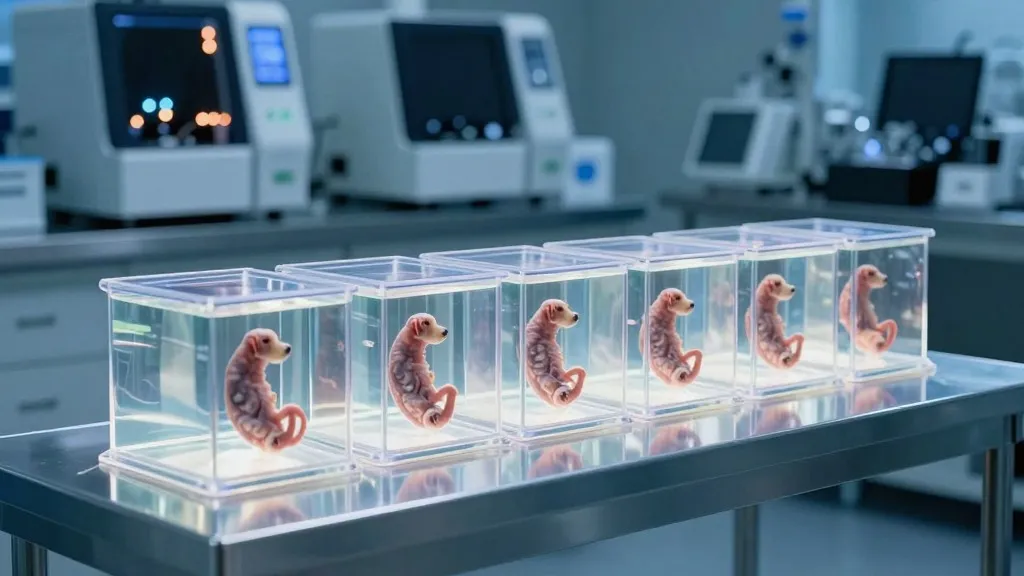
A $200 million funding round has officially pulled the curtain on Warhound, a stealth startup dedicated to genetically engineering war dogs for the U.S. military and law enforcement. The new company, which emerged from the shadows on Thursday, has secured backing from major investors including Sequoia, 8VC, Corner Ventures, and In-Q-Tel, a venture firm supported by U.S. intelligence agencies. This investment values the company at $1.2 billion, signaling a significant shift in how defense contractors approach biological assets.
The core premise of Warhound is to address a critical gap in the supply chain for working dogs. According to the company’s launch announcement, more than 80% of the U.S. military’s current working dogs are sourced from Europe, and fewer than half of those are deemed fit for service. This reliance on foreign breeding programs creates a vulnerability that Warhound intends to fix by creating a domestic supply of dogs specifically tailored for demanding missions.
The technology behind this initiative comes from Colossal Biosciences, a firm known for its work in de-extinction, such as efforts to revive the mammoth and dodo. Ben Lamm, a leader at Colossal, partnered with Anduril’s Palmer Luckey to develop this new venture. Lamm explained that he and Luckey connected about a year ago at a conference, where Luckey expressed a desire to see more innovation in the field of military working dogs. This conversation led Lamm to research the breeding practices of current working dogs, revealing that many fail to complete training due to inherited issues like poor eyesight, cancer risks, hip dysplasia, or muscle atrophy.
Warhound’s approach involves taking cell lines from top-performing breeds, such as the Belgian Malinois and German Shepherd, and placing them in a biobank. From there, the team plans to edit the dogs' genes, removing traits that hinder performance and adding those that enhance it. The goal is to create a new type of dog that is not only more resilient but also better equipped for specific tasks like bomb detection and search operations. Lamm described the process as enhancing health, longevity, and specific physical traits like speed, agility, and olfactory sensitivity.
While Colossal handles the genetic engineering, Anduril will provide the technological hardware and software to support the dogs in the field. This includes protective gear like vests and goggles designed to improve situational awareness. Lamm illustrated this by describing bulletproof vests equipped with data sensors that transmit real-time information to handlers. He emphasized that these technological additions work in tandem with the genetic enhancements, making the dogs safer and more effective without altering their internal biology beyond the genetic level.
The first batch of these engineered dogs is currently in the cloning and incubation phase. With births expected early next year, the company aims to have these animals entering service within two years. Viagen, another company owned by Colossal, will handle the cloning process, leveraging technology that has a high success rate and is already used in Colossal’s programs to protect endangered species. This collaboration ensures that the biological foundation of the new dogs is as robust as their genetic modifications.
Warhound has not yet disclosed the pricing for its dogs, but it anticipates selling to a wide range of clients, including first responders, the Department of Defense, military service groups, and police forces. Regarding regulatory hurdles, Lamm noted that the company has already briefed numerous government groups on its business model. He also addressed concerns about civilian safety, stating that each dog will undergo standard military working dog training and will be managed by the purchasing agency.
To address ethical and welfare concerns, Warhound is working under the guidance of the American Humane Society. The organization is helping to certify the training program for the new dogs. The American Humane Society stated in a comment that it applauds Warhound and Colossal for inviting a national humane organization grounded in science and ethics to the table. The partnership also includes a plan for retired dogs to enter the Society’s Military Working Dog Reunification Program, which provides homes for animals that have finished their service.
This development marks a significant step in the intersection of biotechnology and defense. By combining advanced gene editing with cutting-edge hardware, Warhound aims to solve a long-standing logistical challenge for U.S. forces. The project represents a new frontier in military procurement, where biological assets are no longer just bred but engineered for specific operational needs.
Source: TechCrunch