Analyst sees parallels between Israel's political climate and the January 6 Capitol riot
A media analyst warns that recent actions by Israeli Prime Minister Benjamin Netanyahu and his supporters resemble strategies used in the United States, raising fears of potential unrest at the Knesset.
By Hiroshi Ferrari ·
A new audio briefing from The Times of Israel has highlighted growing concerns about the political stability in Israel, drawing striking comparisons to the events surrounding the United States Capitol riot in 2021. The episode, hosted by Amanda Borschel-Dan, features analyst Ben Sales, who previously covered the January 6, 2021, incident in Washington. Sales argues that there are significant echoes of the so-called "Trump playbook" in the actions taken by Israeli Prime Minister Benjamin Netanyahu and his base since the national election held on October 27.
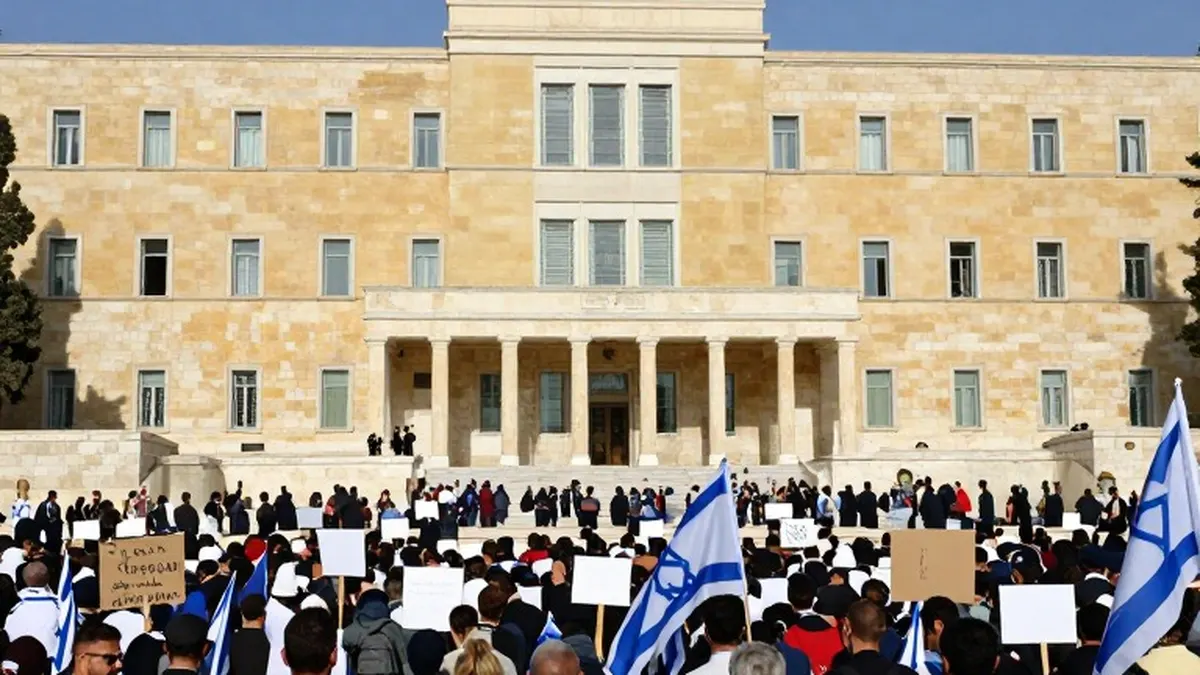
The discussion centers on whether current demonstrations, specifically the right-wing rally scheduled for the day outside the Knesset, could escalate into violence. Sales examines the lead-up to the historic U.S. riot and contrasts it with the current state of play in Israel. He suggests that the political dynamics and the behavior of key figures in Israel mirror the tensions that preceded the storming of the Capitol, prompting questions about the potential for similar unrest in the Israeli parliament.
A significant portion of the analysis focuses on the role of the media in both countries. Sales posits that media outlets in the United States and Israel may share responsibility for inflaming the situation. He explores how coverage and framing of political events can contribute to a charged atmosphere, potentially leading to more volatile outcomes during public gatherings. This perspective adds a layer of complexity to the understanding of how public sentiment is shaped in both political environments.
To provide historical context, the briefing also touches on a precedent within Israel's own history. Sales notes that rioters have previously stormed the Knesset, specifically referencing an incident that occurred in 1952. This historical reference serves to illustrate that the Israeli parliament is not immune to physical disruption, and it underscores the potential severity of current fears regarding the safety and order of the legislative body.
The episode is part of a broader daily audio update that covers developments in Israel, the Middle East, and the wider Jewish world. Designed as a concise twenty-minute listening experience, the briefing aims to keep listeners informed about key political and social shifts. The inclusion of expert analysis by Sales, a journalist with firsthand experience of the U.S. Capitol events, lends weight to the arguments presented regarding the current Israeli political landscape.
Listeners are encouraged to watch the full episode through the outlet's digital platforms. The production team, led by producer Ari Schlacht, has curated this content to offer deep insights into the ongoing political narrative. The analysis is timely, arriving on the eve of a significant public demonstration, which has heightened interest in how the day's events might unfold.
The Times of Israel also promoted its Community subscription model during the briefing, offering members access to ad-free content, documentary series, and commenting privileges. While this is a standard promotional element, it underscores the outlet's strategy to engage its audience with deeper, subscription-based content that complements its daily news updates.
The focus on the "Trump playbook" suggests a transfer of political tactics and rhetorical strategies from the American to the Israeli context. Sales does not claim the situations are identical but highlights specific steps taken by Netanyahu and his supporters that he believes are analogous to those observed in the U.S. political sphere. This comparative approach allows international observers to better understand the potential risks and patterns at play in Israel's current political crisis.
The mention of the media's role is particularly noteworthy, as it shifts some of the scrutiny away from just the political actors and toward the institutions that report on them. By identifying potential media responsibility for inflaming tensions, the briefing invites a broader conversation about the ecosystem of information and its impact on public behavior during times of political uncertainty.
As the right-wing rally proceeds, the insights provided by Sales offer a framework for interpreting the events. Whether or not the rally turns violent, the perception of risk and the historical parallels drawn in the briefing are likely to influence both domestic and international reactions to the day's developments in Israel.