Belgian Parliament Approves Controversial Law Allowing Forced Home Raids for Immigration Enforcement
Rights groups warn that new legislation permitting police to enter homes without consent to remove undocumented residents marks a significant shift in European immigration policy.
By Larissa Bell ·
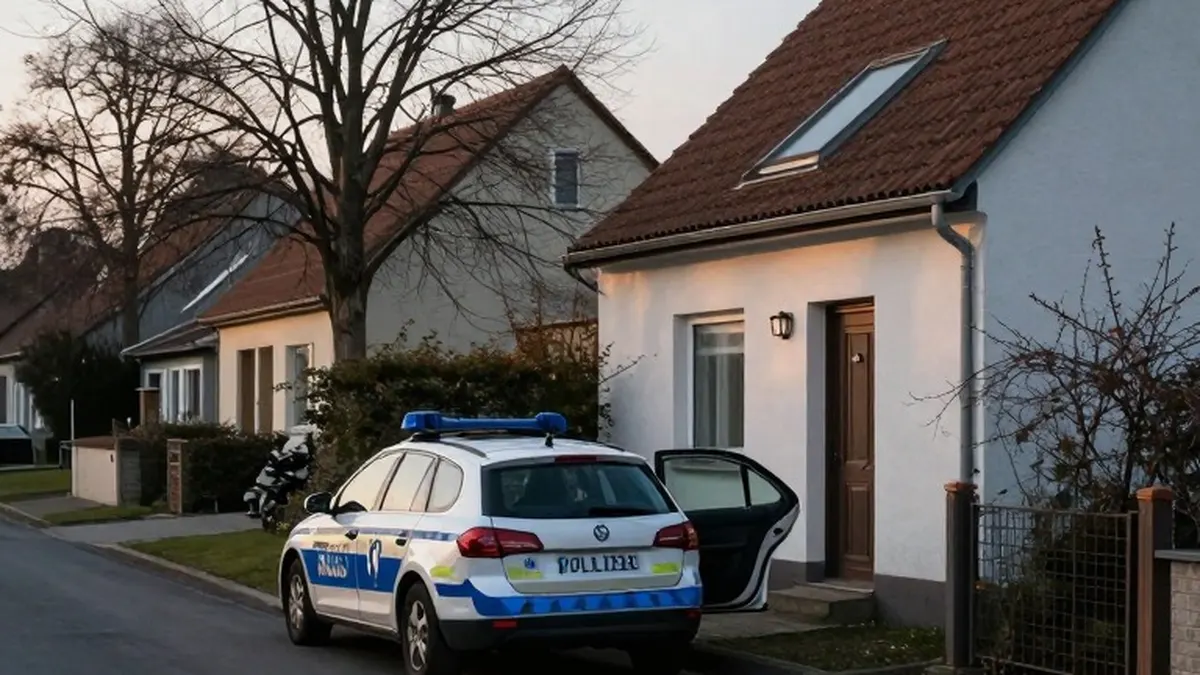
Belgian members of parliament approved a contentious new law last Friday that grants authorities the power to forcibly enter private residences to remove undocumented individuals. The legislation, which is scheduled to take effect next spring, has drawn sharp criticism from human rights campaigners who compare the measures to the aggressive immigration crackdowns seen in the United States under the administration of Donald Trump.
The bill was introduced by the ruling right-leaning coalition to increase the rate of expulsions for those who have been denied the right to remain in the country. Following months of intense public debate, more than sixty protests were held across Belgium in the days leading up to the vote. These demonstrations added to the vocal opposition from non-governmental organizations, judges, and legal associations who argued that the measures would significantly alter the relationship between the state and private citizens.
Under the new rules, the Belgian immigration office can request an investigating judge to authorize entry into homes believed to be sheltering people without legal status. This includes residences where migrants are staying with friends or family. Once a warrant is issued, police officers will be permitted to enter these properties without the resident's consent between the hours of 5:00 a.m. and 9:00 p.m. During these visits, officers may detain individuals and search for identity documents, potentially in the presence of children.
Carine Thibaut, the director of Amnesty International’s French-speaking Belgian section, described the legislation as a law of fear. She emphasized the psychological impact such raids could have on children and on hosts who have opened their doors to migrants. Thibaut stated that the law disseminates fear throughout the community, challenging the traditional sanctity of the home.
Government officials maintain that the measures are targeted at specific groups, including those who have been denied asylum, ignored departure orders, or pose a threat to public order and national security. However, critics argue that the definition of a public threat is too vague. They point to previous cases where terms like public threat were applied to individuals who had engaged in undeclared work, run red lights, or committed shoplifting, leaving the final decision to individual judges.
Amnesty International has noted that judges under this law will have limited investigative powers, restricting who they can consult for additional information. Furthermore, the legislation does not provide a clear mechanism for individuals to appeal or challenge administrative decisions. Thibaut countered the government's focus on criminals by noting that existing tools in the normal justice system already allow for the handling of such cases.
A coalition of twenty rights groups issued a joint warning that the law conflates a lack of legal status with delinquency. They affirmed that the inviolability of the home is a constitutional principle that should not depend on the administrative status of its occupants. Chiara Catelli, an advocacy officer with the Brussels-based Platform for International Cooperation on Undocumented Migrants, echoed these sentiments, stating that the process is administrative rather than criminal.
Catelli highlighted the devastating consequences of similar home raids in the United States, where such tactics have been known to fuel fear and tear families apart. She expressed alarm at an EU member state moving in this direction, noting that hardline measures are already present in countries like the Netherlands and Germany. With the EU’s recently approved returns regulation including similar provisions, there is a growing concern that other member states may adopt comparable policies soon.
Thibaut warned that these measures could gradually erode the rights of all citizens. She described the law as the beginning of a reduction in the rule of law and respect for human rights. She cautioned that if the state can enter homes for people without papers today, it could do so for other groups in the future, slowly dismantling a society based on justice and the separation of powers.