AI datacentre developers plan 181GW of on-site gas power as grid connections lag
BloombergNEF research warns that plans to power AI datacentres with their own gas plants could create lasting dependence on fossil fuels.
By Hiroshi Ferrari ·
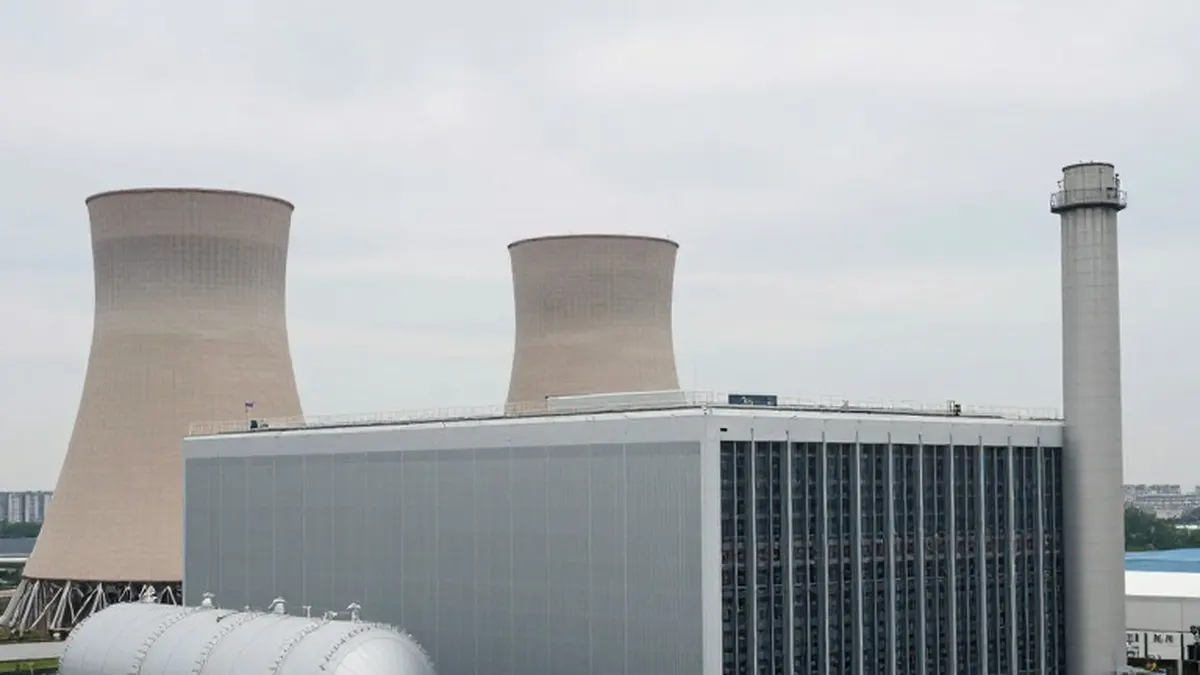
Developers of AI datacentres across the US, UK and mainland Europe are proposing on-site gas power stations with a combined capacity of 181GW, according to BloombergNEF research. The projects aim to overcome delays in connecting to electricity grids, but their planned capacity is almost four times Great Britain’s total peak electricity demand.
The US accounts for 90% of the planned on-site gas power stations. If the proposed rollout proceeds, the research estimates that these US facilities would produce about 345m metric tonnes of carbon dioxide equivalent annually. That would match the yearly greenhouse gas emissions of approximately 72.8m fossil fuel cars.
The report was released on Wednesday, November 11, as world leaders gathered in Turkey for Cop31, the UN climate summit. Expanding electrification, ideally using clean energy, is central to those discussions. Several leading European figures, including leaders from France and Germany, will instead travel to Dublin for the EU’s first dedicated AI summit on Friday.
BloombergNEF forecasts that electricity demand from AI datacentres will nearly quadruple by 2035, reaching 2,354 terawatt-hours, equivalent to 7% of global electricity demand. The facilities require substantial power to operate servers, cool equipment and run other systems. Mark Daly, BloombergNEF’s head of datacentres and emerging tech, said the economics of AI had made securing power quickly a major priority for developers.
Daly said developers described their proposed gas supplies as temporary arrangements while awaiting grid access. However, once the plants were operating, financial incentives could encourage continued generation, leaving facilities dependent on fossil fuels for longer. He said the climate consequences would depend both on how quickly grids connected new datacentres and whether cleaner generation expanded alongside demand. The report identified faster grid connections as crucial to limiting emissions and the risk of prolonged fossil fuel use.
In the UK, proposed datacentres made more than 100 inquiries about gas connections during 2024 and 2025 because of electricity grid delays, according to Future Energy Networks, which represents UK gas networks. Wapseys Wood in Buckinghamshire and Quest Park in Bedfordshire are among the developments seeking their own gas power stations.
Those two datacentres are also among the first to enter the government’s fast-track regime for nationally significant infrastructure projects, which bypasses locally elected planning authorities. Chancellor John Healey has backed temporary on-site fossil fuel power stations for datacentres awaiting grid connections through a datacentre covenant.
Oliver Hayes, head of policy and campaigns at Global Action Plan, criticised that backing, saying private gas plants for datacentres were incompatible with serious climate action. He challenged the claim that the stations would be temporary and warned that building them would entrench high emissions for years.